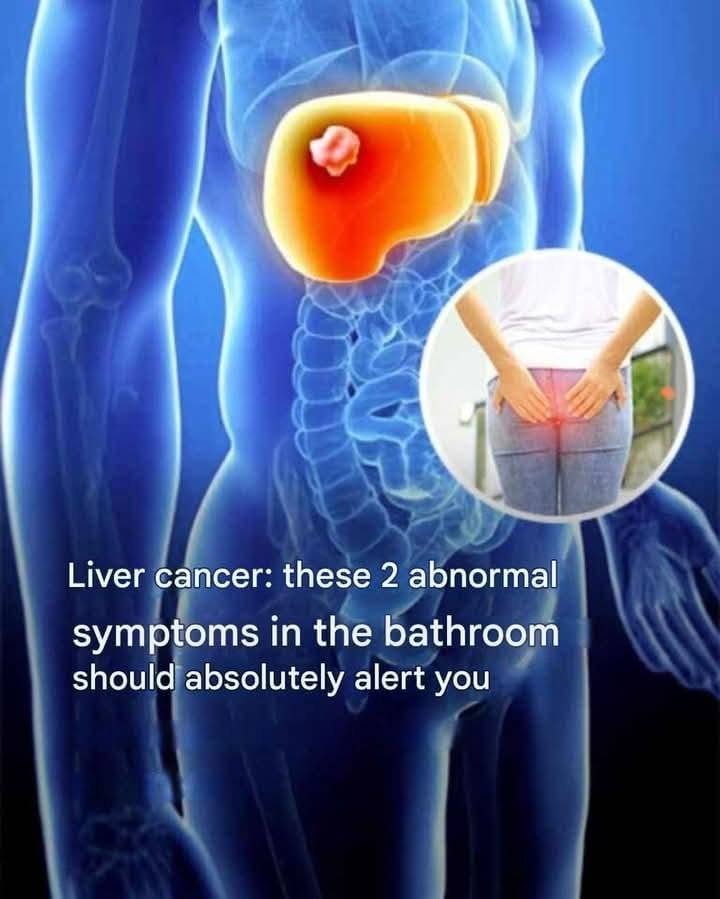
Liver cancer—most commonly hepatocellular carcinoma (HCC) when originating in the liver, or secondary metastatic liver cancer—is often referred to by oncologists as a “silent disease.”
In its early stages, liver cancer rarely produces noticeable warning signs because the liver is a large organ capable of functioning even when a portion is damaged. By the time symptoms become obvious, the disease is frequently advanced.
Key Symptoms of Liver Cancer
When symptoms do develop, they reflect either impaired liver function, physical pressure from a growing tumor, or systemic inflammatory effects on the body:
1. Abdominal Pain & Swelling
-
Right Upper Quadrant Pain: A persistent ache, heaviness, or sharp pain in the upper right side of the abdomen (just below the rib cage), which can sometimes radiate to the right shoulder blade due to nerve pathways.
-
Abdominal Swelling (Ascites): Fluid accumulation in the abdomen caused by high pressure in the liver’s blood vessels (portal hypertension) and low blood protein levels.
2. Jaundice (Yellowing of Skin & Eyes)
-
Mechanism: When a tumor obstructs the bile ducts or severely impairs the liver’s ability to process bilirubin (a byproduct of red blood cell breakdown), bilirubin builds up in the bloodstream.
-
Manifestations: Yellowing of the whites of the eyes (sclera) and skin, accompanied by dark, tea-colored urine and pale or clay-colored stools.
3. Unexplained Weight Loss & Loss of Appetite
-
Rapid, unintentional weight loss occurs as cancer cells alter metabolism.
-
Early Satiety: Feeling abnormally full after eating only a small amount of food, caused by the enlarged liver pressing directly against the stomach.
4. Severe Fatigue & Systemic Weakness
-
Persistent, debilitating fatigue that does not improve with rest, often linked to the liver’s declining ability to store and release glucose for energy and synthesize vital proteins.
5. Persistent Itching (Pruritus)
-
Intense, generalized skin itching caused by bile salts depositing under the skin when normal bile flow is blocked.
6. Easy Bruising & Bleeding
-
The liver synthesizes clotting factors necessary for blood coagulation. Advanced liver dysfunction leads to frequent nosebleeds, bleeding gums, or easy bruising under the skin.
Primary Risk Factors for Liver Cancer
Primary liver cancer rarely occurs in a completely healthy liver. It most often develops in individuals with underlying liver damage or chronic inflammation:
-
Chronic Hepatitis B or C Infection: The leading global risk factors for hepatocellular carcinoma.
-
Cirrhosis: Progressive scarring of the liver tissue from chronic alcohol consumption, hepatitis, or metabolic dysfunction.
-
Metabolic Dysfunction-Associated Steatohepatitis (MASH / NASH): Fatty liver disease linked to obesity, Type 2 diabetes, and high cholesterol.
-
Aflatoxin Exposure: Ingestion of toxins produced by mold (Aspergillus) on improperly stored crops like peanuts or grains.
Symptom Summary Checklist
| Symptom Category | Specific Clinical Signs |
| Gastrointestinal | Loss of appetite, early fullness, nausea, vomiting, pale stools. |
| Abdominal | Right-side upper abdominal pain, palpable mass, abdominal swelling (ascites). |
| Dermatological / Visual | Jaundice (yellow eyes/skin), severe itching, easy bruising. |
| Systemic | Unexplained weight loss, chronic fatigue, dark urine. |
Importance of Early Screening
For individuals with high-risk conditions—especially those with known cirrhosis or chronic Hepatitis B/C—medical guidelines recommend regular surveillance every 6 months using:
-
Abdominal Ultrasound: To detect small liver nodules before symptoms appear.
-
Alpha-Fetoprotein (AFP) Blood Test: A tumor marker in the blood that often rises in the presence of hepatocellular carcinoma.
