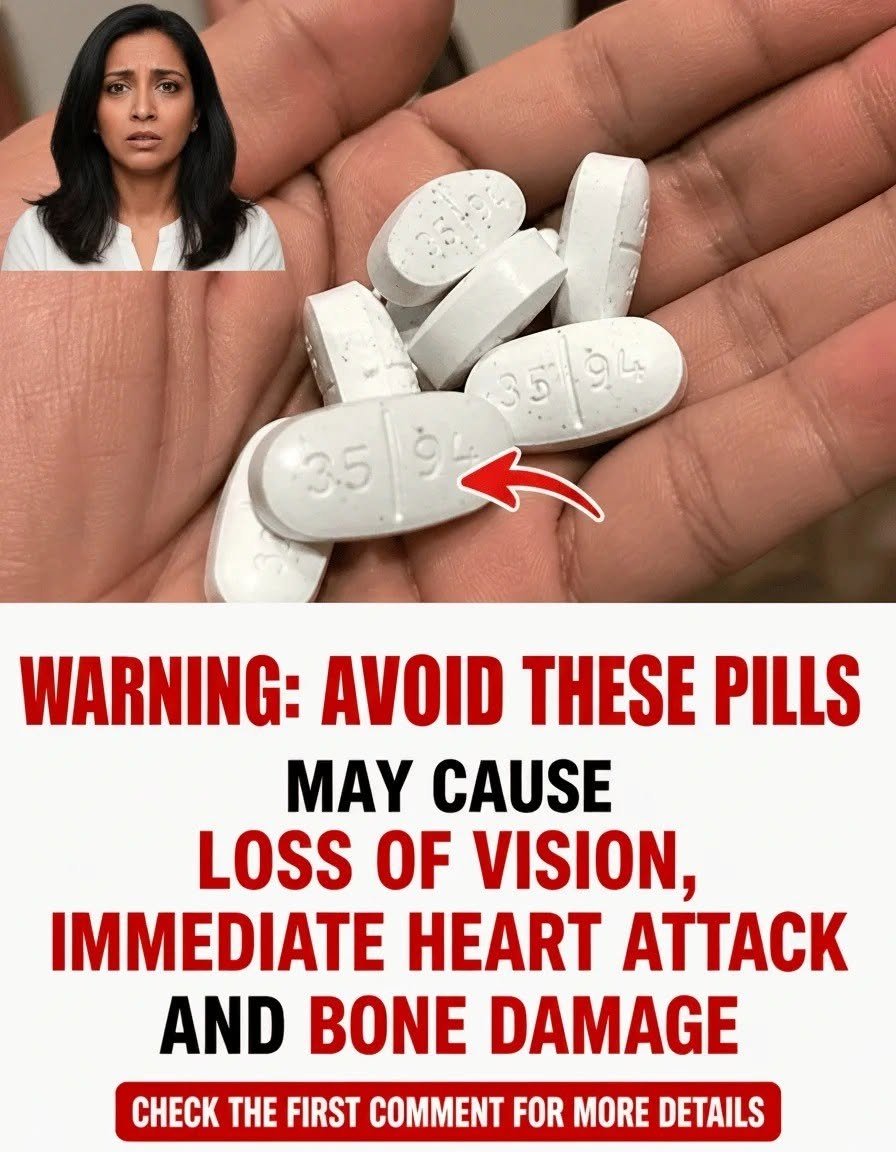
Cutting Through the Clot-Risk Clickbait
Headlines warning that “your everyday pills are hiding a dangerous blood clot risk” are textbook fear-mongering designed to spark instant panic and drive web traffic. By using vague terms like “everyday pills,” these ads prey on the widespread use of common over-the-counter medications and daily vitamins, leaving readers anxious about routine health habits.
In medical science, the relationship between medications, supplements, and blood clots (thrombosis) is specific, well-studied, and entirely dependent on exact chemical compounds, dosages, and individual risk factors—never a hidden, blanket danger lurking in random daily routines.
The Real Science Behind Medication and Clot Risks
When pharmacologists and cardiologists evaluate the risk of blood clots related to pills, they look at distinct categories:
-
Hormone-Based Medications (e.g., Oral Contraceptives and HRT):
-
The reality: Estrogen-containing birth control pills and certain hormone replacement therapies are well-documented to slightly increase the risk of blood clots (such as deep vein thrombosis). This happens because estrogen alters clotting factors in the blood.
-
Context: Doctors weigh this known risk against a patient’s age, smoking status, and personal medical history when prescribing them. It is never a “hidden” risk; it is a heavily monitored medical profile.
-
-
High-Dose NSAIDs (Pain Relievers):
-
The reality: Regular, high-dose use of certain nonsteroidal anti-inflammatory drugs (like ibuprofen or diclofenac) can sometimes be associated with cardiovascular events in high-risk patients over time.
-
Context: Occasional use for a headache or muscle ache does not carry these systemic vascular risks for healthy individuals.
-
-
Common Supplements and Coagulation:
-
The reality: Certain herbal supplements or megadoses of specific nutrients (like extremely high amounts of Vitamin E or K) can interact with blood clotting or interfere with anticoagulant medications like warfarin.
-
Context: Standard multivitamins do not independently cause dangerous blood clots.
-
Why Fear-Based Health Headlines Fail
-
Absence of Specificity: Real medical warnings name the exact drug class, dosage threshold, and patient demographic (e.g., smokers over 35 taking specific hormones). Clickbait relies on terrorizing general terms like “everyday pills” so that everyone feels personally threatened.
-
Ignoring Medical Supervision: Medications that carry clot risks are prescription-only precisely because physicians must evaluate whether the benefits outweigh potential side effects for your unique body.
Safety Reminder: Never discontinue prescribed medications or daily regimens out of fear generated by online pop-ups or sensationalized videos. If you have concerns about side effects or your personal risk for blood clotting (especially if you have a family history or upcoming surgery), consult your primary care doctor or pharmacist.
Are you looking into the side effects of a specific medication, or did a sensational online ad catch your eye?
