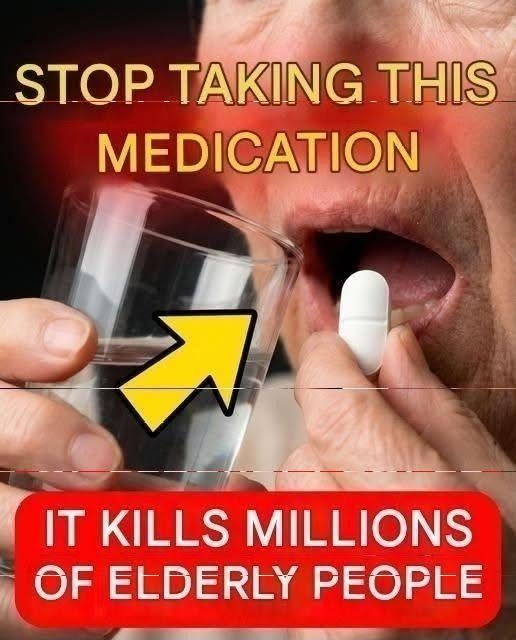
That headline is a prime example of pharmaceutical fear-mongering. It weaponizes medical credentials—using a faceless “cardiologist warns”—to cast suspicion on common, life-saving prescriptions, terrifying older adults into thinking their necessary medications are secretly setting them up for a heart attack or stroke.
In clinical reality, geriatric cardiology is built on a careful balance of risk and benefit. While certain medications do carry cardiovascular considerations or require careful monitoring in older populations, they are prescribed because the risk of not treating the underlying condition is vastly more dangerous.
Here is the un-sensationalized medical reality behind how medications, aging, and cardiovascular risk interact:
1. The Context: Why Older Adults Require Careful Medication Management
As we age, our bodies process drugs differently due to changes in kidney function, liver metabolism, and body composition.
-
Polypharmacy: Older adults are more likely to take multiple medications for different conditions. This increases the potential for drug-drug interactions, which is why geriatricians and cardiologists constantly review medication lists.
-
Risk vs. Benefit: Every medication has a side effect profile. A drug might carry a theoretical or minor increased risk for a specific population, but if it controls severe high blood pressure, prevents blood clots, or manages chronic heart failure, the alternative (untreated disease) carries a much higher, immediate danger of a heart attack or stroke.
2. Deconstructing the “Hidden Danger” Myth
Internet articles love to publish blanket warnings about entire classes of drugs without context, creating panic. In clinical medicine, medications are evaluated individually:
-
Nonsteroidal Anti-Inflammatory Drugs (NSAIDs): Drugs like ibuprofen, naproxen, or certain prescription-strength options are frequently flagged for cardiovascular risk. Regular, long-term use of traditional NSAIDs can elevate blood pressure and slightly increase cardiovascular events in older patients, which is why doctors prefer alternatives or limit their use for chronic pain.
-
Certain Hormonal or Neurological Medications: Specific classes of drugs can impact heart rhythms or blood pressure, but they are prescribed only after a rigorous risk assessment by a physician who knows the patient’s specific health history.
-
The Danger of Stopping Cold Turkey: The most hazardous part of these sensationalized articles is that a frightened reader might unilaterally stop taking a prescribed medication (like a blood pressure medication or anti-inflammatory management plan) out of fear, which can trigger a dangerous rebound effect or medical emergency.
3. The Clinical Standard: Personalization Over Broad Warnings
Cardiologists do not issue one-size-fits-all condemnations of standard medicines; they practice personalized medicine:
-
Comprehensive Medication Reviews: Regularly reviewing your complete medication list with your primary care doctor, cardiologist, or geriatric pharmacist ensures that every pill you take is still necessary, safe, and dosed correctly for your current age and kidney function.
-
Open Communication: If a headline or social media post makes you question a medication you are taking, the safest and only medically sound step is to talk directly to your prescribing doctor—never discontinue a medication based on internet advice.
药品 > The Takeaway: Medications are prescribed to protect your health, not sabotage it. While older adults require careful monitoring to avoid adverse interactions, broad internet warnings about “dangerous drugs” ignore the life-saving necessity of proper medical treatment.
Did a scary pharmaceutical headline catch your eye while you were looking up medication safety, or are you just keeping an eye out for more medical alarmism?
