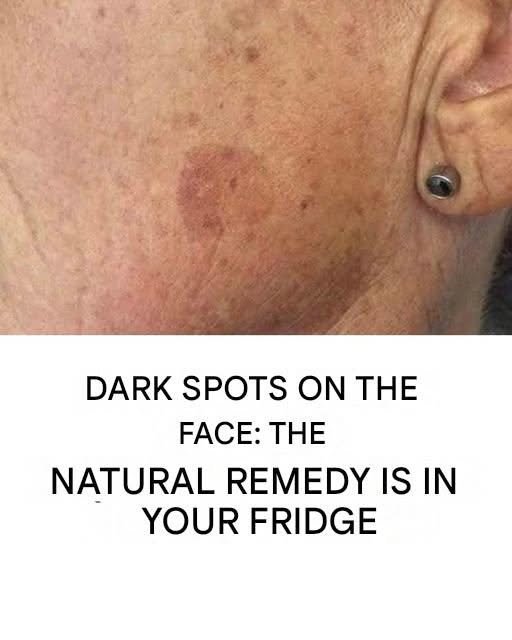
That classic skincare clickbait hook—“Add it to your cream and blemishes on your face will be a distant memory”—promises the ultimate holy grail: an effortless, single-ingredient hack that magically erases acne, hyperpigmentation, and texture overnight. Whether the mysterious “it” in the video is lemon juice, baking soda, crushed aspirin, toothpaste, or some essential oil, these hacks turn a complex biological organ into a quick-fix project.
When you strip away the blurred, heavily filtered “before-and-after” shots and look at what dermatologists and cosmetic chemists actually evaluate, mixing unapproved kitchen ingredients into your skincare cream doesn’t cure blemishes—it often damages your skin barrier and makes them far worse.
Here is what is happening scientifically on the surface of your skin, why DIY “add-in” hacks usually fail, and what actually treats blemishes:
The Reality Behind DIY Cream “Add-Ins”
-
Formulation Chemistry and Stability:
-
The Chemistry: Commercial creams and lotions are precisely balanced emulsions of water, oil, emulsifiers, and preservatives designed to maintain a specific pH. When you dump raw household ingredients (like citric acid from lemon juice, alkaline baking soda, or raw plant extracts) into a cream, you destabilize the formula. This can ruin the preservatives, allowing bacteria to grow, or turn the product so acidic or alkaline that it causes chemical burns.
-
-
The Micro-Tear and Contact Dermatitis Trap:
-
The Mechanism: Many viral add-ins act as harsh irritants or abrasive exfoliants. When applied to already inflamed acne or delicate skin, they cause contact dermatitis—leading to severe redness, peeling, and a compromised skin barrier. A damaged barrier lets in more acne-causing bacteria (Cutibacterium acnes) and triggers post-inflammatory hyperpigmentation (dark spots), making the very blemishes you were trying to erase much darker and longer-lasting.
-
What Actually Treats Facial Blemishes (The Clinical Reality)
Dermatology doesn’t rely on mysterious kitchen add-ins; it uses clinically proven, stable active ingredients targeted at specific skin mechanisms:
-
Salicylic Acid (BHA): Oil-soluble acid that penetrates deep into pores to dissolve trapped sebum and dead skin cells.
-
Benzoyl Peroxide: Kills acne-causing bacteria directly on the skin and helps prevent new breakouts from forming.
-
Retinoids (Adapalene, Tretinoin): Speed up cellular turnover, preventing pores from clogging while fading post-acne dark spots over time.
-
Niacinamide: Helps reduce localized inflammation, regulates oil production, and repairs the skin barrier.
The Takeaway
There is no secret ingredient hiding in your pantry that will instantly vanish blemishes when stirred into your moisturizer. Skin healing requires gentle, consistent, evidence-based care—not kitchen experimentation that risks burning or inflaming your skin.
Are you looking to build a straightforward, dermatologically sound skincare routine for acne or dark spots, or just uncovering another piece of viral beauty mythology?
