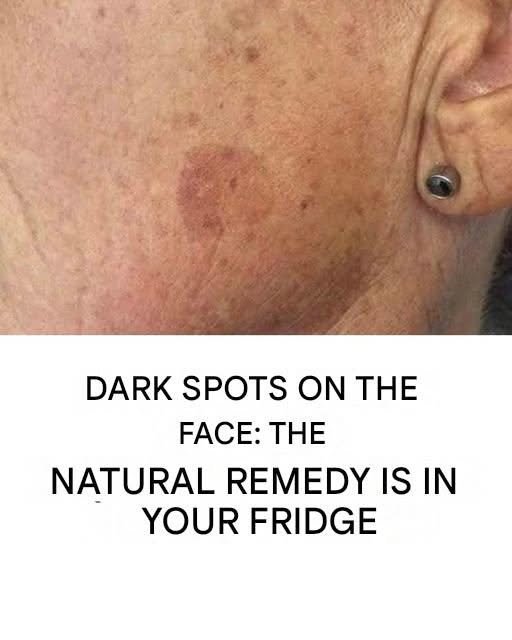
That headline is a classic skincare trap. By promising that a single, secret ingredient added to your daily cream will make facial blemishes a “distant memory,” it preys on the universal frustration of dealing with breakouts and offers a magical overnight fix that dermatology simply doesn’t support.
In clinical reality, skin blemishes—whether they are inflammatory acne, post-inflammatory hyperpigmentation, or hormonal breakouts—are complex dermatological issues driven by sebum production, follicular keratinization, bacterial activity, and inflammation. No single kitchen additive or viral DIY trick can universally erase them overnight.
Here is the grounded, clinical reality behind DIY skincare hacks and how blemishes actually resolve:
1. The Danger of DIY “Cream Boosters”
Viral recipes often suggest mixing harsh kitchen ingredients (like raw lemon juice, baking soda, undiluted essential oils, or crushed aspirin) into your favorite moisturizer:
-
Disruption of the Skin Barrier: Your skin relies on a delicate acid mantle and moisture barrier to protect against bacteria and moisture loss. Slathering DIY kitchen chemistry onto your face can cause contact dermatitis, micro-tears, chemical burns, or severe irritation.
-
Worsening Inflammation: Trying to aggressively “burn” or dry out a blemish often triggers post-inflammatory hyperpigmentation—leaving you with stubborn dark spots that last much longer than the original breakout.
2. What Actually Works for Blemishes (Dermatological Science)
Real management of facial blemishes relies on targeted, evidence-based active ingredients formulated at the correct pH and concentration:
-
Salicylic Acid (BHA): An oil-soluble exfoliant that penetrates deep inside pores to dissolve trapped sebum and dead skin cells, making it a gold standard for blackheads and active breakouts.
-
Benzoyl Peroxide: A proven antimicrobial agent that reduces the population of C. acnes bacteria responsible for inflammatory pimples.
-
Retinoids (Adapalene/Retinol): Regulate skin cell turnover at the cellular level, preventing pores from clogging in the first place while fading leftover blemish marks.
3. The Foundation of Clear Skin
-
Gentle Consistency: A simple routine—gentle cleanser, targeted active ingredient, moisturizer, and daily broad-spectrum SPF—outperforms any viral kitchen concoction every single time.
-
Patience: Skin cells take roughly 28 to 40 days to cycle through. Any legitimate treatment requires weeks of consistent application, not a magic mixing bowl.
The Takeaway: Skip the DIY kitchen experiments in your moisturizer. Real blemish management is about protecting your skin barrier and using targeted, proven dermatological actives—not viral magic tricks.
Did this magical skincare hack pop up in a beauty reel or an ad, or were you looking for realistic ways to refine your skincare routine?
