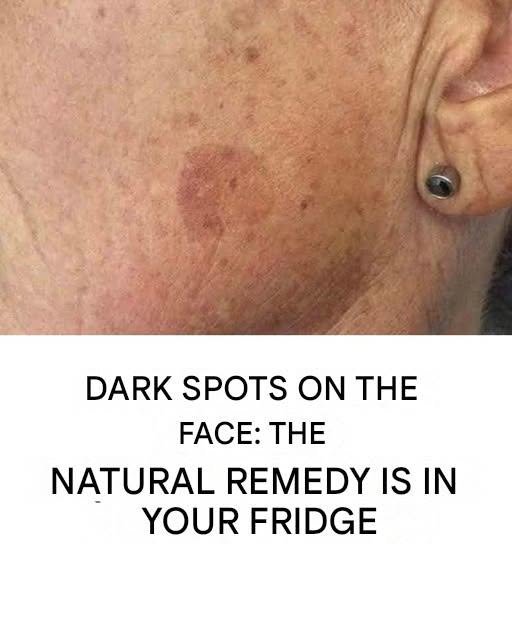
Clinical Reality Check: “Add it to your cream” is classic internet hyperbole. DIY mixing of random active agents, essential oils, or kitchen remedies into a moisturizer rarely cures blemishes. Instead, it frequently destabilizes the base formula, disrupts the skin barrier, ruins preservative efficacy, or triggers irritant/allergic contact dermatitis.
Common DIY “Add-Ins” Claimed for Blemishes (and Skin Reality)
| DIY Add-In | Claimed Effect | Clinical / Dermatological Reality |
| 1. Undiluted Essential Oils (e.g., Tea Tree, Lavender drops) | Antimicrobial, acne-shrinking | High concentrations sensitize facial skin, leading to chronic contact dermatitis and paradoxical inflammation. |
| 2. Lemon Juice / Citrus Extracts | Brightening, fading dark spots | Phototoxic and severely acid-disrupting; causes chemical irritation, burns, and worsens post-inflammatory hyperpigmentation in sunlight. |
| 3. Baking Soda | Drying, exfoliating | Extreme alkaline pH (~9–10) strips the acid mantle and lipid barrier, destroying microbiome balance and worsening micro-inflammation. |
| 4. Crushed Aspirin (Acetylsalicylic Acid) | Anti-inflammatory spot treatment | Erratic dosing, uneven suspension, and skin irritation; commercial salicylic acid is safely buffered at specific pH levels (0.5–2%). |
| 5. Raw Active Powders (Vitamin C / Niacinamide dumps) | High-potency brightening/repair | L-ascorbic acid requires a specific low pH (~3.0) and chemistry to penetrate; dumping raw powders ruins cream preservation and pH balance. |
Why DIY Cream-Mixing Backfires
-
Preservative Breakdown: Creams contain calibrated water-activity and preservatives. Adding foreign liquids, oils, or powders dilutes antimicrobial protection, inviting bacterial or fungal growth in a jar you rub on your face daily.
-
Barrier Destruction: Blemishes heal faster when the skin barrier is intact. Stripping the stratum corneum with caustic kitchen hacks leads to micro-fissures, increased trans-epidermal water loss (TEWL), and persistent red marks.
-
Wrong Vehicle for the Job: Active acne needs targeted delivery (e.g., lightweight salicylic/glycolic/adapalene gels for pore-clogging sebum, or benzoyl peroxide for C. acnes reduction), not heavy occlusive creams trapping irritants.
Safety Red Line: Stop any DIY mixture immediately if you notice stinging, burning, tight/shiny peeling skin, sudden flare-ups of red papules, or contact swelling.
Are you trying to target active breakouts, post-acne dark spots (hyperpigmentation), or general textural unevenness?
