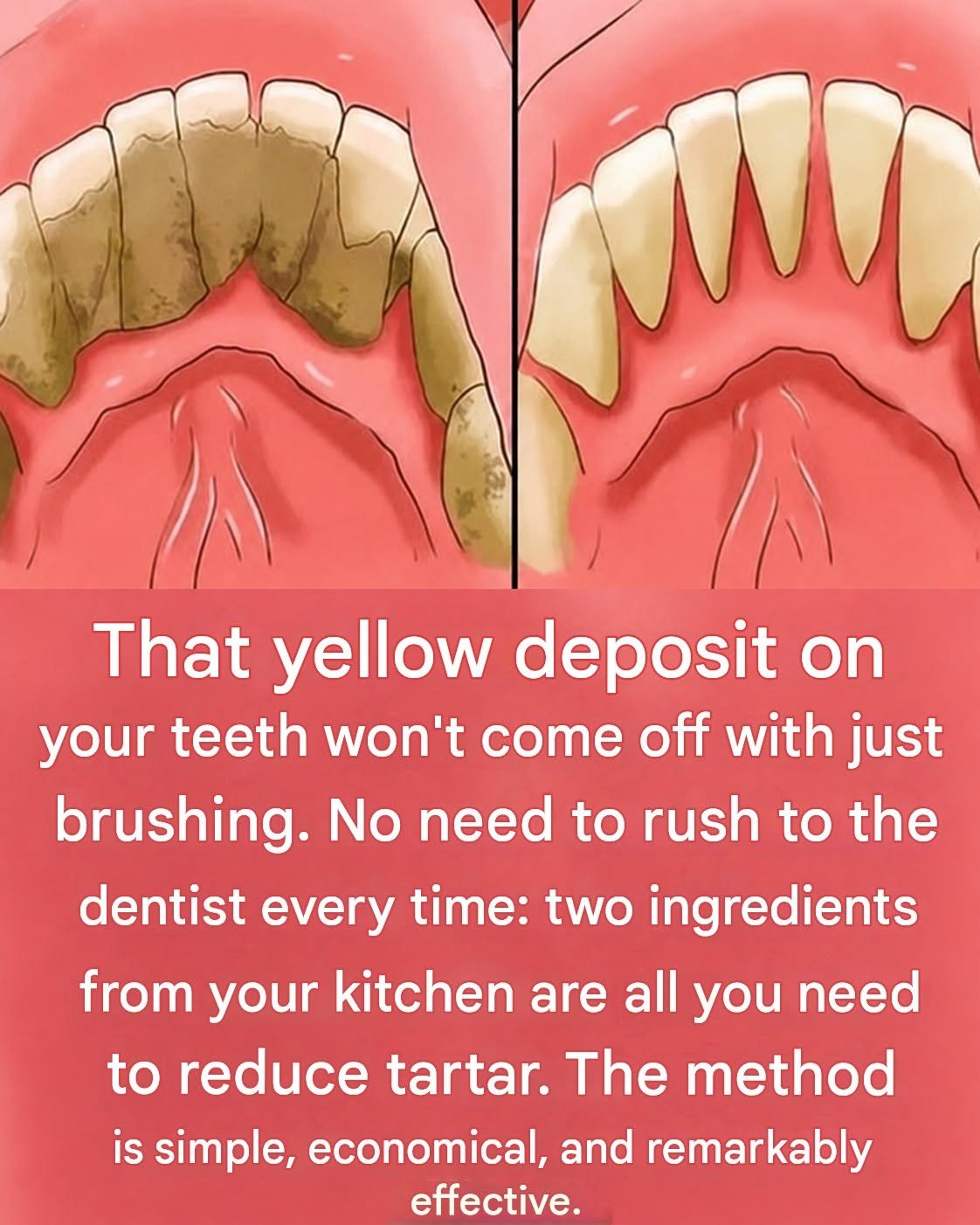
“Be your own dentist” with DIY tartar-scraping tools or acid washes is a fast-track recipe for enamel gouging, gingival recession, root surface trauma, and bacteremia.
Once dental plaque (biofilm) undergoes salivary calcium-phosphate mineralization into calculus (tartar), it forms a rock-hard crystalline matrix bonded directly to the tooth surface. Household metal picks lack tactile micro-sensitivity and ultrasonic cavitation; they slip, slice the epithelial attachment, and push subgingival plaque deeper.
## The Viral “Tartar Hack” vs. Periodontal Reality
| Viral DIY Hack | What They Claim | The Clinical / Structural Reality |
| Metal Dental Pick / Scaler Scraping | “Do your own deep clean at home” | Gouges cementum and enamel micro-layers, lacerates the sulcular gingiva, and seeds oral anaerobes directly into the periodontal ligament space. |
| Lemon Juice / Vinegar Acid Scrub | “Dissolves calcium buildup” | Acid-etches and demineralizes structural enamel hydroxyapatite matrix, leaving calcified subgingival calculus stubbornly intact. |
| Baking Soda / Hydrogen Peroxide Paste | “Strips tartar away” | Mild abrasive surface polish good for extrinsic coffee/tea stain biofilm, with zero mechanical or chemical clearance for calcified calculus. |
## The Physics of Calculus (Why DIY Fails)
-
The 24–72 Hour Window: Soft bacterial biofilm calcifies when calcium and phosphate ions from saliva precipitate into the microbial matrix.
-
The Bond Strength: Mature supragingival and subgingival calculus requires 25–30 kHz ultrasonic micro-streaming/cavitation combined with tactile manual curettage by a hygienist or dentist to fracture the adhesive bond without shearing root structure.
-
The Pocket Danger: Subgingival tartar hides under the gumline in periodontal pockets. Scraping blind guarantees you leave the calcified ledge behind while shredding the soft-tissue seal protecting the bone.
## What Actually Works: Prevention & Professional Care
-
The Daily Prevention Stack:
-
Oscillating or sonic electric toothbrush (removes 30–40% more mechanical biofilm than manual).
-
Daily interdental proxy-brushes or string floss before brushing (clears the interproximal mineralization zones).
-
-
The Professional Standard: Scale-and-root planing (SRP) or routine prophylaxis using ultrasonic scalers designed to shatter calculus crystals safely.
-
Red Flags for Periodontal Involvement: Spontaneous gingival bleeding, interdental papilla blunting, localized thermal sensitivity on exposed root surfaces, or tooth mobility.
Are you dealing with visible hardened shelf-buildup behind the lower anterior teeth, or trying to manage early bleeding/gum inflammation that sparked the search?
