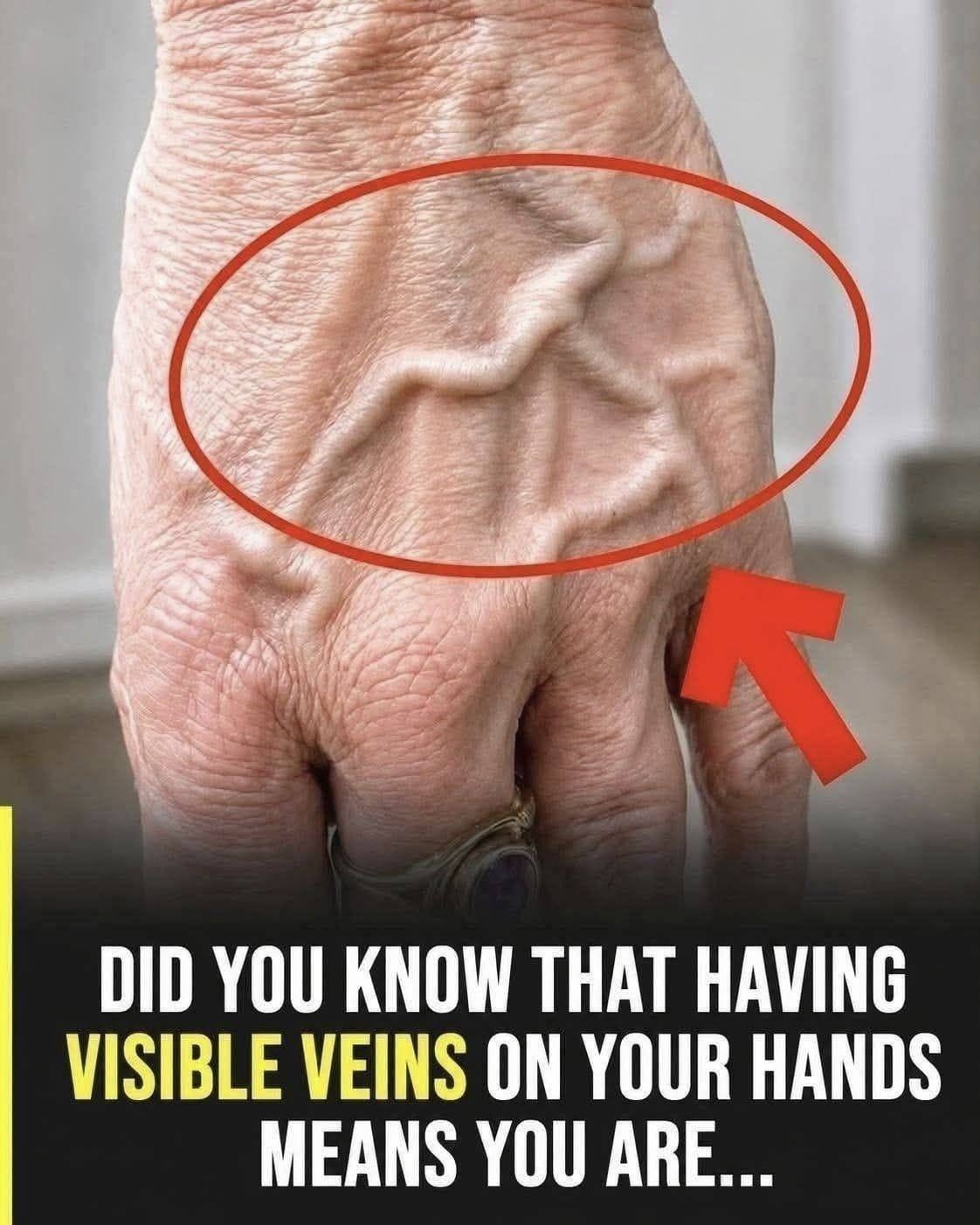
…means you have low body fat, high muscularity, or thin/fair skin!
While social media trends often treat prominent veins as a secret indicator of super-human fitness (or, conversely, a sign of health issues), the reality is mostly determined by basic anatomy, genetics, and daily habits.
What Visible Veins Actually Mean
1. Low Body Fat Percentage (Vascularity)
-
Subcutaneous fat sits directly between your skin and your muscles. As body fat drops, that insulating layer thins out, allowing veins to push closer to the skin surface and become clearly defined.
2. Lean Muscle & Blood Flow (Vasodilation)
-
When you exercise, your muscles require more oxygen. Arteries pump blood into the muscles, causing them to swell (the “pump”). This swelling compresses the deeper veins and pushes them outward against the skin. Nitric oxide production during exercise also dilates veins, making them expand.
3. Genetics & Skin Type
-
Naturally fair, thin, or translucent skin makes underlying blood vessels far more visible, even at higher body fat levels. Additionally, some people simply inherit larger or more superficial vein structures.
4. Aging & Collagen Loss
-
As we get older, our skin loses elasticity and collagen, becoming thinner. This makes veins on the hands, arms, and feet much more prominent over time.
5. Heat & Hydration
-
Warm temperatures cause blood vessels to expand to help cool the body down. Good hydration increases total blood volume, making veins fuller and more visible.
When Visible Veins ARE a Medical Concern
While visible veins on the arms and biceps are usually a sign of low body fat or recent exercise, certain vein patterns can point to underlying circulation issues:
-
Varicose Veins: Swollen, twisted, or rope-like bulging veins (most commonly on the legs) caused by weakened internal vein valves. They can cause heaviness, aching, or swelling.
-
Spider Veins: Small, web-like red or blue lines on the skin surface caused by damaged capillaries.
-
Sudden Painful Swelling: If a vein suddenly becomes hard, red, swollen, or painful to the touch, it can indicate a clot (phlebitis or deep vein thrombosis / DVT) and requires immediate medical attention.
