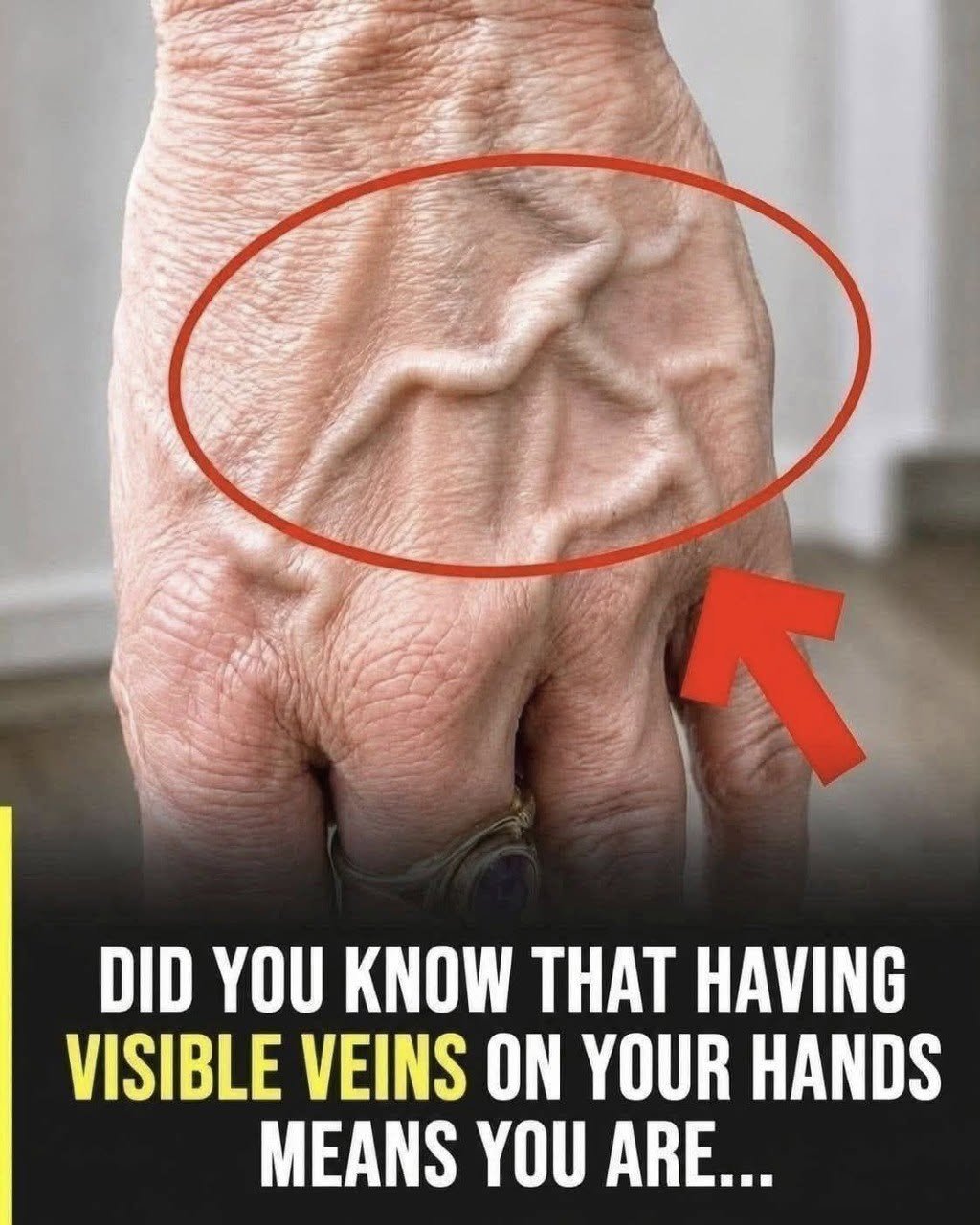
experiencing more prominent or visible veins is a common physical change that can stem from a wide variety of completely harmless physiological factors, though it can occasionally point to structural changes beneath the surface.
Natural and Lifestyle Factors
-
Aging and Skin Thinning: Over time, the skin naturally loses collagen, elasticity, and its underlying layer of subcutaneous fat. As this protective padding thins out, blood vessels that were previously hidden sit closer to the surface, making them much easier to see.
-
Genetics and Complexion: Inherited physical traits play a major role in vein prominence. Individuals with naturally fair skin tones often find that their superficial veins show through much more vividly simply due to a lack of heavy skin pigmentation.
-
Body Composition and Fitness: Having a lower body mass index or lower overall body fat means there is less tissue insulation between the skin and the vascular network. Additionally, regular physical activity and cardiovascular exercise temporarily boost blood pressure and expand vessels, which can cause veins to push outward.
Underlying Medical Considerations
While normal anatomical variations explain most visible veins, prominent or bulging lines can sometimes signal shifts in vascular health:
-
Venous Insufficiency: When the tiny one-way valves inside leg veins weaken or become damaged over time, blood can begin to pool rather than flow smoothly back toward the heart, increasing internal pressure and enlarging superficial pathways.
-
Varicose Veins: Raised, twisted, or rope-like veins often develop in the lower extremities due to chronic pressure, sometimes accompanied by a dull ache, heaviness, or localized fatigue.
If visible veins appear suddenly, affect only one limb, or are accompanied by discomfort, swelling, warmth, or tenderness, it is always wise to consult a physician or a vascular specialist for a thorough evaluation.
