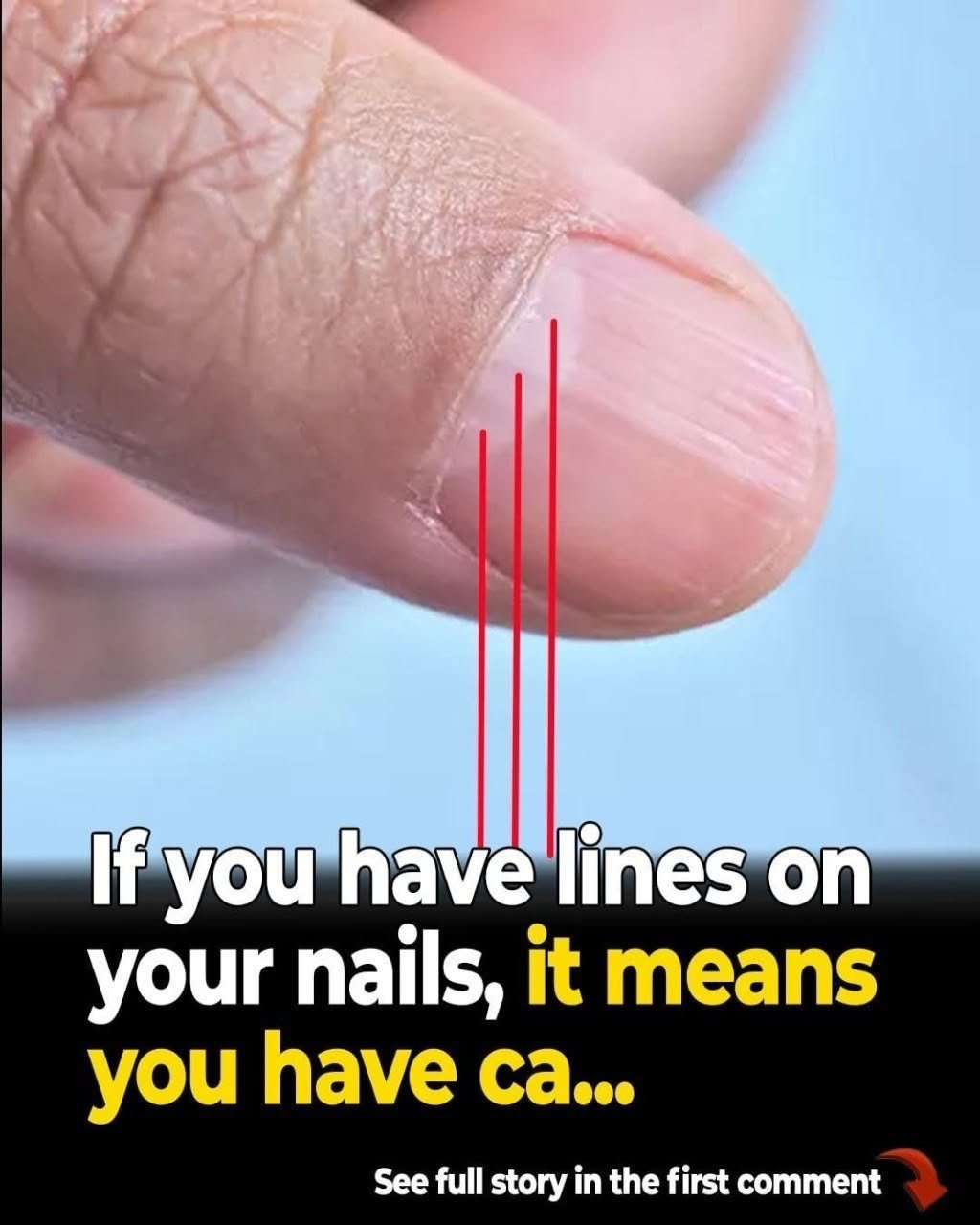
Fingernails and Longevity: Separating Clinical Biomarkers from Clickbait
Headlines warning that a doctor has uncovered a “telltale sign in your fingernails that can predict your life expectancy” are classic examples of sensationalized wellness media. While these catchy hooks often distort comments made by longevity researchers (such as discussions around nail growth rates and biological aging), there is a grain of clinical truth: your fingernails can indeed act as a minor window into your systemic health.
An evidence-based look cuts through the hype to see what nail changes actually mean—and what they can (and cannot) tell you about your overall health.
Where the Headline Comes From: Nail Growth and Cellular Aging
Discussions surrounding fingernails and longevity often trace back to observations by geneticists and aging researchers (such as Harvard’s Dr. David Sinclair) regarding nail growth speed.
-
The Concept: Fingernails grow from a matrix of rapidly dividing cells beneath the cuticle. Research has tracked that average nail growth speed gradually slows down as people age (declining incrementally over decades) because overall cellular turnover, metabolic efficiency, and micro-circulation naturally decrease.
-
The Reality: While a slower nail growth rate correlates broadly with the body’s natural aging timeline, it is not a direct countdown clock or a precise predictor of your life expectancy. Nail growth is easily influenced by local factors like hand trauma, cold climates, seasonal changes, and localized blood flow rather than acting as a standalone oracle of lifespan.
What Physicians Actually Look for in Fingernails
While nails can’t predict how long you will live, clinicians do examine fingernails for diagnostic clues regarding underlying systemic diseases, nutritional deficiencies, or chronic organ stress:
-
Clubbing (Curving and Widening of the Nail Bed):
-
What it looks like: The tips of the fingers widen and become round, and the nail curves downward, resembling the shape of an upside-down spoon.
-
Clinical significance: This can be an external indicator of chronic low blood-oxygen levels, and is sometimes associated with long-term pulmonary conditions (like COPD or pulmonary fibrosis) or cardiovascular issues.
-
-
Koilonychia (“Spoon Nails”):
-
What it looks like: Nails become thin, brittle, and concave (depressed inward like a spoon).
-
Clinical significance: This is a classic physical sign often linked to severe iron-deficiency anemia or chronic systemic fatigue.
-
-
Beau’s Lines (Horizontal Ridges):
-
What it looks like: Deep grooves running horizontally across the nail.
-
Clinical significance: These occur when nail growth is temporarily interrupted by a severe systemic stressor—such as a major physical trauma, a high fever, uncontrolled diabetes, or a significant physiological shock—months prior.
-
-
Color Changes and Nail Bed Pallor:
-
What it looks like: Excessively pale nail beds can point toward poor circulation or anemia, while unusual pigment changes under the nail can occasionally warrant dermatologist evaluation to rule out localized skin conditions.
-
The Bottom Line
Your fingernails are a fascinating reflection of your body’s cellular environment, but they are diagnostic clues, not crystal balls. They can highlight localized trauma, nutritional gaps, or chronic medical conditions that require attention, but they cannot determine your precise life expectancy.
Are you looking at nail changes from a general wellness perspective, or noticed a specific physical shift in your nails that you’re curious about?
