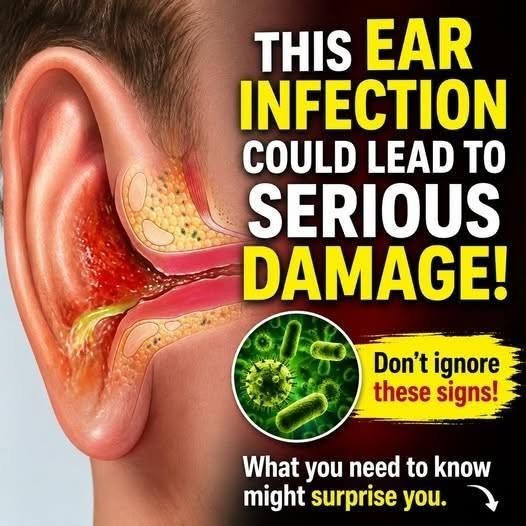
When dealing with an ear infection or earache, Ear, Nose, and Throat (ENT) specialists emphasize that while home remedies can help manage pain and inflammation, they do not cure bacterial infections on their own. Most mild viral earaches or pressure issues can be eased naturally, but true bacterial infections often require prescription medical treatment.
Safe, doctor-backed methods to find relief at home, along with critical safety warnings, include:
## Natural Pain Relief & Comfort Strategies
-
Apply a Warm or Cool Compress: Place a warm washcloth (or a cold pack wrapped in a towel) against the outside of the ear for 10 to 15 minutes. This helps relax the area, soothe inflammation, and ease pressure.
-
Gravity and Sleep Positioning: Sleep with your head elevated using extra pillows, and try to sleep with the unaffected ear facing down (or your back) to encourage the Eustachian tubes to drain naturally.
-
Gentle Drainage Massage: Gently massaging the jaw, neck, and the area just behind the ear in a downward motion toward the front can help stimulate lymphatic drainage and relieve fluid pressure.
-
Steam Inhalation: Inhaling steam from a bowl of hot water or taking a hot, steamy shower can help open up nasal passages and unblock the Eustachian tubes if the earache is tied to a cold or sinus congestion.
-
Stay Hydrated: Drinking plenty of warm liquids (like caffeine-free herbal tea or broth) thins internal mucus, and the physical act of swallowing helps open and drain the ears.
## Critical Safety Warnings (What NOT to Do)
-
NEVER put random oils, garlic drops, or liquids into the ear canal unless explicitly cleared by a doctor. If a person has a ruptured (perforated) eardrum, putting liquids inside can cause severe damage, extreme pain, or inner ear complications.
-
Watch out for fluid discharge: If you notice pus, blood, or fluid draining from the ear, or if there is severe swelling or a high fever, skip home remedies entirely and see a doctor immediately.
-
Avoid sticking anything inside: Never use cotton swabs (Q-tips), bobby pins, or fingers inside the ear canal, as this can push debris or bacteria further inward or scratch the delicate lining.
-
Say no to “ear candling”: ENT specialists universally warn against ear candling, as it does not clear wax and poses a high risk of severe burns and wax blockages.
When to See a Doctor: If ear pain is severe, does not start improving within 48 hours, or is accompanied by high fever, dizziness, or fluid discharge, you should consult a healthcare provider. Bacterial ear infections typically require prescription antibiotic eardrops or oral medications to clear safely.
Are you or a loved one currently managing ear pain alongside cold or sinus symptoms?
