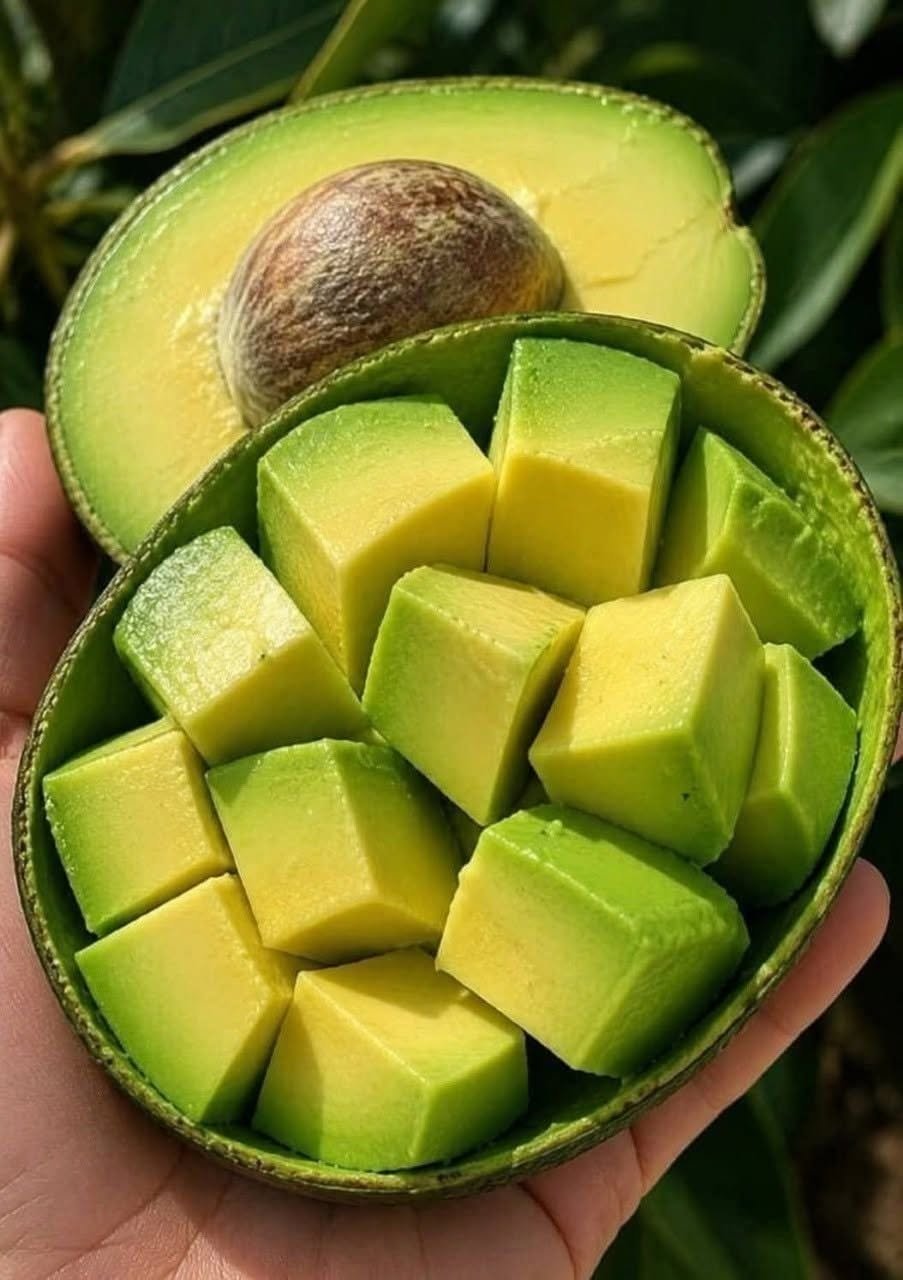
That classic health teaser usually sets up a breakdown of the profound, scientifically backed physiological shifts that happen when you make avocados a regular part of your diet.
While pop-culture headlines sometimes frame everyday foods with dramatic hooks, doctors and nutritionists generally look at avocados as a metabolic powerhouse. Here is what really happens to your body when you eat them regularly:
What Happens When You Eat Avocados Regularly
-
Remarkable Blood Sugar Stability: Because avocados are packed with monounsaturated fats and soluble fiber while being exceptionally low in carbohydrates, adding them to a meal dramatically blunts the glycemic response. They slow down overall digestion, preventing the sharp insulin spikes that cause energy crashes and fat storage.
-
Improved Lipid Profiles (Heart Health): Rich in oleic acid (the same heart-healthy fat found in olive oil), regular avocado consumption has been shown in clinical studies to help lower “bad” LDL cholesterol and triglycerides while preserving or raising “good” HDL cholesterol.
-
Enhanced Nutrient Absorption: Avocados act like a nutritional multiplier. The healthy fats in the fruit dramatically boost your body’s ability to absorb fat-soluble vitamins (like Vitamins A, D, E, and K) and powerful antioxidants (like lycopene and lutein) from other foods eaten in the same meal—like a spinach or tomato salad.
-
Sustained Satiety and Weight Management: The combination of healthy fats and dense fiber triggers the release of fullness hormones in the gut, keeping hunger at bay for hours and curbing mindless snacking.
-
Skin, Eye, and Cellular Protection: Avocados are loaded with lutein and zeaxanthin (crucial for eye health and protecting retinal tissue from oxidative stress), alongside vitamin E and healthy fats that support skin elasticity and barrier hydration from the inside out.
Are you a fan of adding avocado to your meals (like in salads, on eggs, or as guacamole), or are you tracking how healthy fats impact your daily energy and blood sugar?
