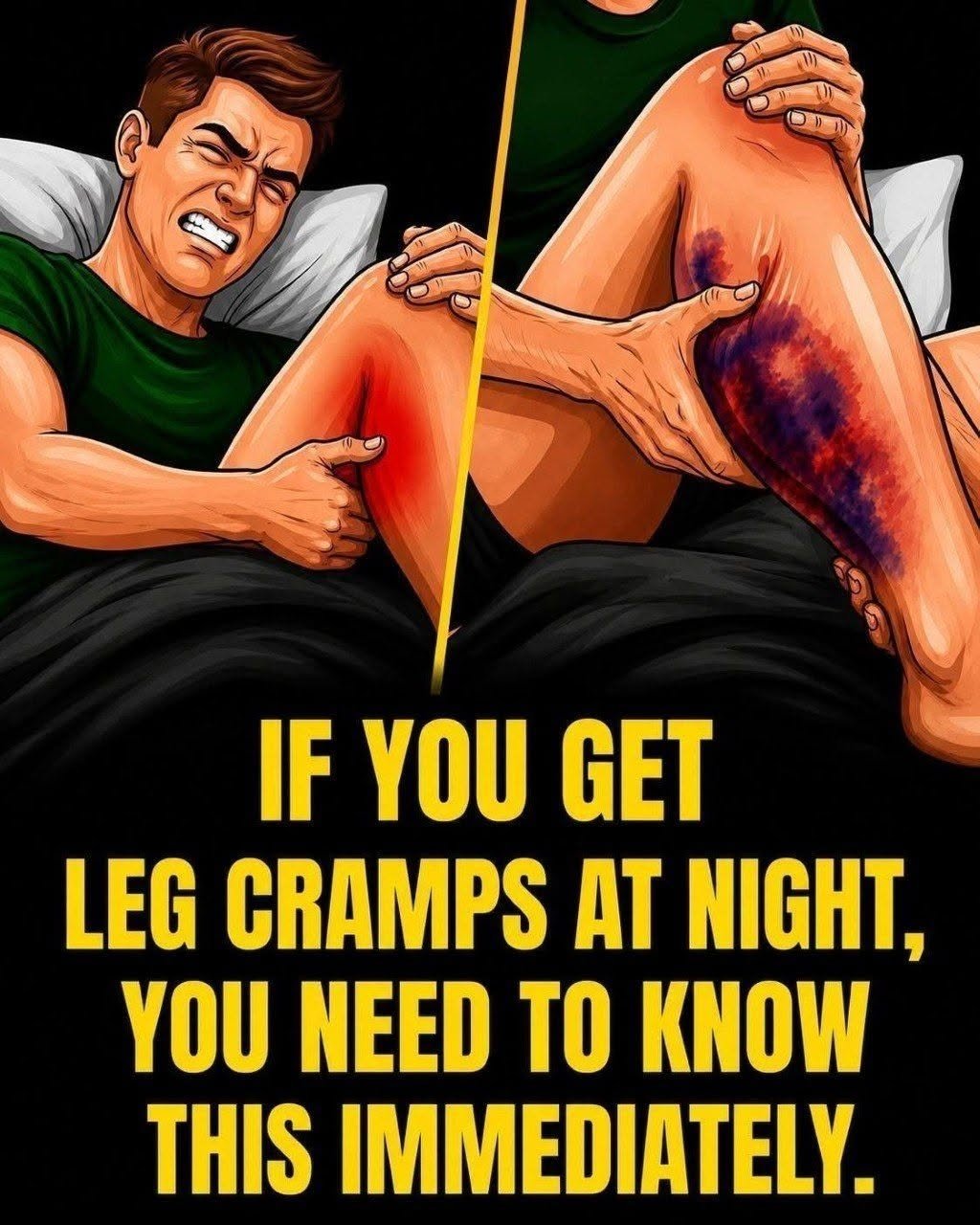
Nocturnal Leg Cramps: What They Mean and How to Stop Them
Waking up in the middle of the night with a sudden, violent spasm in your calf or foot—often called a “charley horse”—is an unmistakable and intensely painful experience. While these nighttime muscle contractions usually relax after a minute or two, they can leave your muscles sore and exhausted well into the morning.
A skeptical, evidence-based look cuts through the internet panic to reveal what is actually happening in your legs and what you can safely do about it.
The Real Causes of Nighttime Leg Cramps
For decades, nocturnal leg cramps were almost universally blamed on simple dehydration or an electrolyte imbalance (like low potassium or magnesium). However, modern medical research shows the picture is much more complex:
-
Neuromuscular Fatigue: This is currently considered the leading primary cause. When muscles are overworked, unaccustomed to physical stress, or held in a shortened position for too long (such as pointing your toes downward under heavy bedsheets), the nerve endings that control muscle contraction can misfire, causing a sudden, involuntary spasm.
-
Structural and Postural Stress: Prolonged standing on hard floors, lack of physical conditioning, or structural issues like flat feet can place abnormal strain on your calf muscles and tendons during the day, making them hypersensitive to cramping at night.
-
Circulatory and Metabolic Factors: Poor blood circulation in the legs or underlying conditions like peripheral artery disease, type 2 diabetes, or chronic kidney disease can alter nerve and muscle function.
-
Medication Side Effects: Certain prescription drugs—most notably diuretics (water pills) used for high blood pressure or heart conditions, as well as statins (cholesterol-lowering drugs)—are frequently associated with increased cramping.
Evidence-Based Relief and Prevention
When a cramp strikes at 3:00 AM, you need immediate relief, followed by long-term preventative care:
-
Immediate Relief (When a Cramp Hits):
-
Stretch the Muscle: Immediately stretch the affected muscle by pulling your toes upward toward your shin (dorsiflexion) while keeping your leg straight.
-
Massage and Heat: Gently massage the tight muscle knot, or apply a warm compress or heating pad to help the muscle fibers relax. Walking around lightly can also help reset the neuromuscular reflex.
-
-
Preventative Strategies:
-
Gentle Evening Stretching: Perform a 5-minute calf and foot stretch right before getting into bed to lengthen the muscle fibers and reduce nerve hyperexcitability overnight.
-
Bedding Adjustments: Ensure your heavy blankets or comforters aren’t pressing your feet downward into a plantar-flexed position all night long.
-
Hydration and Balanced Nutrition: While simple dehydration isn’t the sole cause, maintaining steady fluid intake and eating a balanced diet rich in potassium, magnesium, and calcium supports overall nerve and muscle health.
-
Review Your Medications: If you suspect a prescription medication is triggering your cramps, talk to your doctor. Never stop taking prescribed medications on your own, but ask if an adjustment or timing change is appropriate.
-
When to Seek Medical Attention
Most nocturnal leg cramps are benign and harmless (though painful). However, you should consult a physician if your cramps are accompanied by severe swelling, redness, skin color changes, progressive muscle weakness, or if they happen with unusual frequency.
Are these nighttime cramps a frequent occurrence for you, or did a specific headline or recent experience spark your curiosity?
