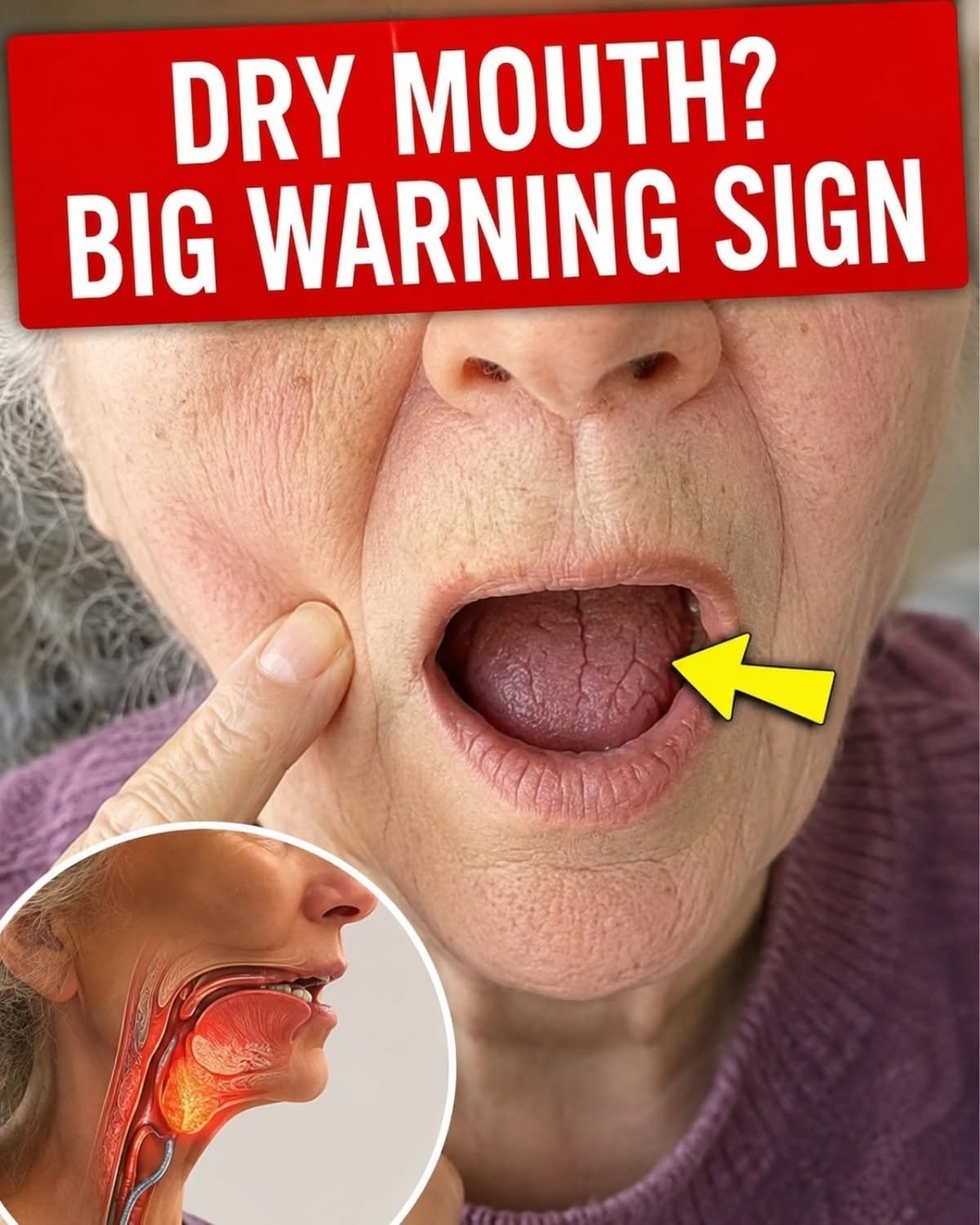
That headline takes a very real, uncomfortable symptom—dry mouth (xerostomia)—and gives it a dramatic, slightly panic-inducing spin. By declaring it’s “not aging,” it immediately sets up a false dichotomy to make you feel like your body is secretly shutting down.
While dry mouth isn’t an inevitable requirement of getting older, the reality of why it happens is much more straightforward (and less terrifying) than a sudden systemic shutdown.
Here is the grounded, clinical reality behind dry mouth:
1. The Clinical Reality: What is Xerostomia?
-
Salivary Gland Function: Saliva isn’t just for keeping your mouth wet; it is crucial for swallowing, digesting starches, protecting your tooth enamel from decay, and maintaining oral microbiome balance.
-
Why it Happens: When you experience dry mouth, it usually means your salivary glands are simply producing less saliva. While it can be bothersome, it is almost always a side effect of an external factor rather than your body “failing.”
2. Common Causes (Why Saliva Production Slows Down)
Instead of a mysterious bodily collapse, dry mouth is usually triggered by a few very common culprits:
-
Medications (The #1 Cause): Hundreds of common prescription and over-the-counter drugs list dry mouth as a side effect. This includes blood pressure medications, antihistamines, antidepressants, decongestants, and anxiety meds. Older adults are more prone to dry mouth simply because they are more likely to take multiple medications (polypharmacy).
-
Dehydration: Not drinking enough fluids throughout the day directly reduces the volume of water available for your body to produce saliva.
-
Mouth Breathing: Sleeping with your mouth open (often due to nasal congestion, sleep apnea, or allergies) causes saliva to evaporate quickly overnight, leading to that parched feeling in the morning.
-
Medical Conditions & Treatments: Certain autoimmune conditions (like Sjögren’s syndrome, which attacks moisture-producing glands) or radiation therapy to the head and neck can genuinely impact salivary gland output.
3. Practical Ways to Manage Dry Mouth
If you’re dealing with a dry mouth, protecting your dental health and finding comfort is the main priority:
-
Stay Consistently Hydrated: Keep a water bottle with you and take small, frequent sips throughout the day.
-
Stimulate Saliva Naturally: Chew sugar-free gum or suck on sugar-free hard candies (especially those containing xylitol) to mechanically stimulate your salivary glands.
-
Review Your Meds: If a prescription medication is the obvious culprit, talk to your doctor. They can sometimes adjust the dose, switch the timing, or recommend an alternative that doesn’t dry you out.
-
Use Artificial Saliva Products: Over-the-counter mouthwashes, sprays, or gels designed specifically for dry mouth can provide long-lasting moisture and protect your teeth from decay.
The Takeaway: Dry mouth is an uncomfortable and sometimes annoying symptom, but it’s usually a side effect of medications, dehydration, or lifestyle factors rather than a sudden bodily shutdown.
Have you noticed a sudden change in dry mouth, or are you trying to troubleshoot a medication side effect?
