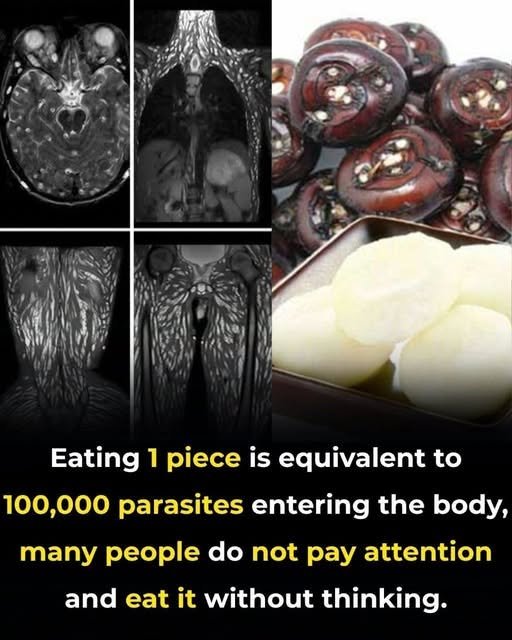
Catchy clickbait headlines warning that “eating just one bite is already harmful, but many still eat it without worry” are designed to trigger an immediate wave of food guilt or anxiety. Whether found floating around social media meme pages or tied to restrictive diet culture, these absolute claims paint eating with a brush of fear rather than nourishment.
From a medical and behavioral standpoint, understanding how our brains and bodies actually process food helps strip away that unnecessary panic.
The Psychology Behind “Just One Bite” Myths
-
The All-or-Nothing Trap: Sensationalized wellness culture often treats food through a lens of moral purity—labeling items as “clean” or “toxic.” Under this framework, a single bite of a favorite treat is framed as a catastrophic failure that ruins a diet or harms your biology. In reality, human metabolism is resilient and handles variety with ease.
-
The Dopamine Loop: Highly processed, hyper-palatable foods (like sugary sweets or heavily fried snacks) trigger a quick surge of dopamine in the brain’s reward center. While “just one bite” can sometimes stimulate a desire to keep eating due to these neurological pathways, a single bite itself does not cause direct physical harm to a healthy body.
-
The Stress Paradox: Worrying intensely over a single bite of food creates a different kind of toll. Chronic anxiety and hyper-vigilance around eating can elevate stress hormones like cortisol, which impacts digestion and your relationship with food far more than an occasional treat ever could.
Shifting Toward a Sustainable, Balanced Relationship with Food
Instead of viewing food as something loaded with hidden traps, long-term health and metabolic stability are built on overall patterns rather than isolated moments:
-
Look at the Big Picture: Your health is shaped by what you do consistently over weeks and months—such as staying hydrated, eating plenty of fiber, moving your body, and getting restorative sleep—not by a single bite of something sweet or savory.
-
Practice Mindful Enjoyment: If you choose to have a treat, eating it slowly and mindfully allows you to actually taste and enjoy it, which naturally satisfies cravings without leading to an accidental binge driven by restriction.
-
Ditch the Food Guilt: Food is meant to fuel our bodies, provide comfort, and be enjoyed in social settings. Letting go of the “all-or-nothing” mindset makes it much easier to make calm, health-conscious choices.
💡 A Balanced Takeaway
A single bite of food will not derail your health, nor is it a hidden poison. Building a sustainable, healthy lifestyle is about finding a steady balance where you can nourish your body well while still enjoying life’s everyday pleasures without guilt.
Are you looking at these kinds of rigid food rules from a weight-management perspective, or are you just noticing more of this dramatic health content online lately?
