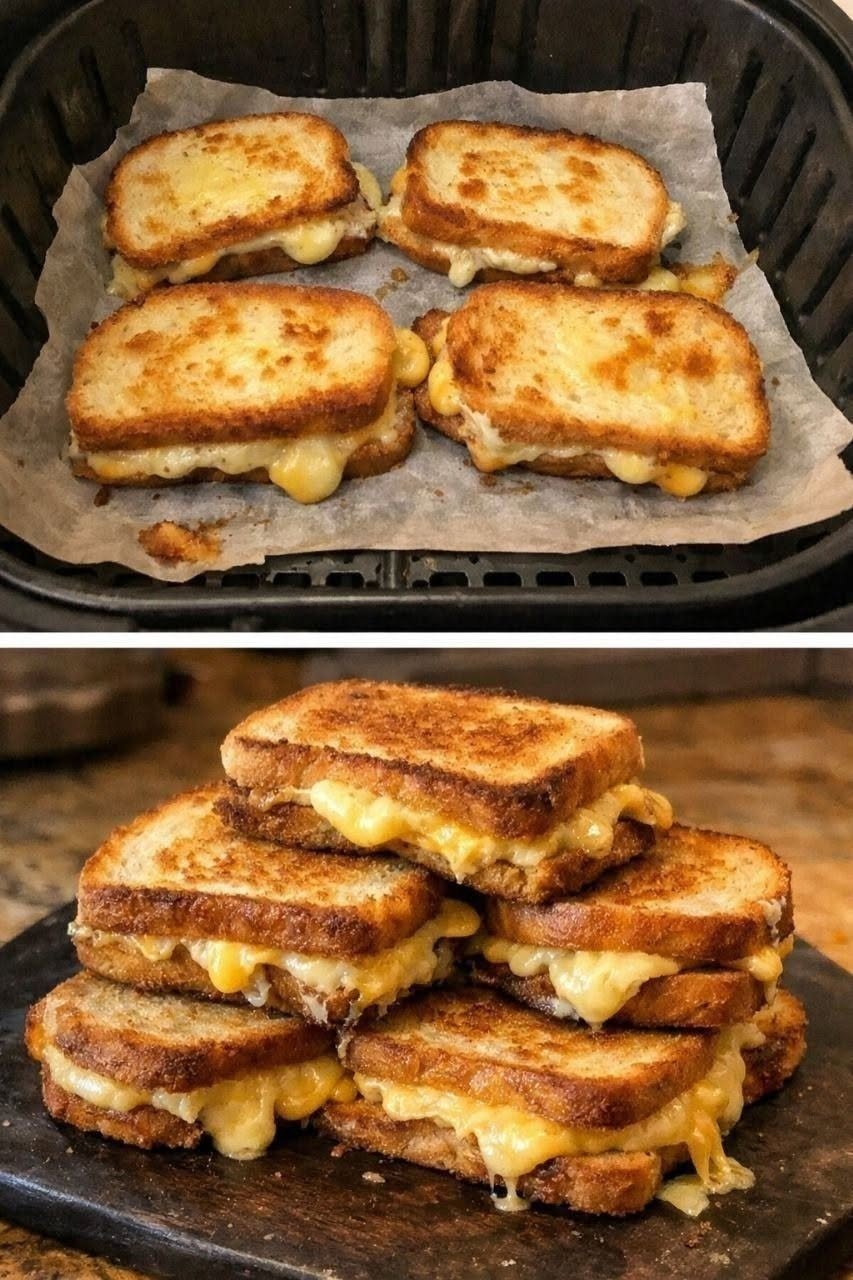
That classic comfort food prompt hits on the absolute king of quick, comforting culinary nostalgia: the grilled cheese sandwich. On the surface, it is deceptively simple—just bread, butter, and cheese. But ask any chef, and they will tell you that a truly exceptional grilled cheese is a masterclass in physics and dairy chemistry.
From a culinary and biochemical standpoint, making the ultimate grilled cheese comes down to managing heat transfer, moisture, and fat emulsions.
Here is what is happening in the pan, along with the secrets to achieving that shatteringly crisp, golden exterior and the ultimate cheese pull:
The Kitchen Chemistry of a Perfect Grilled Cheese
-
The Maillard Reaction (The Golden Crust):
-
The Chemistry: The exterior crunch relies on the Maillard reaction—the chemical reaction between amino acids and reducing sugars that happens when bread comes into contact with heat and fat. To get that deep, even golden-brown color without burning the bread, you need a high-smoke-point fat spread evenly across the surface.
-
-
Butter vs. Mayonnaise (The Great Fat Debate):
-
The Culinary Science: While butter gives you that classic, rich, dairy flavor, spreading a thin layer of mayonnaise on the outside of the bread is a secret weapon used by line cooks everywhere. Mayonnaise is an emulsion of oil and egg yolks; because it has a higher smoke point than butter and spreads as a thin, uniform film, it promotes faster, more even browning and creates an ultra-crisp crust. (Pro tip: You can also use softened butter mixed right into the bread for the best of both worlds).
-
-
The Melting Point of Cheese:
-
The Chemistry: Not all cheeses melt equally. Hard, aged cheeses (like sharp cheddar, parmesan, or aged gouda) are low in moisture and high in proteins that separate and turn greasy or grainy when heated too fast. Young, high-moisture cheeses (like American cheese, mild cheddar, Monterey Jack, or Fontina) contain emulsifying salts and higher water content that melt into a smooth, velvety, stretchable liquid.
-
How to Build the Ultimate Grilled Cheese
To move from a soggy, unevenly toasted sandwich to a masterpiece, keep these techniques in mind:
-
Control the Heat (Low and Slow): If your burner is cranked up too high, the outside of the bread will burn to a crisp before the heat can penetrate and melt the cheese in the middle. Cook over medium-low heat and cover the pan for the first minute or two—the trapped steam will melt the cheese rapidly while the bread toasts to perfection.
-
The Cheese Blend Strategy: Combine a high-melting cheese for the ultimate stretch (like Monterey Jack or low-moisture mozzarella) with a flavorful cheese for taste (like sharp cheddar, Gruyère, or provolone).
-
Add a Touch of Moisture Control: If you are adding fillings like sliced tomatoes or bacon, make sure they are completely dry before assembling, otherwise excess moisture will steam the inside of your bread and ruin your crust.
Are you planning to whip up a classic cheddar grilled cheese on the stove right now, or are you looking to upgrade your sandwich game with some gourmet cheese blends?
