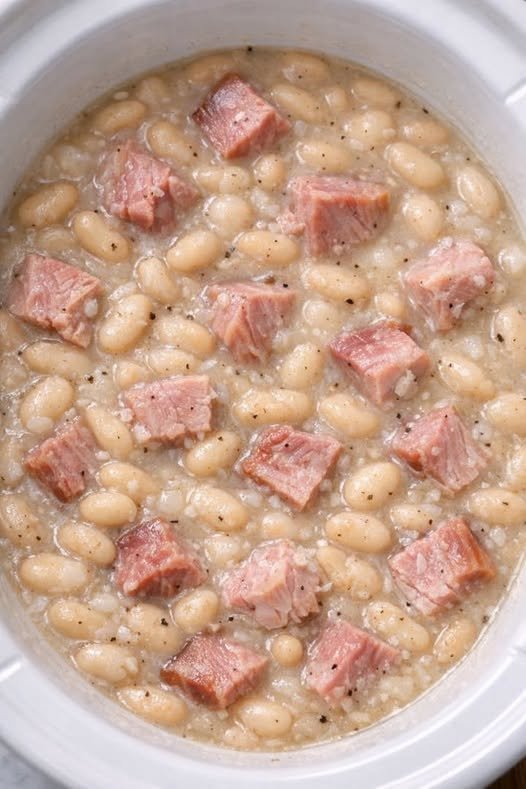
That classic comfort food combination—savory, smoky ham simmered low and slow with earthy, hearty beans—is one of the greatest culinary traditions in the kitchen. It is a masterclass in how simple, humble ingredients transform through time and temperature into something deeply satisfying.
From a culinary and biochemical standpoint, making ham and bean soup is a fascinating study in starch hydration, protein breakdown, and flavor extraction.
Here is what is happening in your pot when you make ham and bean soup, along with the secrets to getting perfectly tender beans and a rich, velvety broth:
The Kitchen Chemistry of Ham and Bean Soup
-
The Pectin Paradox (Why Beans Stay Hard):
-
The Chemistry: Have you ever simmered beans for hours, only to find some of them stubbornly crunchy? That is usually caused by acid (like tomatoes, wine, or citrus) or calcium in hard tap water. Acid and hard water reinforce pectin—the “glue” holding plant cell walls together—preventing the bean starches from softening.
-
The Fix: Keep acidic ingredients like tomatoes or vinegar out of the pot until the beans are fully tender. If your tap water is very hard, a pinch of baking soda can help soften the water and break down that stubborn pectin.
-
-
Collagen and Smoke (The Ham Bone Magic):
-
The Chemistry: Simmering a leftover ham bone isn’t just about adding salt; it is a masterclass in gelatin extraction. The connective tissues and bone marrow melt down into the broth over hours, adding natural body, silkiness, and mouthfeel that plain stock or water can never replicate, while the smoky compounds infuse every single bean.
-
The Golden Rules for the Best Ham and Bean Soup
-
To Soak or Not to Soak?
-
The Verdict: While you can cook dried beans straight from the bag, a quick-soak (boiling them for 2 minutes, then letting them sit covered for an hour) or an overnight soak cuts down your total cooking time, helps leach out the complex sugars (oligosaccharides) that cause gas, and ensures much more even cooking.
-
-
Watch the Salt Until the End:
-
The Caution: Ham is heavily cured and salted. If you aggressively salt your broth at the beginning of cooking, the beans will actually toughen up and refuse to soften, and as the liquid reduces, the soup can easily become overly salty. Build your flavors with aromatics (onion, celery, garlic, thyme) first, let the ham do its work, and adjust the salt only at the very end.
-
-
Creaminess Without Cream:
-
The Secret: Traditional ham and bean soup doesn’t need heavy cream to be rich. As the beans simmer, a portion of them naturally break down, releasing their starches into the broth. If you want an even thicker, velvety texture, mash a cup of the cooked beans against the side of the pot and stir them back into the soup.
-
What to Serve It With
Because ham and bean soup is packed with fiber, complex carbohydrates, and savory protein, it shines brightest with simple, rustic pairings that cut through the richness:
-
A thick slice of crusty sourdough bread drizzled with olive oil or slathered in butter for dipping.
-
A bright, acidic side salad with a sharp vinaigrette to balance the smoky, savory weight of the soup.
-
A dash of hot sauce or a splash of apple cider vinegar right at the table to wake up the flavors.
Are you planning to use up a leftover holiday ham bone for a big pot of soup, or are you starting from scratch with dried beans and ham hocks?
