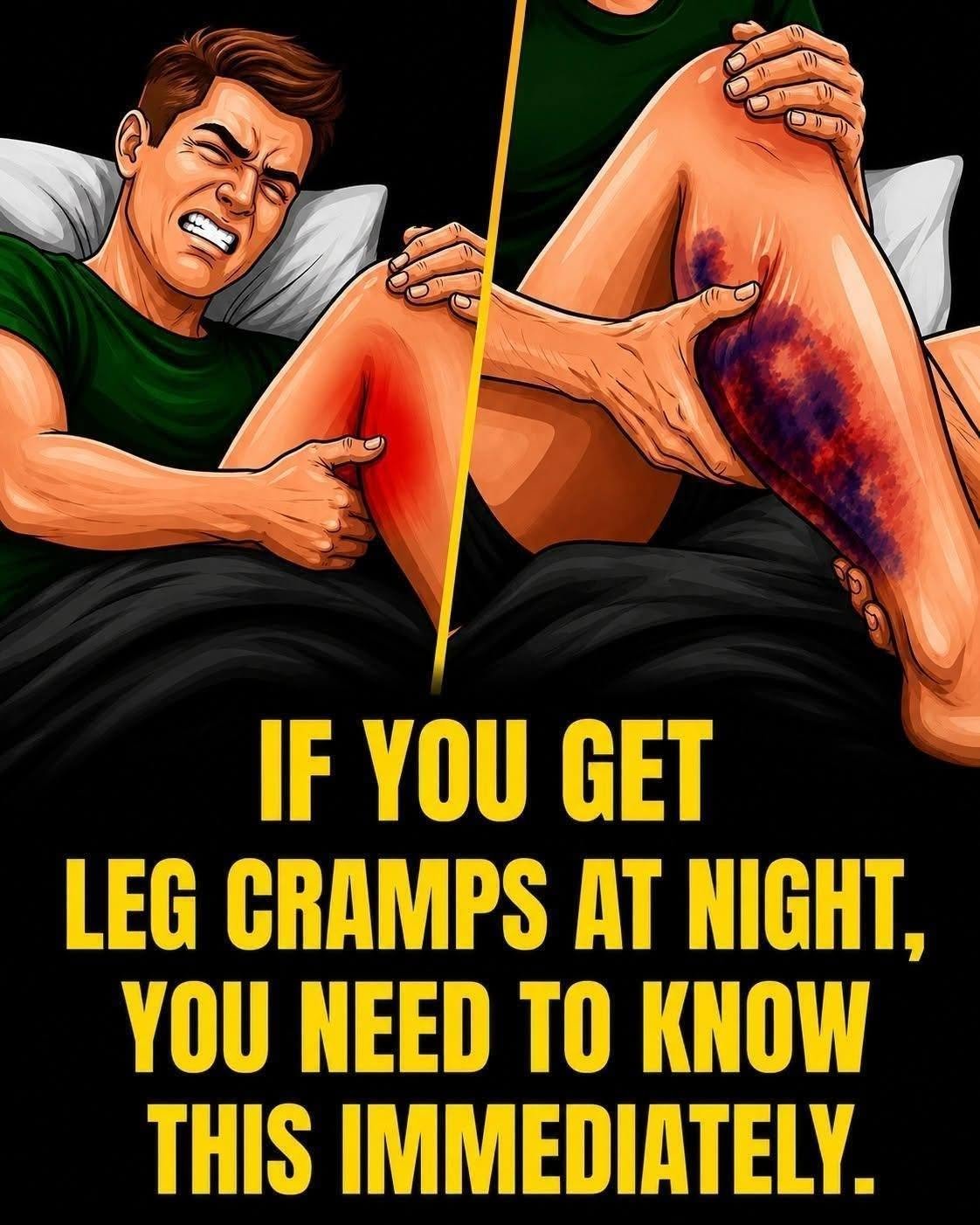
Nighttime leg cramps—often referred to as “charley horses”—are sudden, involuntary, and painful contractions of muscles in the calf, foot, or thigh during sleep or rest. While usually harmless, experiencing them frequently or severely is your body’s way of signaling underlying physiological imbalances or nerve/circulatory issues.
Immediate Action: How to Stop a Cramp in Seconds
When a cramp strikes in the middle of the night, taking these immediate steps can stop the muscle spasm:
-
Flex the Foot Upward: Straighten your leg and pull your toes pointed straight up toward your knee (dorsiflexion). This manually stretches the contracted calf muscle, signaling the reflex arc to release the spasm.
-
Put Weight on the Leg: Stand up and press your foot flat onto a cold floor. Firm ground pressure forces the calf and heel tendon (Achilles) into a lengthened state.
-
Apply Local Heat: Massage the knotted muscle firmly or press a warm heating pad/hot water bottle against the area to encourage blood flow back into the tissue.
The 6 Primary Root Causes of Nighttime Leg Cramps
1. Electrolyte Imbalances (Magnesium, Potassium, Calcium)
-
Why it happens: Minerals like magnesium, potassium, and calcium regulate nerve impulses and muscle relaxation. Low cellular levels cause nerve endings to become hyper-excitable, leading to spontaneous firing during rest.
2. Chronic Low-Grade Dehydration
-
Why it happens: Dehydration reduces fluid volume surrounding muscle cells, causing local tissue irritation and forcing muscles to contract prematurely under minimal nerve stimulation.
3. Muscle Fatigue & Prolonged Overuse
-
Why it happens: Unaccustomed heavy physical activity, prolonged standing on hard surfaces during the day, or intense workouts exhaust muscle glycogen reserves and strain motor units.
4. Sedentary Lifestyle & Shortened Tendons
-
Why it happens: Sitting for extended periods shortens the tendons and calf muscles over time. Sleeping with your feet pointed downward (plantarflexion) further shortens the calf, making it prone to sudden spasms when shifting position.
5. Medication Side Effects
-
Why it happens: Several common classes of prescription drugs alter fluid or electrolyte balances in muscle tissue, including:
-
Diuretics (fluid pills for high blood pressure)
-
Statins (cholesterol-lowering medications)
-
Asthma medications (beta-agonists)
-
ACE inhibitors & calcium channel blockers
-
6. Reduced Peripheral Circulation or Nerve Compression
-
Why it happens: Restricted blood flow through leg arteries (Peripheral Artery Disease / PAD) or compressed lumbar nerves (sciatica) limits oxygen delivery to leg muscles while resting, triggering painful protective spasms.
Prevention Strategies: Stop Cramps Before Sleeping
-
Nightly Calf Stretches: Perform a 30-second wall stretch for each calf before getting into bed to keep muscle fibers lengthened overnight.
-
Optimize Hydration & Minerals: Drink adequate water throughout the day and ensure your diet includes electrolyte-rich foods (bananas, leafy greens, avocados, nuts, seeds).
-
Adjust Sleeping Position: Avoid tightly tucked bed sheets that push your feet downward like a ballerina’s toes. Keep covers loose around your feet.
When to Consult a Doctor
Schedule a medical evaluation if your leg cramps:
-
Occur multiple times per week or disrupt your sleep regularly
-
Are accompanied by muscle weakness, persistent leg swelling, or numbness/tingling
-
Begin shortly after starting a new prescription medication
