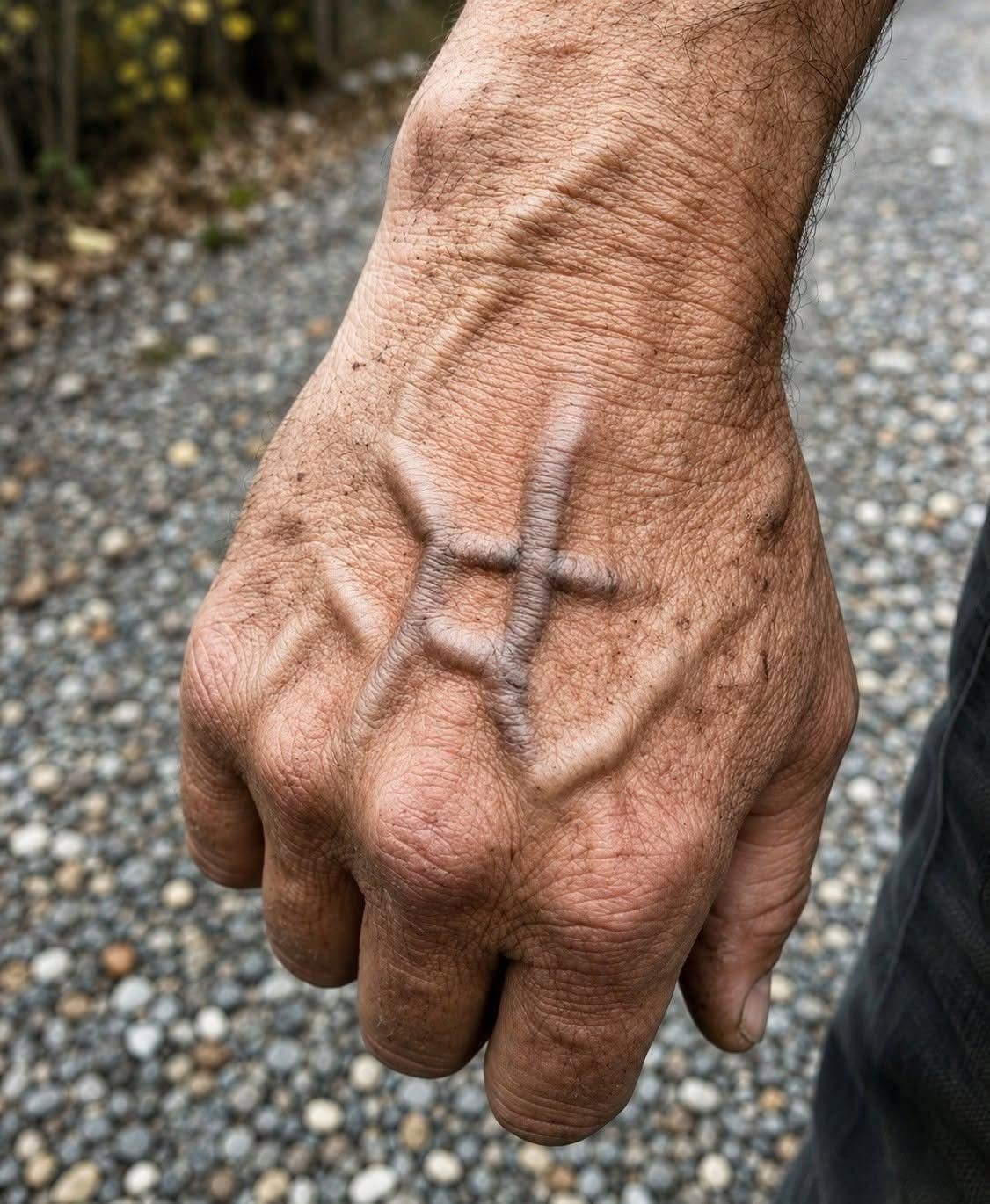
Cutting Through the Visible Veins Panic
Headlines or viral posts warning that “If you have visible veins, it means you are…” (usually followed by ominous claims about severe vascular disease, imminent organ failure, or terrible hidden deficiencies) are classic medical clickbait. They take a completely normal, natural anatomical variation and spin it into a scary health omen just to grab your attention.
In vascular medicine and dermatology, having visible veins is extraordinarily common, and in the vast majority of cases, it is simply a reflection of your unique physical anatomy rather than a crisis.
Why Are Veins Visible in the First Place?
When veins show clearly beneath the surface of the skin, it usually comes down to simple biology and structural factors rather than a mysterious pathology:
-
Low Body Fat Percentage:
-
The reality: Fat acts as a natural insulating cushion beneath the skin. Individuals who are lean, athletic, or have a naturally low body fat percentage will naturally have veins that are more prominent, especially on the hands, arms, legs, and chest. This is entirely normal and healthy.
-
-
Fair or Thin Skin:
-
The reality: Skin thickness and melanin levels vary widely from person to person. People with very fair or translucent skin have less pigment barrier, making the bluish-green hue of superficial veins much easier to see. As we age, skin naturally thins and loses collagen, making veins more apparent even if nothing is medically wrong.
-
-
Genetics and Anatomy:
-
The reality: Just like some people inherit curly hair or tall statures, genetics dictate the placement, depth, and branching patterns of your superficial venous system. Some families simply have prominent hand or temple veins.
-
-
Temporary Physical Stressors:
-
The reality: Exercising, working out in warm weather, or lifting heavy objects causes blood vessels to dilate (widen) to help cool the body down and deliver oxygen to working muscles, temporarily making veins swell and pop out.
-
When Do Visible Veins Actually Matter?
While routine, prominent veins are harmless, clinical medicine differentiates them from conditions that do require attention:
-
Varicose Veins: Unlike flat, visible superficial veins, varicose veins are enlarged, twisted, and bulging veins caused by weak or damaged valves inside the vessel (chronic venous insufficiency). They can cause aching, heaviness, or throbbing in the legs and warrant an evaluation by a vein specialist.
-
Spider Veins (Telangiectasias): These are tiny, thread-like networks of red or blue capillaries visible close to the skin’s surface. While primarily a cosmetic concern, they can occasionally be linked to underlying venous pressure.
A Practical Reality Check: If your veins are simply visible and you feel completely fine, your body is just showing its normal plumbing beneath the skin.
Did a sensational article or video pop up trying to diagnose you based on your skin, or are you noticing new changes in your veins?
