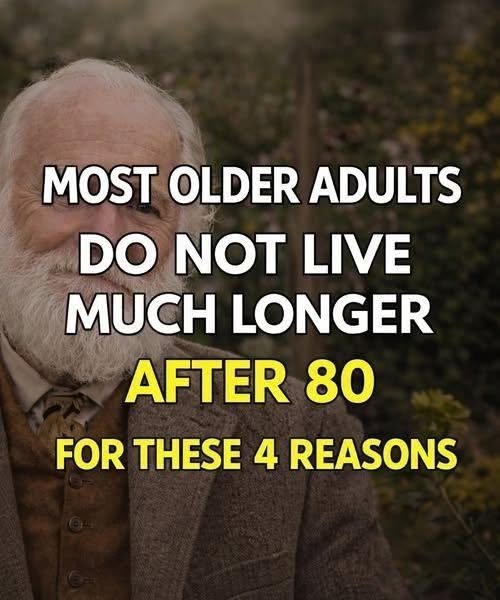
That headline frames aging as an abrupt cliff rather than a gradual biological process, relying on mild fatalism to catch your eye.
In clinical reality, life expectancy in many developed nations routinely crosses the 80-year mark, and global averages continue to climb thanks to modern healthcare and living standards. When individuals do experience a decline in longevity or health span, it isn’t due to an arbitrary biological expiration date at 80, but rather the cumulative impact of specific, manageable physiological pathways.
Here is the grounded, clinical reality behind the primary factors that influence health and longevity in later decades:
1. Cumulative Cardiovascular Disease and Arterial Aging
-
The Reality: Over decades, blood vessels naturally undergo wear and tear, accumulating micro-stiffening and atherosclerotic plaque. If left unmanaged, conditions like chronic hypertension, coronary artery disease, or heart failure significantly limit longevity.
-
The Clinical Countermeasure: Consistent blood pressure control, active cardiovascular management, and preventative medications (like statins when indicated) keep blood vessels resilient and dramatically lower cardiovascular risk.
2. Progressive Loss of Muscle Mass (Sarcopenia) and Frailty
-
The Reality: Without intentional physical activity, adults lose muscle mass and bone density year by year. Frailty leads to a higher risk of falls, severe fractures (such as hip fractures), and a cascading loss of independence that severely impacts overall survival.
-
The Clinical Countermeasure: Progressive resistance training, weight-bearing exercise, and adequate dietary protein intake preserve muscle tissue, bone strength, and metabolic resilience well into advanced age.
3. Metabolic Dysfunction and Chronic Low-Grade Inflammation
-
The Reality: Long-term exposure to poor dietary patterns, sedentary living, and insulin resistance can spark chronic, low-grade systemic inflammation (often called “inflammaging”). This accelerates cellular wear and tear, contributing to type 2 diabetes, kidney strain, and metabolic syndrome.
-
The Clinical Countermeasure: Maintaining metabolic health through a balanced, fiber-rich diet, stable blood sugar management, and regular movement counters this inflammatory spiral.
4. Cognitive Health and Neurovascular Maintenance
-
The Reality: Preserving neurological health relies heavily on maintaining healthy micro-circulation to the brain, managing risk factors like sleep apnea and hearing loss, and maintaining strong social and cognitive engagement.
-
The Clinical Countermeasure: Active mental stimulation, robust social networks, and aggressive management of vascular risk factors (since what is good for the heart is fundamentally good for the brain) help protect cognitive vitality.
The Takeaway: Crossing into your 80s and beyond isn’t a matter of luck dictated by a headline; it is the cumulative result of supporting your cardiovascular, muscular, and metabolic health over a lifetime.
Are you looking into longevity science to optimize your own routine, or did this existential headline catch your attention?
