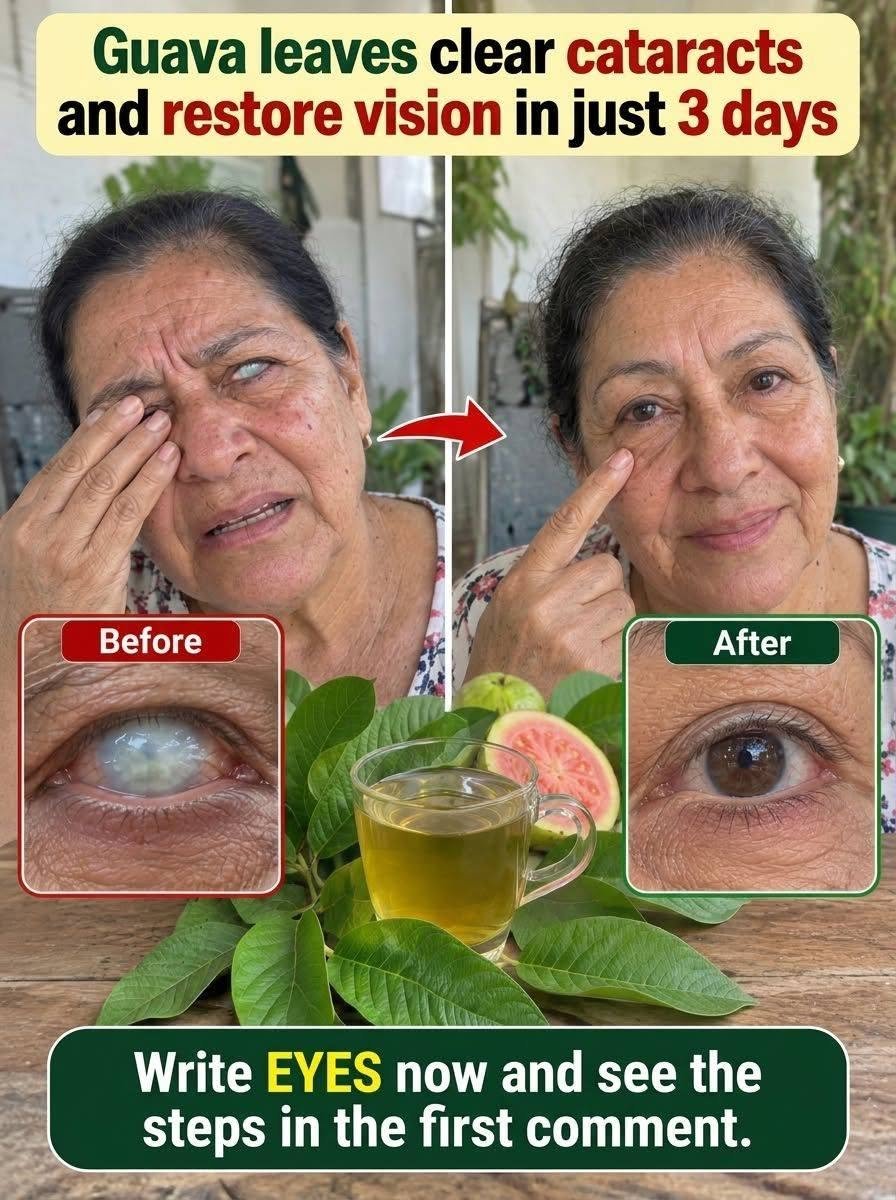
Claims that applying guava leaves or their extracts can cure blurred vision and clear up eye redness in just three days are another example of misleading online health trends. While guava leaves possess beneficial antioxidant and anti-inflammatory properties when consumed as part of a balanced diet, using them as an eye remedy is not only ineffective for clinical vision issues, but it is also potentially hazardous.
Here is why you should never put plant extracts or home remedies directly into your eyes:
The Vulnerability of the Eye
-
Risk of Contamination: Home preparations—such as boiled leaf water, fresh crushed leaves, or herbal teas—are not sterile. Introducing unsterilized organic matter, pollen, or microscopic bacteria directly onto the surface of the eye introduces a very high risk of severe microbial infection, corneal ulcers, and chemical irritation.
-
Why Vision Changes Need Professional Diagnosis: Blurred vision and redness are symptoms, not diseases in themselves. They can stem from minor issues like dry eye or allergies, but they can also signal serious conditions such as acute glaucoma, uveitis, corneal damage, or internal inflammation. Masking these symptoms with an unverified herbal wash delays proper medical treatment when time is of the essence.
-
The Myth of the 3-Day Miracle: Just like viral claims about rapid joint repair or instant weight loss, the “3-day cure” timeframe is a marketing hook designed to attract attention rather than a reflection of clinical reality.
Safe Practices for Eye Care
If you are experiencing persistent eye redness, irritation, or blurred vision, the safest and only medically sound approach is to consult an optometrist or ophthalmologist. They can properly diagnose the underlying cause—whether it requires lubricating drops, prescription medication, or a change in your daily routine—and ensure your vision remains protected.
Have you or someone you know been dealing with eye irritation or redness lately?
