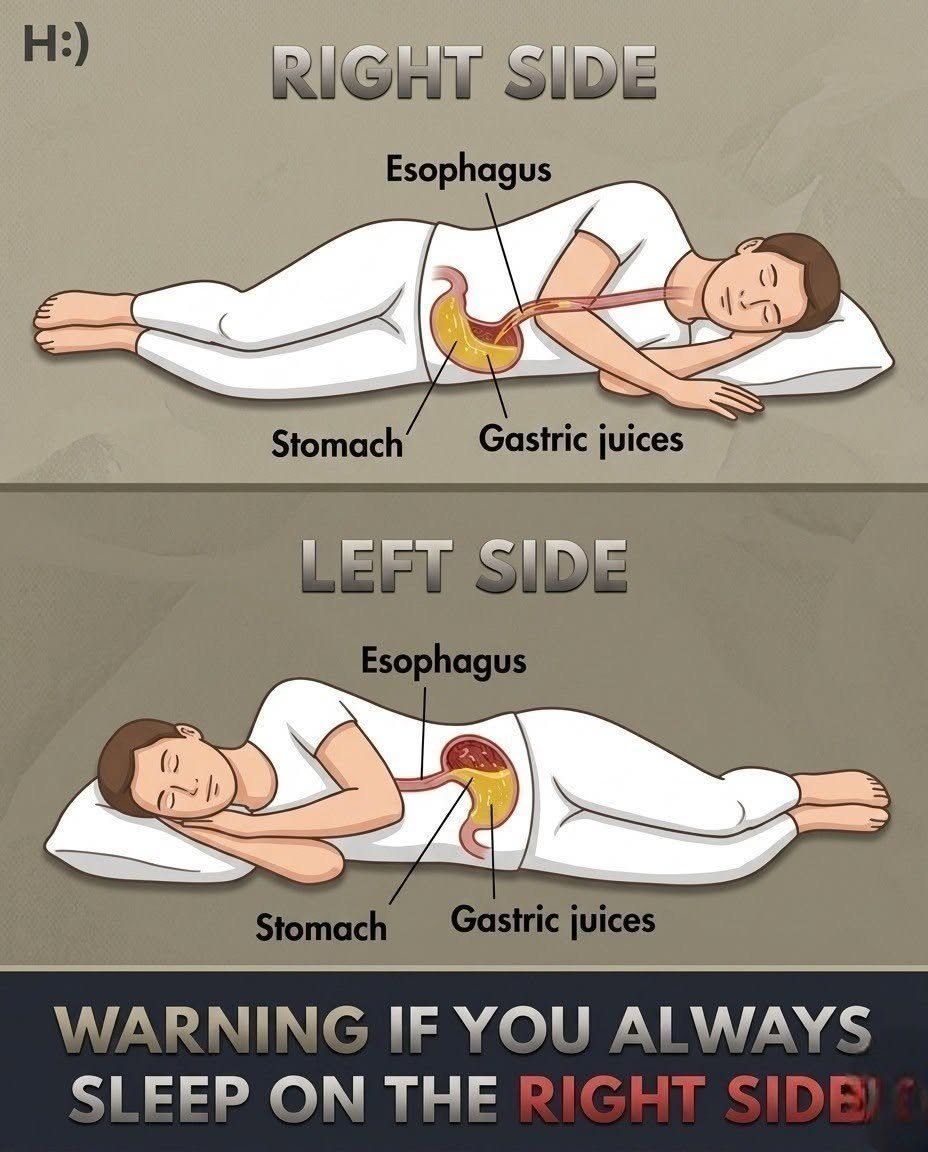
That headline is a masterclass in modern cliffhanger clickbait. By cutting off the sentence right before the revelation—“you should have…”—it uses a classic curiosity gap to manufacture instant panic, tricking you into believing that your innocent choice of sleep position is secretly destroying your health.
In clinical reality, sleep posture is a matter of personal comfort, biomechanics, and sometimes specific medical management (like acid reflux or pregnancy), not a ticking medical time bomb.
Here is the grounded, clinical reality behind side sleeping, what the internet loves to panic about, and what really matters:
1. The Internet’s Obsession with Sleep Sides
Clickbait articles love to pit the left side against the right side as if one is a moral failing:
-
The Left-Side Mythos: Articles often claim you must sleep on your left side to aid digestion or heart function, largely pointing to the stomach’s anatomical curve and gravity. While left-side sleeping can indeed reduce acid reflux episodes for some people (because the stomach sits lower than the esophagus), it is not a strict biological mandate for survival.
-
The Right-Side Panic: When clickbait turns its sights on the right side, it usually invents vague warnings about liver pressure, lymphatic drainage, or cardiac strain. In a healthy human body, your internal organs are safely suspended and protected by supportive tissues; changing sides at night does not cause your anatomy to collapse.
2. When Sleep Position Actually Matters (Clinical Exceptions)
While healthy sleepers can toss, turn, and sleep on whichever side feels most comfortable, doctors do occasionally recommend specific adjustments for certain medical conditions:
-
Acid Reflux (GERD): Left-side sleeping is often recommended because of the stomach’s geometry relative to the gastroesophageal junction, keeping acid below the valve.
-
Pregnancy: Pregnant individuals are generally advised to sleep on their left side later in pregnancy. This prevents the heavy uterus from putting direct pressure on the inferior vena cava (the large vein returning blood to the heart), which can otherwise cause dizziness or lower blood pressure.
-
Sleep Apnea: Back sleeping tends to worsen airway collapse due to gravity, so side sleeping is often encouraged to keep the airway open.
3. The Ultimate Rule of Sleep: Comfort Wins
Unless you are managing a specific condition like severe acid reflux or late-term pregnancy, your body’s innate desire for comfort is the best guide. If you wake up rested and pain-free, your sleeping position is doing its job.
The Takeaway: You don’t need a medical degree or a clickbait slideshow to tell you how to lie in bed. Sleep on whatever side lets you get a solid night’s rest.
Did your feed try to convince you that sleeping on your right side is a catastrophic mistake, or did it cut off right before selling you a special “posture-correcting” pillow?
