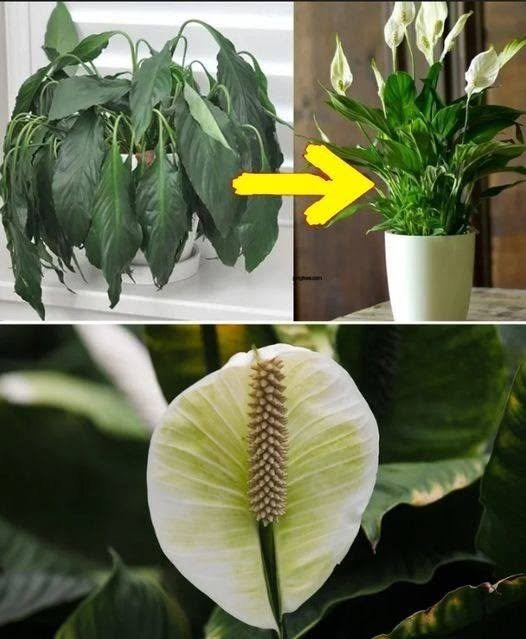
Viral gardening reels and clickbait plant care articles love to post mysterious videos telling you to “place a tablespoon of this magical substance on any plant at home” to instantly trigger explosive growth, stop root rot, or force a dying houseplant to bloom overnight.
Botanists, horticulturists, and plant scientists point out that while kitchen amendments can sometimes support plant health, dumping random household powders or liquids onto your soil based on a 15-second video often leads to disaster rather than a thriving garden.
What These Viral “Tablespoon” Hacks Usually Claim (And What Happens)
Depending on which specific internet video you stumble across, that “single tablespoon” usually refers to one of a few common kitchen items. Here is the botanical reality behind what actually happens when you apply them:
-
1. The Used Coffee Grounds Hack:
-
The viral promise: Add a tablespoon of used coffee grounds to the topsoil to instantly supercharge leafy growth with nitrogen.
-
The botanical reality: While coffee grounds do contain nitrogen, they are also quite acidic and pack down tightly when wet. Dumping wet grounds directly onto a potted plant creates a dense crust that blocks water and air from reaching the roots, frequently inviting surface mold and fungus gnats. (They are much better suited for an outdoor compost pile first).
-
-
2. The Cinnamon Powder Hack:
-
The viral promise: Dust a tablespoon of cinnamon onto the soil to cure all plant ailments.
-
The botanical reality: Ground cinnamon is a mild, natural antifungal agent that can help stop surface mold or protect a fresh stem cutting from rotting. However, dumping a heavy layer of it across a pot’s soil can form a solid barrier that suffocates the soil surface and blocks moisture absorption.
-
-
3. The Baking Soda / Vinegar “Miracle Tonic”:
-
The viral promise: Mix kitchen chemical reactions into your soil to feed your plants.
-
The botanical reality: This is a recipe for plant trauma. Baking soda is hyper-alkaline (just like it is on skin), and dumping it into potting soil will radically alter the soil pH, locking out essential nutrients and burning delicate root hairs.
-
Real, Evidence-Based Ways to Nourish Houseplants
If your indoor plants are looking sluggish or failing to bloom, they don’t need random internet concoctions. They rely on standard, predictable horticultural care:
-
1. Balanced, Water-Soluble Fertilizer: Instead of guessing with kitchen scraps, use a properly formulated, diluted liquid houseplant fertilizer during the active growing spring and summer months. This ensures they get a precise ratio of Nitrogen (for leaves), Phosphorus (for roots and blooms), and Potassium (for overall cellular health).
-
2. Proper Drainage and Aeration: Most struggling houseplants aren’t starving—they are drowning. Ensuring your pots have adequate drainage holes and using chunky, well-aerating soil (mixed with perlite or orchid bark) prevents root rot far better than any home remedy.
-
3. Light Optimization: No fertilizer or spoon trick can compensate for a plant sitting in a dark, windowless corner. Matching a plant’s light requirements (bright indirect light vs. low light) is the single biggest factor in whether it will thrive.
💡 The Big Takeaway
There is no universal “tablespoon of anything” that magically fixes every houseplant. Healthy plants require proper light, appropriate watering habits, and balanced nutrients tailored to their specific species.
Are you trying to revive a specific houseplant that’s giving you trouble, or did a viral gardening trick catch your eye?
