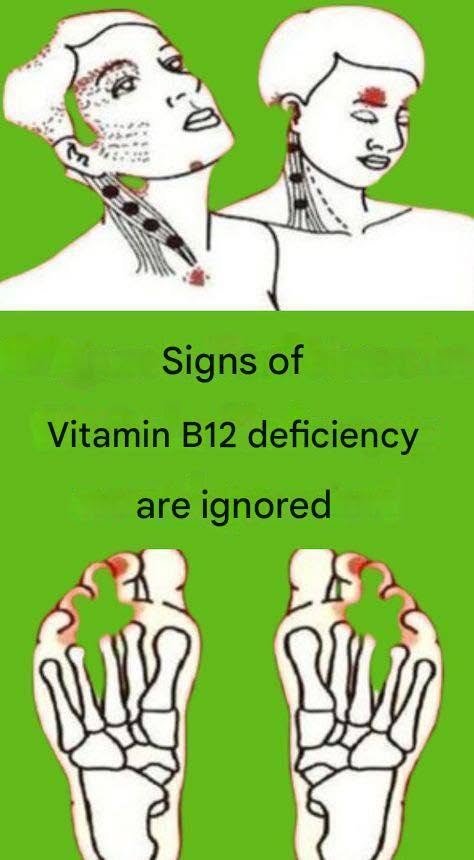
Why Vitamin B12 Deficiency Signs Are Often Ignored
Vitamin B12 is essential for nerve function, DNA synthesis, and the production of red blood cells. However, a deficiency can develop slowly over months or even years, allowing the body to subtly adapt to symptoms.
Common Signs That Go Unnoticed
-
Persistent Fatigue and Weakness: Often blamed on a busy lifestyle, lack of sleep, or simple burnout rather than poor cellular oxygenation.
-
“Brain Fog” and Memory Lapses: Frequently dismissed as normal aging, stress, or temporary distraction.
-
Tingling or Numbness in Hands and Feet: Often mistaken for poor circulation, carpal tunnel syndrome, or simply “sleeping” limbs.
-
Mood Changes (Irritability or Low Mood): Attributed entirely to psychological stress, anxiety, or work pressure without checking physiological causes.
-
Pale Skin or Mouth Ulcers: Mild pallor is easy to miss, and sore tongues or mouth cracks are often blamed on dehydration or minor irritations.
Why People Miss the Warnings
-
Insidious Onset: Because B12 stores in the liver can last for years, deficiency creeps up gradually, making the new baseline “normal” for the individual.
-
Vague Symptoms: Many signs overlap with stress, aging, iron deficiency, or chronic fatigue syndrome, leading to misattribution.
-
Dietary Assumptions: People who eat meat often assume they are immune, overlooking absorption issues (like pernicious anemia or age-related drops in stomach acid) that can affect anyone.
Note: If you suspect a deficiency, a simple routine blood test can check your B12 and folate levels. Untreated long-term deficiencies can lead to permanent neurological damage, so it is always worth discussing persistent symptoms with a healthcare professional.
What specific symptoms or changes in how you’ve been feeling prompted you to look into vitamin B12 today?
