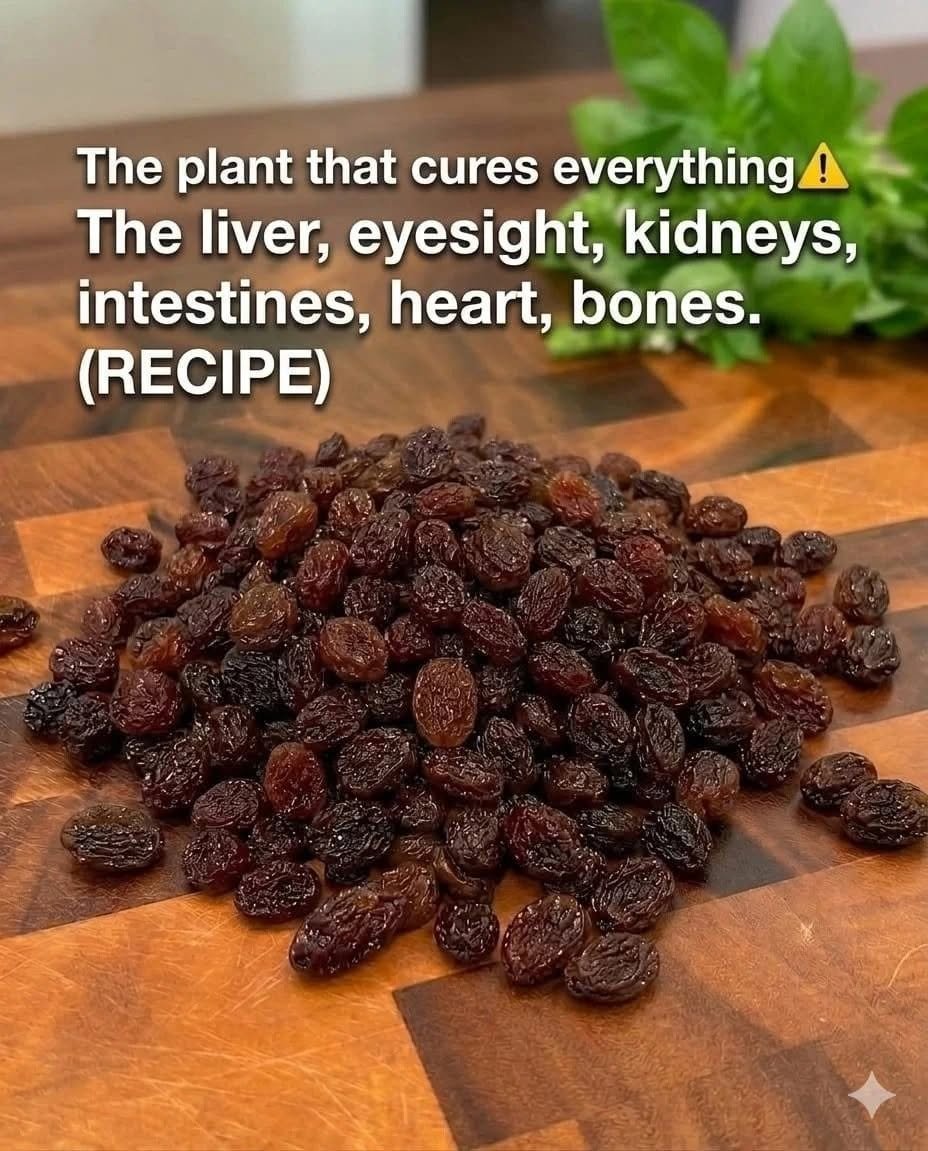
Viral wellness culture loves to latch onto a new “miracle plant” that promises to heal your liver, sharpen your eyesight, cleanse your kidneys, soothe your intestines, protect your heart, and strengthen your bones all at once.
Pharmacologists, clinical dietitians, and physicians view these sweeping claims as a red flag. From a scientific and medical standpoint, no single plant cures everything.
Why “Cure-All” Plant Claims Fall Short
When sensationalized articles promote a specific herb, weed, or exotic fruit as a universal remedy, they usually rely on a few common tactics:
-
Misinterpreting Petri Dish Science: A chemical compound extracted from a plant might show promising antioxidant or anti-inflammatory properties in a petri dish or an animal study. However, translating a microscopic lab reaction into a human cure for complex, multi-organ diseases is a massive scientific leap that rarely holds up in human clinical trials.
-
Confusing General Nutrition with Clinical Cures: Plants like leafy greens, garlic, berries, and turmeric are undeniably healthy. They provide essential vitamins, fiber, and antioxidants that support normal bodily functions and reduce chronic inflammation. But supporting general health is entirely different from curing a failing liver, kidney disease, or cardiovascular damage.
-
The Danger of Neglecting Real Treatment: The biggest risk of “cure-all” plant myths is that individuals may rely on unproven herbal concoctions instead of seeking proper medical diagnosis and evidence-based treatment for serious conditions.
How Real Organ Support Actually Works
Instead of looking for a single botanical magic bullet, medicine approaches health through targeted, organ-specific care:
-
For the Liver & Kidneys: These organs rely on proper hydration, avoiding toxic overloads (like unregulated supplements or excessive alcohol), and managing blood pressure and blood sugar.
-
For the Heart & Blood Vessels: Cardiovascular health is supported by regular physical movement, managing stress, and eating a balanced diet rich in soluble fiber (like oats, beans, and vegetables) to help regulate cholesterol.
-
For Bones & Intestines: Bones require adequate calcium, Vitamin D, and weight-bearing exercise, while the intestines thrive on a diverse array of dietary fibers to feed a healthy gut microbiome.
💡 The Big Takeaway
While eating a wide variety of whole plant foods is one of the best things you can do for your overall health, any headline claiming a single plant can cure your entire body is selling hype, not science. A balanced diet supports your organs; it doesn’t replace targeted medical care.
Did a specific plant or herbal remedy catch your attention online, or were you looking for evidence-based ways to support a particular organ’s health?
