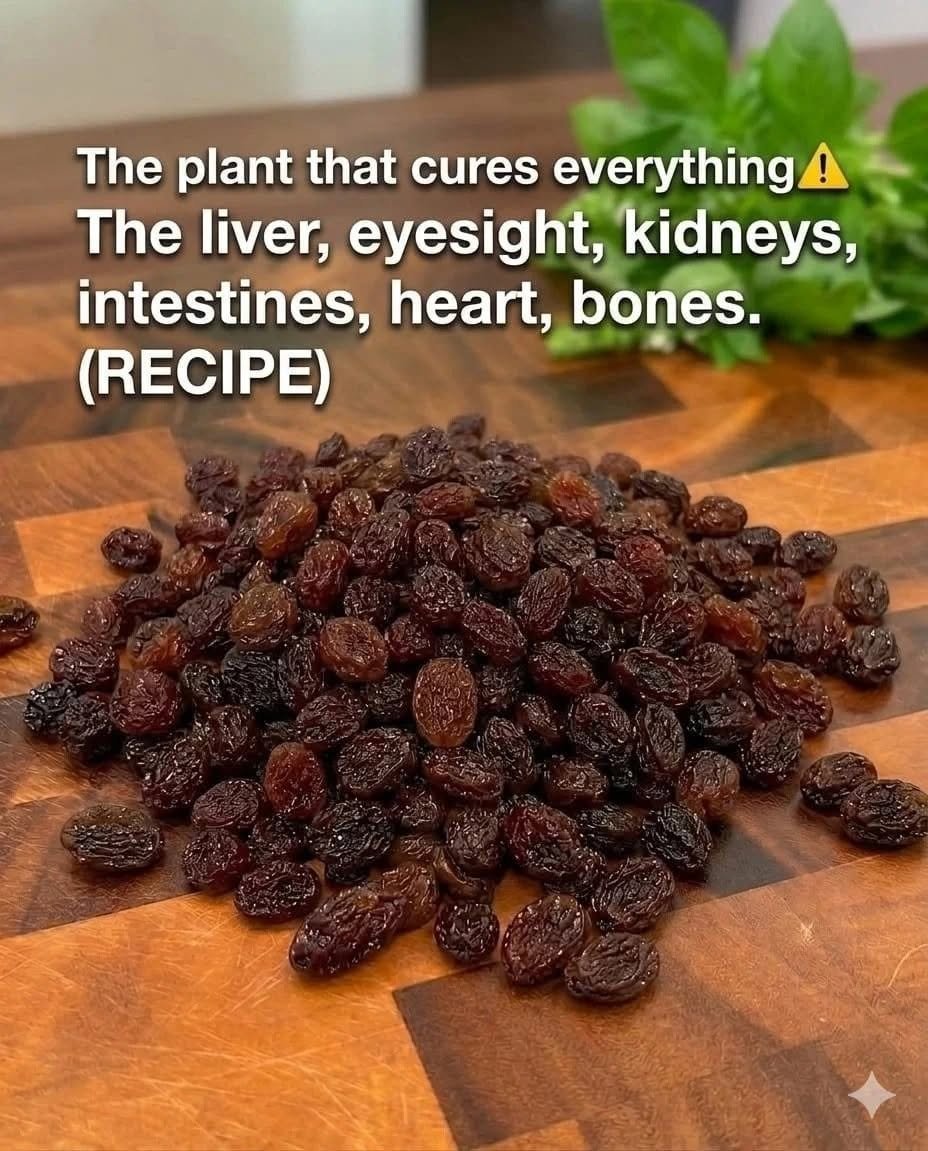
Viral health videos love to promise that a single, miraculous “super plant” can cure everything from liver disease and kidney failure to poor eyesight, heart conditions, and bone degeneration. Whether the video highlights moringa, dandelion root, soursop, or turmeric, the formula is always the same: a sweeping, grandiose claim that one humble herb renders modern medicine obsolete.
Pharmacologists, toxicologists, and medical professionals point out that while many plants contain genuinely beneficial compounds, the biological reality of human physiology is far more complex than any single green leaf can solve.
The Allure vs. The Biological Reality
-
Why Do These Claims Go Viral? People are naturally drawn to the idea of a simple, natural, side-effect-free remedy for complex chronic illnesses. It taps into ancient herbal traditions while offering a shortcut around the frustrations of conventional healthcare and pharmacology.
-
The Single-Target Illusion: The human body is made up of vastly different organ systems with entirely distinct biological mechanisms. A compound that stimulates a liver enzyme or provides an antioxidant cannot simultaneously rebuild bone matrix, structurally reshape eye lenses, clear blocked coronary arteries, and filter renal waste.
What Science Says About Popular “Miracle” Botanicals
Many popular plants do possess active phytochemicals studied in clinical research, but their actual effects are modest, specific, and vastly different from a “cure-all”:
-
Turmeric (Curcumin): Famous for anti-inflammatory properties, but curcumin has extremely poor bioavailability on its own and cannot reverse advanced heart disease or cure systemic organ failure without comprehensive medical management.
-
Milk Thistle (Silymarin): Often touted as a total liver cure, studies show it may offer mild supportive protection in certain types of liver damage (like toxins or hepatitis), but it cannot reverse cirrhosis or cure liver disease on its own.
-
Moringa: Often labeled a “miracle tree” because its leaves are rich in vitamins, minerals, and plant protein. While it is a nutritious addition to a balanced diet, it functions as a nourishing food—not a pharmaceutical cure for chronic pathology.
The Hidden Risks of “Cure-All” Herbal Remedies
Relying on an unregulated herbal “cure-all” instead of evidence-based medical treatment carries real dangers:
-
Drug-Herb Interactions: Many potent plant compounds interact directly with prescription medications (like blood thinners, statins, or blood pressure drugs), either neutralizing them or increasing their toxicity to dangerous levels.
-
Organ Strain: Ironically, taking concentrated, unregulated herbal concoctions to “fix” your liver or kidneys can sometimes cause acute liver or kidney injury due to heavy metal contamination, incorrect dosing, or chemical toxicity.
💡 The Big Takeaway
There is no single plant that cures everything. While whole foods and botanicals are a fantastic foundation for general wellness, true health management relies on targeted nutrition, professional medical diagnosis, and evidence-based treatments tailored to specific organ systems.
Are you interested in the real health benefits of certain culinary herbs, or did a sensational claim about a miracle plant catch your eye?
