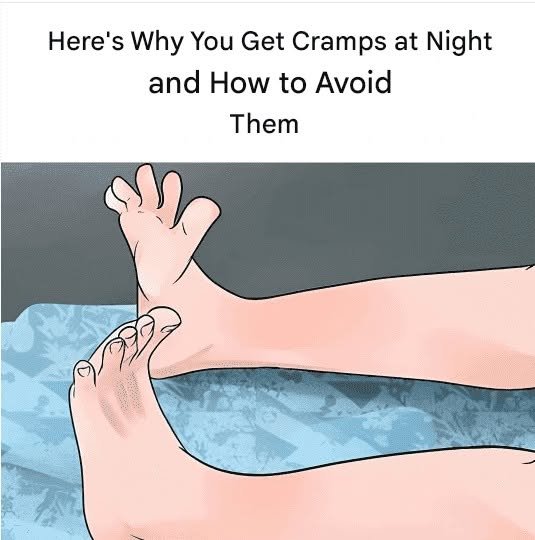
The Real Reasons Why We Get Cramps at Night
Waking up in the middle of the night with a muscle tightening into a painful knot—most commonly in the calf or the arch of the foot—is an jarring and intensely uncomfortable experience. While sensationalized wellness articles often point a single finger at dehydration or a simple lack of potassium, nocturnal leg cramps are usually the result of a combination of physiological triggers.
Understanding what is actually happening in your muscles and nerves can help you find real relief.
What Actually Happens During a Nighttime Cramp?
A muscle cramp is essentially an involuntary, sustained contraction of a skeletal muscle. When you sleep, your nervous system’s control over muscle relaxation can occasionally misfire, causing motor neurons to send repetitive, high-frequency electrical signals that force the muscle fibers to lock up rather than relax.
Key Triggers for Nocturnal Leg Cramps
-
1. Prolonged Muscle Shortening (Poor Posture in Bed):
-
The cause: If you sleep on your stomach with your toes pointed downward, or lie on your side with your feet curled, your calf muscles remain in a shortened position for hours. When you suddenly stretch or move, the muscle can violently spasm.
-
-
2. Dehydration and Electrolyte Shifts:
-
The cause: While simple dehydration is a classic culprit, specific shifts in vital electrolytes—namely magnesium, calcium, and potassium—play a massive role. These minerals are responsible for conducting the electrical impulses that tell muscles when to contract and when to release. When levels drop, misfires happen.
-
-
3. Overexertion or Muscle Fatigue:
-
The cause: Spending an unusually long time on your feet during the day, walking on uneven surfaces, or trying a new physical activity can leave muscles micro-fatigued, making them far more prone to cramping hours later when you rest.
-
-
4. Circulation and Vascular Changes:
-
The cause: Reduced blood flow to the lower extremities, which can become more common with age or minor vascular sluggishness, starves the muscle tissue of oxygen and nutrients, irritating the local nerves.
-
-
5. Medication Side Effects:
-
The cause: Certain prescription medications—particularly diuretics (“water pills” used for blood pressure or fluid retention), statins, and some asthma medications—can deplete key electrolytes or alter muscle function, triggering cramps as a side effect.
-
💡 Practical Ways to Prevent and Stop Nighttime Cramps
-
Gentle Pre-Bed Stretching: Spend 3 to 5 minutes doing a gentle wall stretch for your calves before getting into bed. This lengthens the muscle fibers and resets nerve tension.
-
Check Your Bedding Setup: Avoid heavy blankets tucked in too tightly at the foot of the bed, which can force your feet into a pointed-toe position all night long.
-
Targeted Nutrition and Hydration: Ensure you are drinking enough fluids throughout the day and including magnesium-rich foods (like leafy greens, pumpkin seeds, and almonds) in your meals. (As always, check with your doctor before adding supplements like magnesium if you have underlying kidney considerations).
-
In-the-Moment Relief: If a cramp strikes, resist the urge to panic. Immediately flex your foot upward (pulling your toes toward your shin) and gently massage the cramped muscle to help release the contraction.
Do these cramps happen to you primarily in your calves, or are they waking you up with tightness in your feet and toes?
