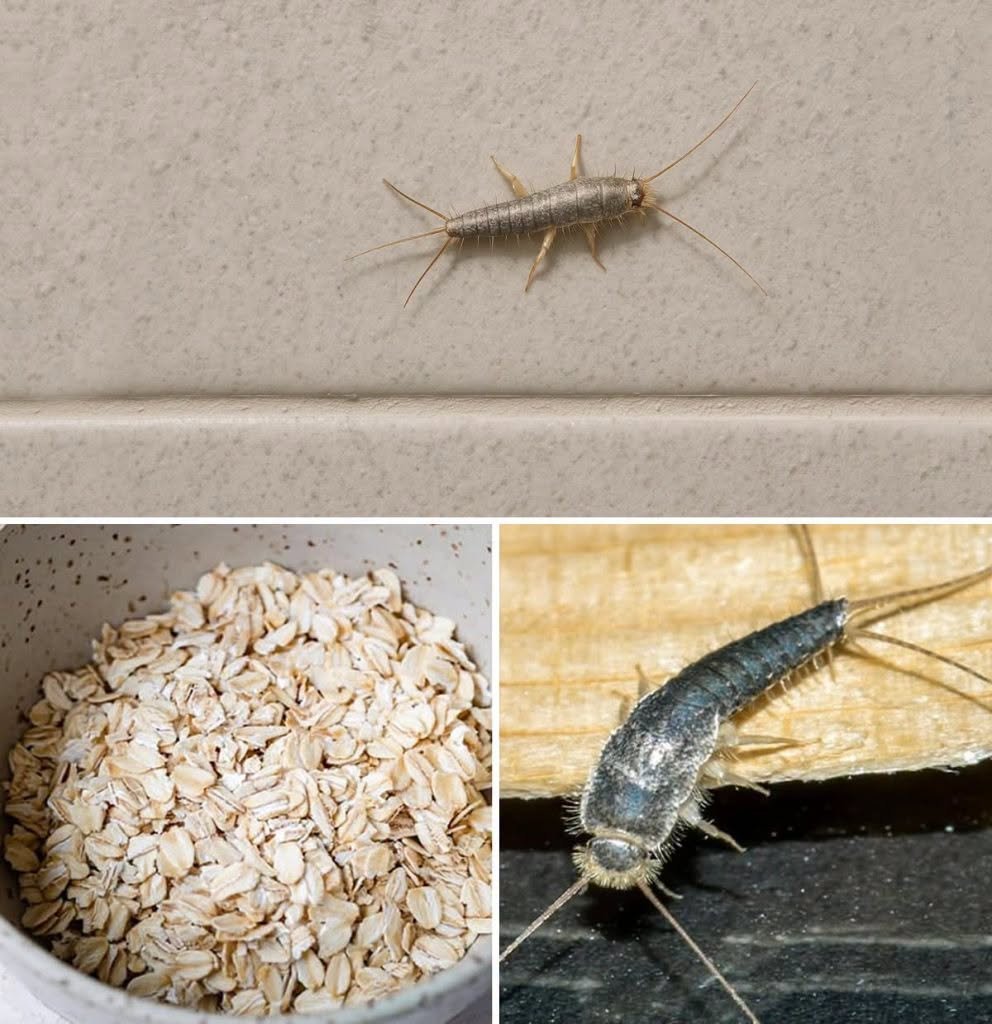
That classic pest-control headline points to a stealthy little household visitor: the silverfish.
While silverfish don’t bite, carry diseases, or sting, spotting them scuttling across your bathroom floor or darting out of a dark kitchen cabinet is a classic environmental warning sign. They aren’t just random bugs; they are bio-indicators telling you something specific about your living space.
If you find silverfish in your home, it’s a sign that you need to address hidden moisture and cut off their preferred food sources.
Here is what your home is trying to tell you when silverfish show up, and how to deal with them:
What Silverfish Are Warning You About
-
Chronic Humidity and Moisture Issues:Silverfish thrive exclusively in high-humidity environments (ideally 75% to 95% relative humidity) and cannot survive long in dry air. Spotting them usually means you have an unaddressed humidity problem—such as a slow plumbing leak under a sink, poor bathroom ventilation after hot showers, a damp basement, or condensation issues around windows.
-
Abundant Starches and Cellulose:Silverfish are voracious scavengers with unusual diets. They love feeding on complex carbohydrates, starches, and cellulose. This includes wallpaper paste, book bindings, old cardboard boxes, stored paper, cotton, linen, and even starchy debris like crumbs or dust in neglected corners.
Practical Steps to Clear Them Out
-
Drop the Indoor Humidity: Invest in a good hygrometer to monitor room humidity and run dehumidifiers in damp areas like basements, laundry rooms, or ground-floor bathrooms. Ensure exhaust fans run during and after showers.
-
Fix Leaks and Seal Entry Points: Check all pipes, faucets, and seals for subtle water leaks. Seal cracks in baseboards, window frames, and gaps around pipes where they enter walls.
-
Eliminate Their Pantry and Paper Buffet: Store dry goods (like flour, oats, and grains) in airtight glass or thick plastic containers rather than cardboard boxes. Clear out old stacks of newspapers, magazines, and damp cardboard from closets or storage areas.
-
Non-Toxic Maintenance (Baking Soda & Diatomaceous Earth): Keeping cleaning routines sharp with natural non-toxic agents (like wiping down surfaces and maintaining dry, clean spaces) naturally discourages them from lingering.
Have you spotted these silvery pests in a particularly damp area of the house, like a bathroom or basement?
