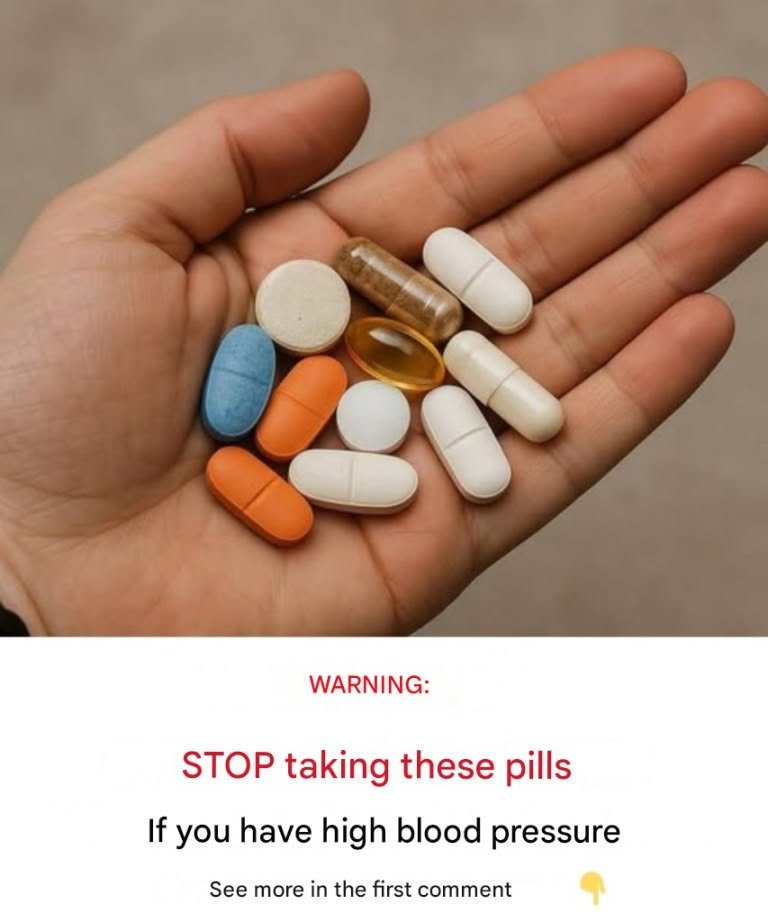
Viral health videos love to use screaming red capital letters and terrifying warnings to tell you that everyday over-the-counter medications are ticking time bombs waiting to blow up your blood pressure.
Cardiologists, general practitioners, and clinical pharmacists take a much more evidence-based, measured approach. While certain common medications can raise blood pressure or interfere with hypertension treatments, labeling them with a blanket panic-inducing “STOP taking these right now” can be dangerously misleading—and sometimes quitting a medication abruptly without medical guidance causes far worse problems.
The Common Pills That Affect Blood Pressure
When doctors talk about medications that impact blood pressure, they usually look at a few specific categories that people take regularly without thinking twice:
-
1. Non-Steroidal Anti-Inflammatory Drugs (NSAIDs):
-
Examples: Ibuprofen (Advil, Motrin), Naproxen (Aleve).
-
Why they affect BP: NSAIDs reduce inflammation by inhibiting certain chemical pathways, but in doing so, they can cause your kidneys to retain sodium and water while constricting blood vessels. For someone with well-controlled hypertension, frequent or daily NSAID use can quietly nudge blood pressure numbers upward and blunt the effectiveness of certain blood pressure medications (like ACE inhibitors or diuretics).
-
-
2. Decongestants:
-
Examples: Pseudoephedrine, Phenylephrine (found in many cold, flu, and sinus medications).
-
Why they affect BP: Decongestants work by causing blood vessels in your nasal passages to constrict (narrow) to stop swelling and congestion. Unfortunately, they don’t just target your nose—they can cause systemic vasoconstriction, leading to an acute spike in heart rate and blood pressure.
-
-
3. Dietary Supplements and Herbal Stimulants:
-
Examples: Ephedra (banned in many places, but found in some unregulated imports), high-dose licorice root, bitter orange, or heavy caffeine-based weight-loss pills.
-
Why they affect BP: Many unregulated “natural” energy or fat-burning supplements act as powerful stimulants, overworking the cardiovascular system and raising blood pressure.
-
-
4. Certain Prescription Medications:
-
Examples: Corticosteroids (like prednisone), certain hormonal treatments (like oral contraceptives), or some types of antidepressants.
-
Why they affect BP: These drugs alter fluid balance, metabolic processes, or nervous system tone, which can elevate blood pressure over time.
-
Why “Stopping Immediately” Can Be Dangerous
The biggest flaw in viral health warnings is telling people to instantly throw away their medicine cabinet contents without context:
-
Rebound and Underlying Conditions: If a patient stops a necessary prescription medication abruptly because of a sensational internet video, they risk severe flare-ups of their underlying condition.
-
The Safer Alternative: Managing blood pressure isn’t about panicking over a single dose of ibuprofen; it is about awareness and communication. If you have hypertension and need to take a cold medicine or an anti-inflammatory for a temporary injury, the right move is to check with your pharmacist or doctor for a safer alternative (such as using acetaminophen instead of an NSAID, or a non-decongestant cold remedy).
💡 The Big Takeaway
Certain everyday pills—especially NSAIDs and decongestants—can indeed raise blood pressure and interfere with hypertension management. But instead of reacting to panic-driven internet warnings, review your over-the-counter habits with your doctor or pharmacist to find safe swaps that protect your heart.
Are you managing high blood pressure and trying to figure out which cold meds or pain relievers are safe to use, or did a dramatic headline catch your eye?
