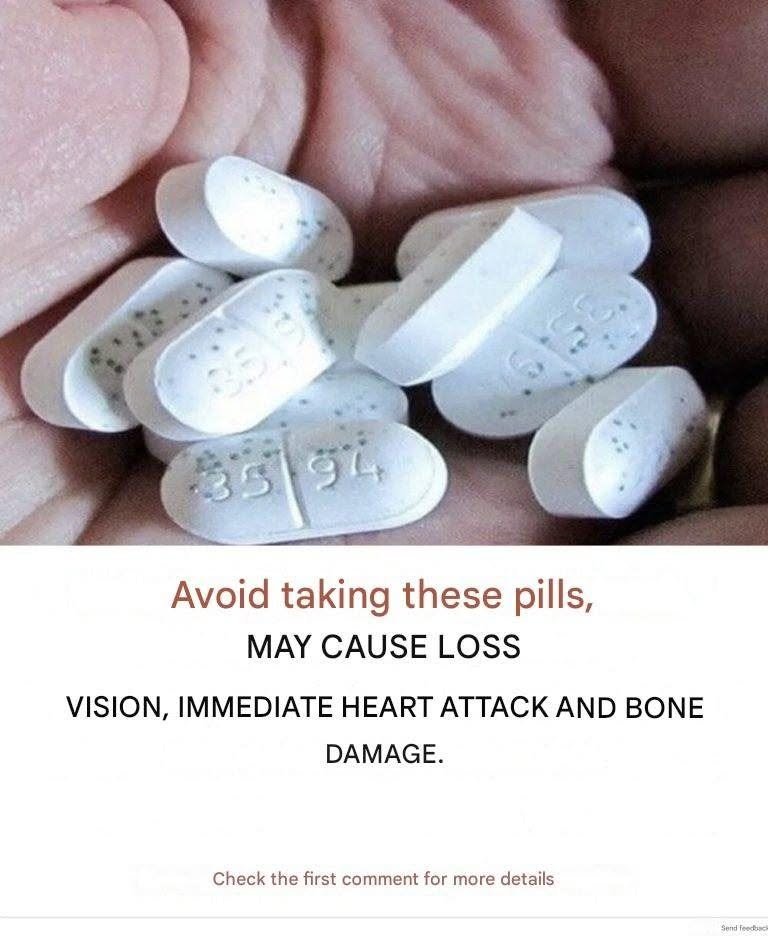
That all-caps, flashing-red-light headline—“WARNING! THESE TABLETS CAN CAUSE BLOOD CLOTS, BLOOD THROMBOTS, AND HEART ATTACKS”—is the absolute pinnacle of pharmaceutical scaremongering. It uses maximum-fear language (redundantly throwing in “blood clots and blood thrombots,” which are the exact same thing) to target anyone taking common medications, instantly triggering the worst-case health anxiety.
When you strip away the tabloid panic and look at how clinical pharmacology actually evaluates medications, the reality is starkly different. In medicine, every active drug carries a risk profile, but the way online fear-mongering twists those risks is designed for clicks, not clinical accuracy.
Here is what is actually happening behind those dramatic warnings, and how real medicine evaluates medication safety:
The Reality Behind Drug Warnings and Blood Clots
-
The “Rare Side Effect” Trap:
-
The Pharmacology: Virtually every systemic medication—from common birth control pills to hormone replacement therapy, certain anti-inflammatory drugs, or specific classes of prescription meds—lists blood clots (thromboembolism) or cardiovascular events as potential rare side effects on its official safety label. Regulatory agencies (like the FDA) require manufacturers to disclose every adverse event reported during clinical trials, no matter how rare.
-
The Misrepresentation: Clickbait takes a side effect that occurs in a tiny fraction of a percent of patients (often under specific risk conditions, like smoking or preexisting clotting disorders) and frames it as an inevitable ticking time bomb for anyone who pops the pill.
-
-
Absolute Risk vs. Relative Risk:
-
The Statistics: If a medication doubles your baseline risk of a rare event, online articles scream that your risk has “increased by 200%!” Sounds terrifying, right? But if your baseline risk of that event was 1 in 10,000, a 200% increase means your new risk is 3 in 10,000. Context matters entirely, but sensational headlines deliberately omit the raw numbers.
-
How Clinicians Actually Evaluate Medication Risks
Doctors and clinical pharmacologists don’t look at medications through the lens of internet panic; they look at a continuous risk-benefit ratio:
-
Individual Risk Factors: A medication that carries a mild clotting risk might be completely safe for one person, but entirely inappropriate for someone with a personal history of deep vein thrombosis (DVT), a genetic clotting disorder, or someone who smokes and is over a certain age.
-
Never Stop Medication Cold Turkey Based on a Headline: Stopping a prescribed medication abruptly because a sensational article scared you can often trigger a rebound effect that is far more dangerous than the rare side effects listed on the warning label.
The Takeaway
If a medication carries genuine vascular risks, your prescribing doctor or pharmacist evaluates those risks against your personal medical history before you ever pick up the prescription. Real medical safety is managed through clinical oversight and lab monitoring, not capitalized internet warnings.
Are you looking into the safety profile of a specific medication you’ve been prescribed, or navigating another piece of dramatic health media?
