Atorvastatin (commonly known by its brand name, Lipitor) is one of the most widely prescribed medications in the world. It belongs to a class of drugs called statins, which are primarily used to manage cholesterol levels and protect long-term cardiovascular health.
Understanding how atorvastatin works helps clarify why physicians prescribe it so frequently as a cornerstone of preventative medicine.
What Is Atorvastatin and How Does It Work?
-
The Cholesterol Factory: While we consume cholesterol in our diets, the vast majority of the cholesterol in our bodies is actually produced internally by the liver.
-
Targeting the Enzyme: Atorvastatin works by competitively inhibiting HMG-CoA reductase, a key enzyme in the liver that drives cholesterol production. By blocking this enzyme, the drug successfully reduces the amount of cholesterol your liver manufactures.
-
Clearing the Bloodstream: To compensate for the drop in internal production, your liver cells increase the number of receptors on their surfaces. These receptors pull LDL (“bad” cholesterol) directly out of your bloodstream, significantly lowering circulating levels.
Why Is It Commonly Prescribed?
Physicians prescribe atorvastatin for two primary reasons: managing abnormal lipid levels (dyslipidemia) and preventing serious cardiovascular events.
-
1. Lowering “Bad” Cholesterol and Triglycerides: It is prescribed to patients whose blood panels show high levels of total cholesterol, low-density lipoprotein (LDL), and triglycerides, which are primary drivers of arterial plaque buildup.
-
2. Preventing Heart Attacks and Strokes (Primary Prevention): Even if someone has normal cholesterol levels, doctors frequently prescribe atorvastatin to patients with significant cardiovascular risk factors—such as type 2 diabetes, high blood pressure, or a family history of early heart disease—to dramatically lower their lifetime risk of a heart attack or stroke.
-
3. Secondary Prevention (Protecting Hearts Post-Event): For patients who have already experienced a heart attack, stroke, stent placement, or diagnosed coronary artery disease, atorvastatin stabilizes existing plaque deposits inside the blood vessels and prevents future catastrophic blockages.
Important Clinical Considerations
-
You Won’t “Feel” It Working: Because high cholesterol is entirely asymptomatic, taking atorvastatin won’t give you a sudden burst of energy or make you feel physically different. Its success is measured entirely through follow-up blood lipid panels.
-
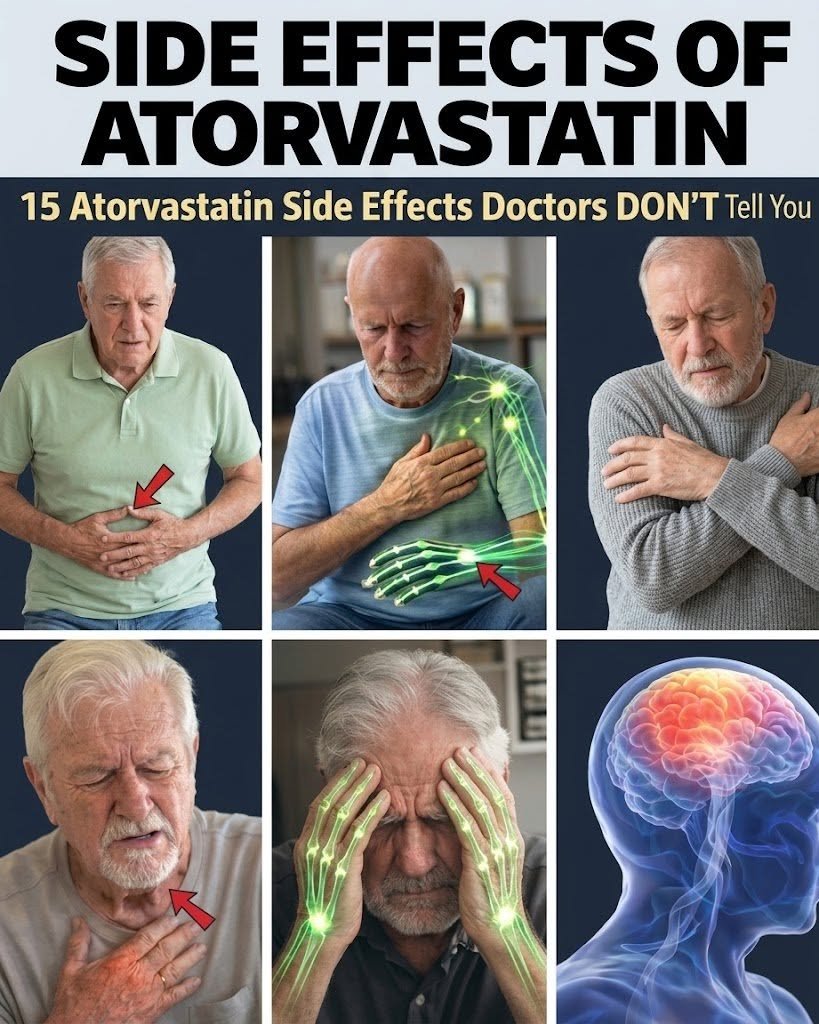
Monitoring and Side Effects: While generally well-tolerated, statins can occasionally cause side effects such as muscle aches, mild digestive upset, or elevated liver enzymes. Regular blood monitoring helps ensure the medication is safe and effective for your body.
💡 The Big Takeaway
Atorvastatin is a powerful, evidence-based medication that blocks internal cholesterol production, helping to clear harmful fats from the bloodstream and protect millions of people from heart attacks and strokes.
Are you or someone you know starting a new prescription for atorvastatin, or were you curious about how statins protect heart health?
