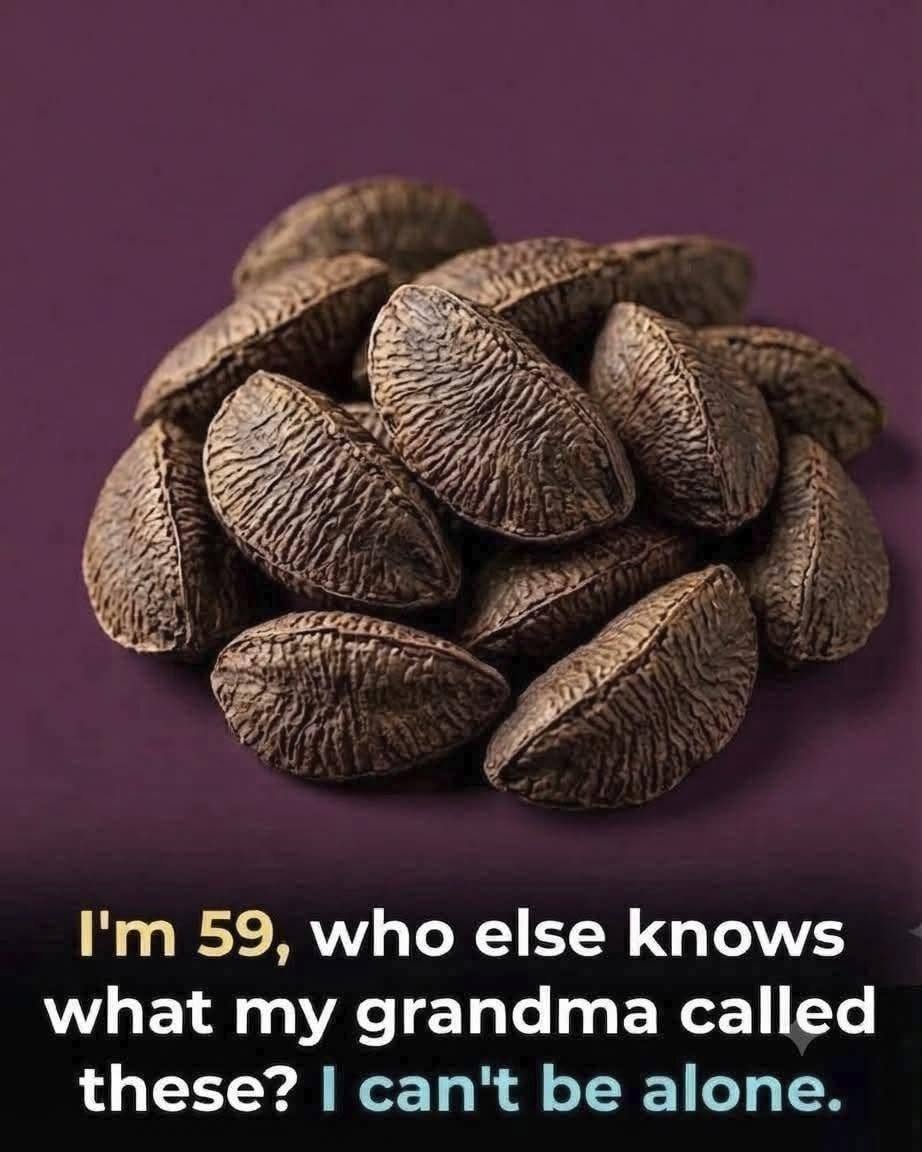
That headline is the ultimate curiosity-gap cliffhanger. By leaning into pure psychological bait—flirting with your ego by telling you “You probably don’t know what it’s called” and dangling the promise of secret knowledge about “amazing uses”—it guarantees that your scrolling momentum is halted by sheer defensive curiosity.
In the ecosystem of digital wellness and lifestyle media, this specific rhetorical formula is a staple. It is designed to weaponize the “information gap theory of curiosity,” a psychological principle stating that when people perceive a gap between what they know and what they want to know, it creates a feeling of deprivation that compels them to seek out the missing information.
To understand why these hooks are so pervasive and what they are actually trying to achieve, it helps to dissect the mechanical framework behind them:
1. The Psychology of the Curiosity Gap and Ego Bait
-
The Defensiveness Trigger: Telling an adult user that they “probably don’t know” something mundane or obscure creates an immediate, low-stakes cognitive itch. Your brain instinctively wants to check the claim, either to confirm your knowledge or to learn something new just in case.
-
The Escalation of Promise: By labeling everyday items as possessing “amazing uses,” the headline sets expectations at an impossible height. It transforms a standard household object into an esoteric artifact, suggesting that you have been living your life at a functional disadvantage simply because you lacked this one piece of secret trivia.
2. The Usual Suspects: What These Items Actually Turn Out to Be
When you break down the multi-page slideshows, video essays, or sponsored articles that follow this type of headline, the “mysterious item” almost always falls into one of three predictable categories:
-
The Repurposed Pantry Staple: An ordinary kitchen ingredient—such as cream of tartar, apple cider vinegar, baking soda, or cornstarch—rebranded as a “lost ancient remedy” or a “secret cleaning weapon” that major industries don’t want you to know about.
-
The Obscure Botanical or Herb: A minor root or plant extract given a dramatic backstory, inflated medicinal properties, and an expensive online retail link to capitalize on the wellness trend cycle.
-
The Mundane Household or Kitchen Gadget: A specialized tool—like a cherry pitter, a citrus zester, or a bench scraper—presented as a life-changing life hack that will completely revolutionize how you cook or clean.
3. How to Navigate the Noise
The next time an algorithm tries to gatekeep a household item or a piece of trivia behind an ominous cliffhanger, remember that utility rarely requires a marketing mystery. If an object or ingredient genuinely possesses a useful application, it can be shared transparently without demanding a click-through penalty.
The Takeaway: If a headline has to rely on telling you what you don’t know rather than showing you what it has, it is selling an emotional curiosity trap, not practical knowledge.
Did your feed try to gatekeep a bizarre kitchen gadget, a secret pantry superfood, or some forgotten household tool today?
