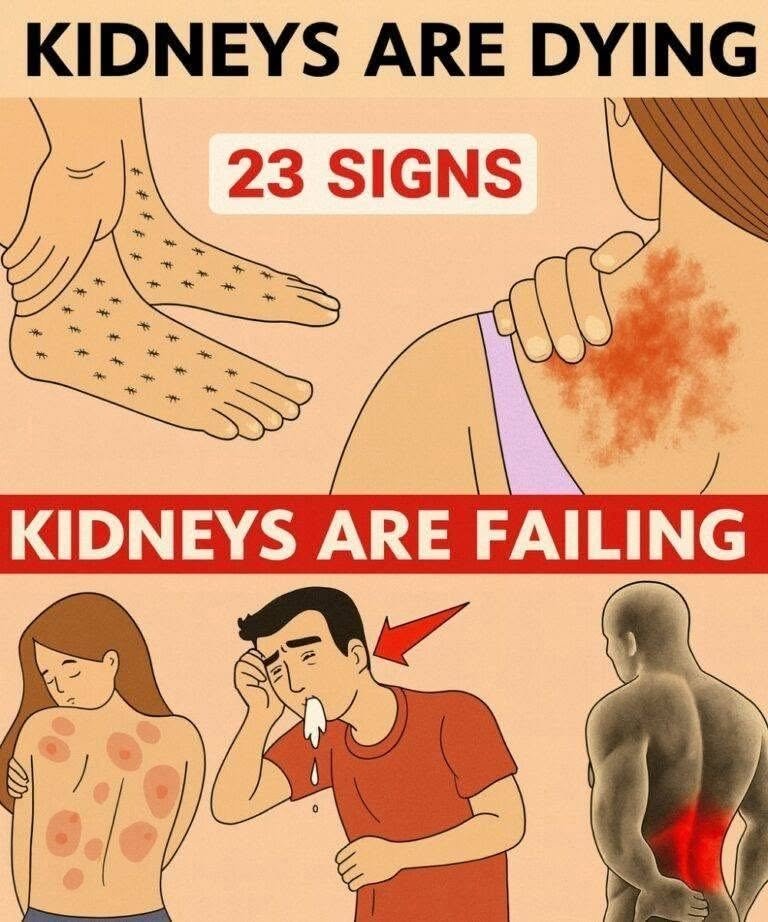
Viral health lists love to throw out a massive inventory of “strange signs” your organs are failing—ranging from weird hair textures to random eye twitches—all to generate panic and click traffic.
Nephrologists and primary care physicians take a much more methodical, evidence-based approach. Because the kidneys are silent workhorses that filter toxins, balance electrolytes, and regulate blood pressure, they often compensate remarkably well until damage is quite advanced. However, when kidneys genuinely struggle, they tend to manifest a specific, recognizable set of clinical warning signs rather than dozens of vague oddities.
The Real Signs Your Kidneys Are Struggling
When nephrologists look for early indicators of renal impairment, they focus on systemic shifts caused by fluid overload, waste accumulation (uremia), and protein leakage:
-
1. Persistent Periorbital Edema (Swelling Around the Eyes):
-
The Clinical Reality: Damaged kidneys leak large amounts of protein (albumin) from the blood into the urine rather than keeping it in your circulatory system. Losing this protein causes fluid to shift out of your blood vessels and pool in soft tissues, notably causing noticeable puffiness around your eyes, especially in the morning.
-
-
2. Swelling (Edema) in the Ankles, Feet, and Hands:
-
The Clinical Reality: As kidney function declines, your body cannot efficiently excrete extra sodium and water. This fluid buildup settles gravitationally into your lower extremities, leaving indentations when you press on the skin (pitting edema).
-
-
3. Profound Fatigue and Generalized Weakness:
-
The Clinical Reality: Healthy kidneys produce a vital hormone called erythropoietin (EPO), which signals your bone marrow to make red blood cells. When kidneys are failing, EPO production drops, leading to anemia. This results in heavy, persistent exhaustion that sleep cannot fix.
-
-
4. Foamy, Bubbly, or Frothy Urine:
-
The Clinical Reality: If you notice your urine consistently looks like scrambled eggs or foamy beer, it is often a sign of excess protein (proteinuria) hitting the toilet bowl. Normal urine should rarely foam heavily.
-
-
5. Persistent Itchiness (Uremic Pruritus):
-
The Clinical Reality: When kidneys fail to filter out waste effectively, a buildup of toxins and an imbalance of minerals like phosphorus and calcium accumulate in the bloodstream, triggering deep, relentless skin itching that topical lotions cannot fix.
-
-
6. Metallic Taste in the Mouth or Ammonia Breath:
-
The Clinical Reality: A buildup of urea in the blood (uremia) can alter your sense of taste, make meat unappealing, cause bad breath, and leave a persistent metallic or unusual taste in your mouth.
-
Why Panic and “Strange Sign” Lists Fall Short
Sensationalized articles often list normal occurrences—like occasional back aches or dark urine from a simple morning dehydration—as signs of kidney failure.
-
The Overlap: Lower back ache is almost always muscular or spinal, not renal (true kidney pain is felt deeper in the flank, wrapping around the side, and is typically accompanied by fever or changes in urination).
-
The Definitive Test: You cannot diagnose kidney health by looking for “strange signs” in a mirror. Kidney disease is called a silent killer because it often has zero symptoms in early stages. The only true way to check your renal health is through a routine blood test (eGFR / Creatinine) and a simple urine test for protein.
💡 The Big Takeaway
Real kidney distress announces itself through systemic fluid retention, persistent fatigue from anemia, foamy protein leakage, and changes in electrolyte balance—not random, quirky bodily quirks. If you have risk factors like high blood pressure or diabetes, routine annual lab work is your best defense.
Are you looking into kidney health because of specific symptoms you’ve noticed, or were you evaluating a health claim you read online?
