That classic teaser hook—“If your hands are going numb, here’s what it means”—is designed to instantly trigger the worst kind of health anxiety. By treating a common physical sensation like a mysterious harbinger of doom, it bypasses straightforward clinical neurology in favor of clickbait suspense.
When you strip away the dramatic preamble and look at what neurologists and orthopedic specialists actually evaluate, hand numbness (paresthesia) is an extremely common symptom with a wide range of very ordinary causes, as well as a few specific patterns that require professional attention.
Here is what is happening physiologically when your hands go numb, separating everyday nerve compression from true medical red flags:
The Physics and Biology of Hand Numbness
-
Mechanical Nerve Compression (The “Asleep” Hand):
-
The Mechanism: Your hands are a complex network of nerves (primarily the median, ulnar, and radial nerves) branching all the way from your cervical spine down your arm. When you sleep in an awkward position, lean on your elbows for too long, or carry a heavy bag, you temporarily compress one of these nerve trunks or cut off its local blood supply. Once the pressure is relieved, blood rushes back and the nerves “wake up” with that familiar, prickly tingling sensation.
-
-
Anatomical Entrapment Syndromes (Carpal Tunnel):
-
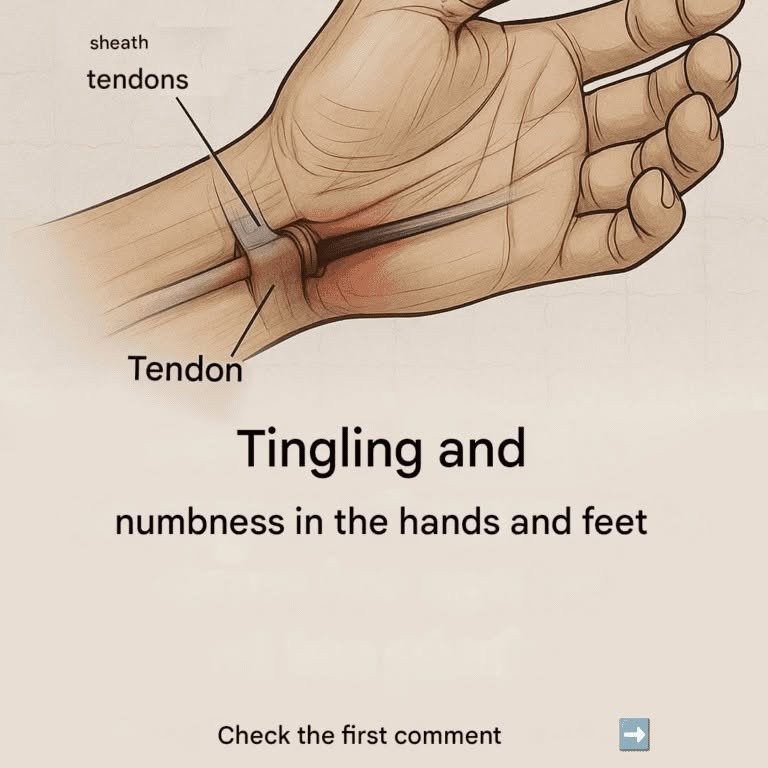
The Mechanism: Chronic numbness or tingling, especially waking up regularly with numb fingers, is often tied to physical entrapment. For example, carpal tunnel syndrome happens when the median nerve is squeezed as it passes through the narrow carpal tunnel in your wrist due to inflammation, repetitive motion, or fluid retention.
-
Benign Quirks vs. True Clinical Signals
While sensationalized articles want you to panic every time your hand feels slightly fuzzy, clinical medicine looks at specific patterns, persistence, and location:
-
Normal vs. Temporary: If your hand falls asleep because you were leaning on your arm and the sensation disappears within a minute or two of moving, it is just a brief mechanical pinch. It means your nervous system is doing its job warning you that pressure was applied.
-
When to See a Doctor (True Red Flags):
-
Persistent or Worsening Numbness: If numbness becomes a daily occurrence, wakes you up at night consistently, or affects your grip strength (causing you to drop items), it points to chronic nerve compression like carpal tunnel or a pinched nerve in the neck (cervical radiculopathy) that warrants a medical evaluation.
-
Sudden One-Sided Numbness: If numbness happens suddenly and affects an entire arm or one entire side of your body—especially when paired with facial drooping, speech difficulty, or confusion—that is an acute neurological emergency requiring immediate evaluation (remembering the FAST stroke protocol).
-
The Takeaway
Waking up with a numb hand usually just means your arm was in a funky position or a nerve was temporarily pinched. You don’t need a panic-driven internet diagnosis, though persistent or sudden neurological changes are always worth discussing with a healthcare professional.
Are you experiencing a lingering hand numbness after a long day of typing or sleeping, or tracking down another piece of dramatic health media?
