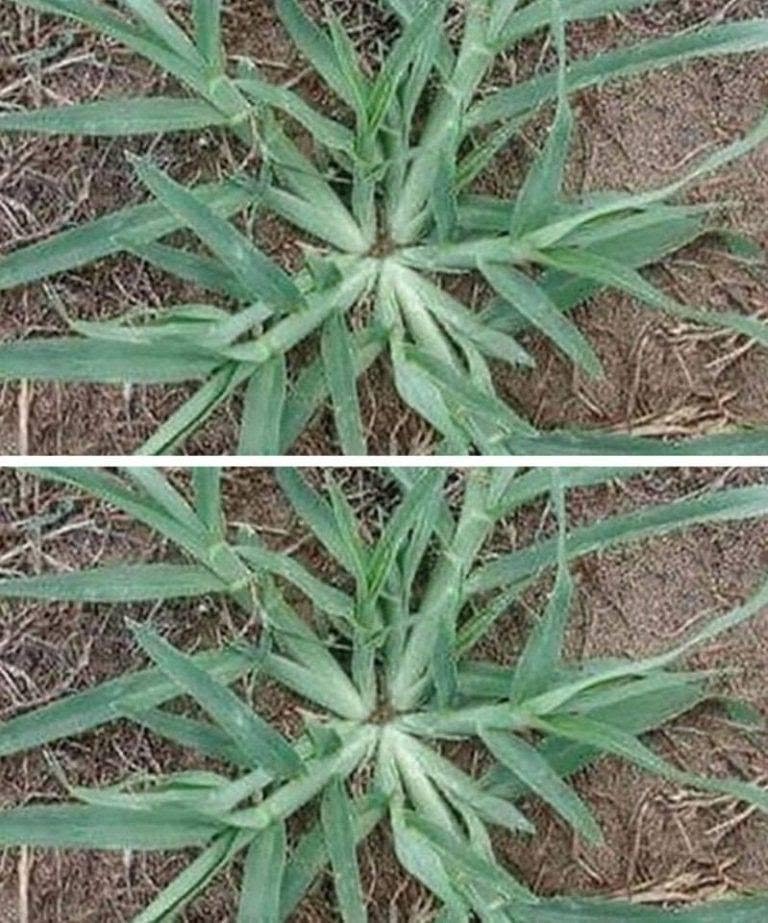
That headline is a classic example of social media clickbait designed to drive traffic by deliberately withholding the name of the plant. By leaving out what the plant actually is, the post forces you to click through a multi-page slideshow or external article just to find out what you are supposedly forbidden from pulling up.
Here is the straightforward reality behind these viral gardening warnings:
1. Why the Headline is Meaningless
-
No One-Size-Fits-All Rule: On its own, the statement cannot be evaluated. Whether you should keep or remove a volunteer plant depends entirely on what kind of plant it actually is.
-
The Clickbait Loop: These sensationalized captions are typically mass-produced across recipe and lifestyle blogs to generate ad revenue, using mystery and urgency to capture your curiosity.
2. How to Actually Handle Unfamiliar Garden Spreads
Instead of following vague internet mysteries, master gardeners rely on proper identification and context:
-
Identify First: Use a reliable plant identification app or local agricultural extension resource to figure out what is actually sprouting in your dirt before deciding its fate.
-
Assess Friend vs. Foe: Some unexpected volunteer plants might be beneficial pollinators or harmless wildflowers, while others could be aggressive invasive species (like creeping Charlie or Japanese knotweed) that you definitely want to uproot before they take over.
-
Consider Location: Even a beneficial herb or flower is considered a “weed” if it is choking out your prized vegetables or structural landscaping.
The Takeaway: Never take absolute gardening advice from a headline that refuses to name the plant. Always identify what is growing in your yard and evaluate it based on your specific landscape goals.
Are you trying to figure out what a mysterious new plant is in your garden bed right now?
