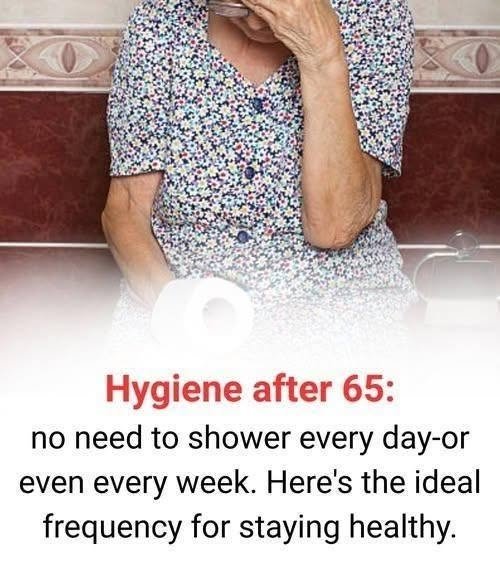
Cutting Through the “Daily Shower” Panic
Headlines warning that “Daily Showers After 65 May Do More Harm Than Good” are classic aging-related clickbait. They take a nuanced shift in skin physiology and sensationalize it, making older adults feel like their standard daily hygiene habits are secretly destroying their health.
In dermatology and geriatric medicine, the conversation around bathing frequency after 65 isn’t about avoiding hygiene—it is about adapting to how aging skin handles moisture and natural oils.
The Real Science of Aging Skin and Bathing
As we age, our skin undergoes predictable biological changes. Understanding these shifts explains why older adults often need to adjust their bathing routines, even if daily showers felt fine for decades:
-
Declining Sebum Production:
-
The reality: Sebaceous glands produce less natural oil (sebum) as we age. Without that robust lipid barrier, skin loses its ability to lock in moisture efficiently.
-
-
Thinner Stratum Corneum:
-
The reality: The outermost layer of skin thins over time, making it far more vulnerable to harsh soaps, hot water, and friction. Long, steaming hot daily showers strip away what little natural moisture and protective oils older skin has left.
-
-
The Resulting Xerosis (Dry Skin):
-
The reality: Stripping the skin barrier daily leads to chronic dryness (xerosis), intense itching, flaking, and microscopic cracks in the skin. In older adults, severely dry skin can lead to painful cracking and increase the risk of skin infections (cellulitis).
-
Do You Need to Stop Showering Daily?
Dermatologists and geriatricians don’t suggest abandoning cleanliness; rather, they advocate for smart modifications rather than sweeping bans on daily washing:
-
Lower the Temperature: Swap out scalding hot water for lukewarm water. Hot water acts as a solvent for natural skin lipids, drying out skin exponentially faster.
-
Be Selective with Soap: You don’t need to scrub every inch of your body with heavy detergent soaps every single day. Use gentle, fragrance-free cleansers and apply soap primarily to areas prone to odor (underarms, groin, and feet), letting water rinse the rest.
-
The “Soak and Seal” Rule: Apply a rich moisturizer, cream, or ointment immediately after bathing while your skin is still slightly damp to lock in hydration.
Dermatological Reality Check: If your skin feels tight, itchy, or flaky after a shower, your routine is too harsh. Adjusting your water temperature and using gentle moisturizers will keep your skin comfortable and protected without sacrificing cleanliness.
Did a sensational article about senior health catch your eye, or are you looking for gentle ways to adjust your daily skincare and bathing routine?
