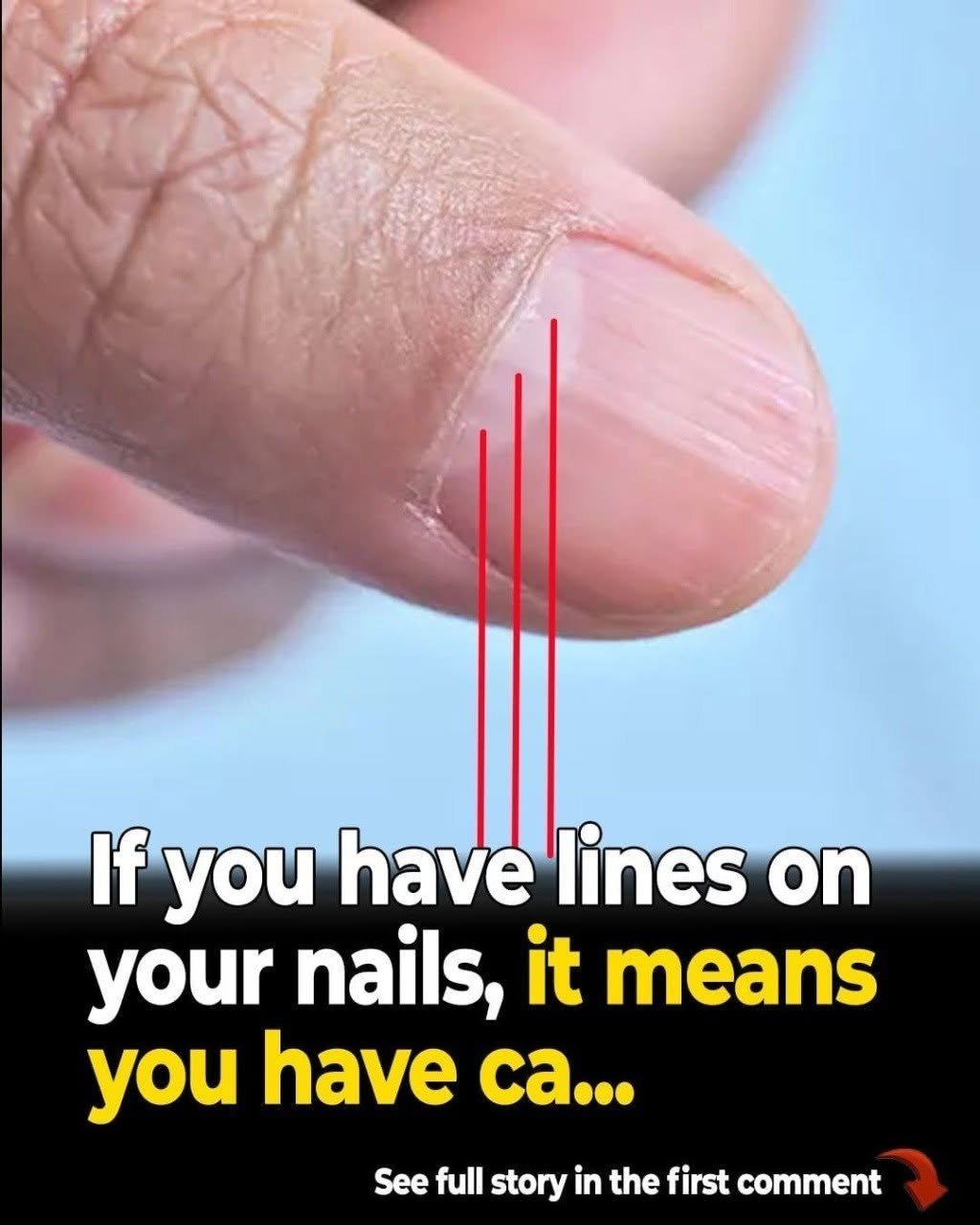
That headline is a masterclass in medical clickbait, taking a tiny nugget of actual dermatology and warping it into a sensationalized crystal-ball prediction about your lifespan. When an article claims your fingernails hold a secret countdown timer to your demise, it’s designed to make you frantically stare at your hands under a magnifying glass.
In clinical reality, your fingernails can offer subtle clues about your overall health, but they are not a mystical life-expectancy calculator.
Here is the un-sensationalized medical reality behind what your fingernails actually reveal:
1. What Your Nails Actually Tell Doctors
Dermatologists and primary care physicians look at fingernails as a window into systemic health because nail growth reflects your body’s baseline state of nutrition, circulation, and oxygenation over weeks and months.
-
Clubbing (Curved, Widened Fingertips): This is usually what these sensationalized articles are awkwardly referencing. When the tips of the fingers widen and the nails curve downward around them, it can indicate chronic low oxygen levels in the blood, often linked to underlying pulmonary conditions (like COPD or lung cancer) or cardiovascular issues.
-
Pitting, Ridges, or Discoloration: Tiny dents (pitting) can sometimes accompany inflammatory skin conditions like psoriasis, while pale or spoon-shaped nails might point toward iron-deficiency anemia.
2. The Fallacy of the “Life Expectancy Predictor”
While specific nail changes can serve as useful diagnostic clues for an active medical condition, they do not predict your lifespan or serve as a standalone death sentence.
-
A physical sign like clubbing or severe nail changes doesn’t mean your body is counting down a final year; it simply means your doctor needs to investigate an underlying respiratory, circulatory, or nutritional issue with proper testing (like imaging or blood work).
-
Millions of people have harmless longitudinal ridges, white spots (leukonychia) from minor past trauma to the nail matrix, or brittle nails simply due to frequent hand-washing, dry weather, or aging—none of which have anything to do with longevity.
3. The Takeaway
Your fingernails are not a crystal ball for your expiration date. If you notice a sudden, dramatic change in the shape, color, or texture of your nails that doesn’t grow out, it’s a great reason to mention it to your doctor during a routine check-up—not a reason to panic over a viral headline.
Did a dramatic thumbnail of someone’s hands pop up on your screen, or were you just checking your nails after reading another wild health claim online?
