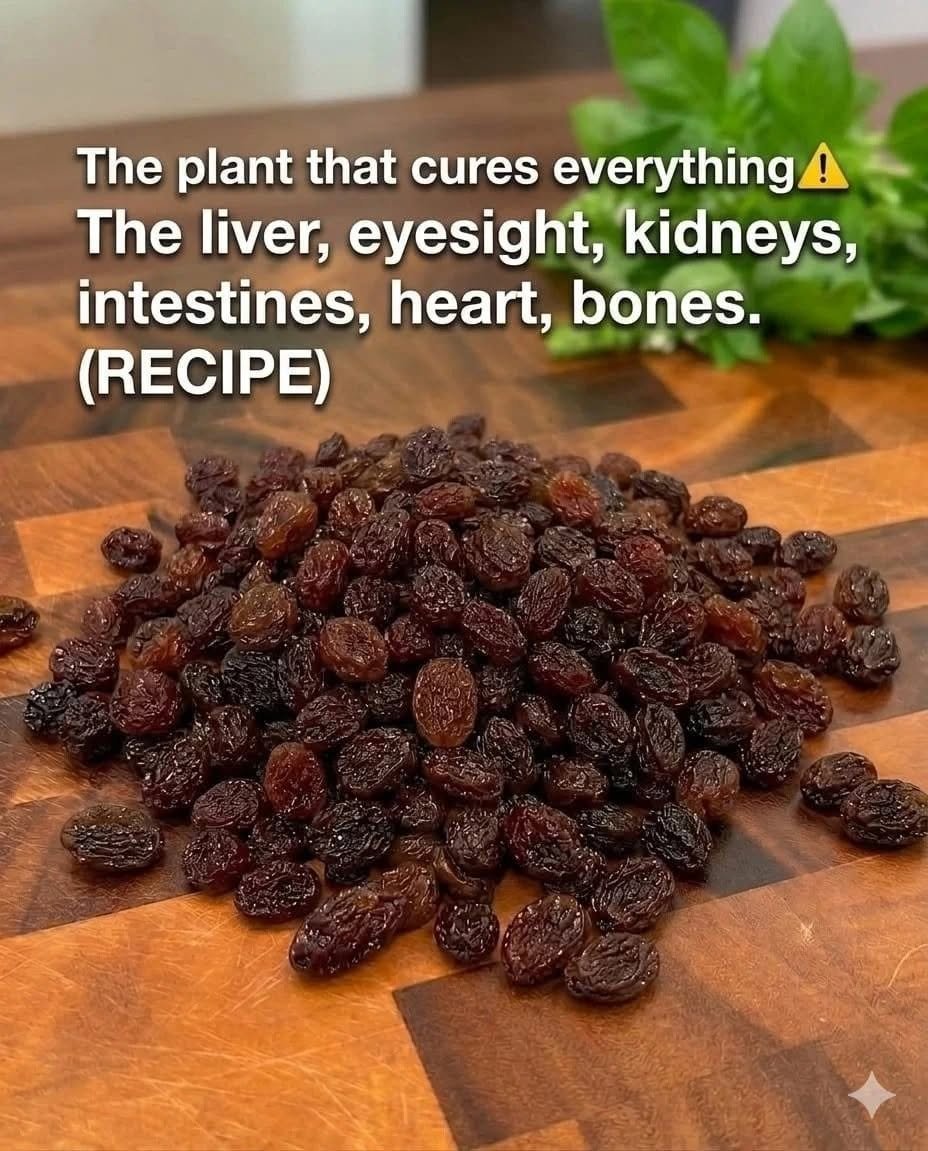
That headline is the crown jewel of internet wellness hyperbole. Whenever a blog post or social media video claims to have found a single botanical wonder—“The plant that cures everything”—you can safely grab your popcorn, because you’ve entered pure modern alchemy territory.
In clinical reality, a panacea (a single cure-all for every organ in the human body) does not exist in nature, and no leafy green or root is going to simultaneously fix your liver, sharpen your eyesight, rescue your kidneys, overhaul your heart, and rebuild your bones.
Here is the un-sensationalized medical reality behind these miracle-plant claims and how plants actually interact with human biology:
1. The Fallacy of the “Cure-All” Botanical
When clickbait sites hype up a plant (often things like moringa, turmeric, dandelion, or garlic), they usually take a grain of truth and blow it into a sci-fi fantasy.
-
Nutrient vs. Cure: Many plants contain wonderful things—antioxidants, vitamins, minerals, and fiber. Eating nutrient-dense plants supports your overall physiological health. But supporting health is entirely different from curing a disease. Broccoli is fantastic for you, but it cannot reverse kidney failure or mend a broken bone.
-
The Multi-System Illusion: The human body is made up of vastly different organ systems with completely distinct pathologies. A compound that might mildly influence inflammation in the gut behaves entirely differently in the nephrons of the kidney or the electrical pathways of the heart. No single molecule targets every tissue simultaneously like a magical healing spray.
2. What Plants Actually Do (The Science)
While they don’t cure everything, plants are the foundation of pharmacology for a reason. Many modern medications were originally derived from botanicals:
-
Supporters, Not Magic Wands: Incorporating vegetables, herbs, and whole foods into your diet provides your body with the raw building blocks it needs to function well. Dietary fiber helps your intestines, antioxidants help reduce cellular stress, and potassium-rich vegetables support blood pressure regulation.
-
The Risk of Overhyped Supplements: The bigger danger with “miracle plant” trends isn’t the vegetable itself; it’s the concentrated extract supplements sold online. People often take massive doses of herbal powders or tinctures thinking “more is better,” which can actually strain the liver and kidneys or dangerously interact with prescription medications (like blood thinners or blood pressure drugs).
The Takeaway: There is no single plant that cures every organ in your body. A diverse, colorful diet full of many different plants is wonderful for your health—just leave the magical elixir claims to the medieval alchemists.
Did a wild video try to sell you a miracle herbal extract that supposedly fixes every ailment under the sun, or were you just marveling at how far internet hyperbole will go?
