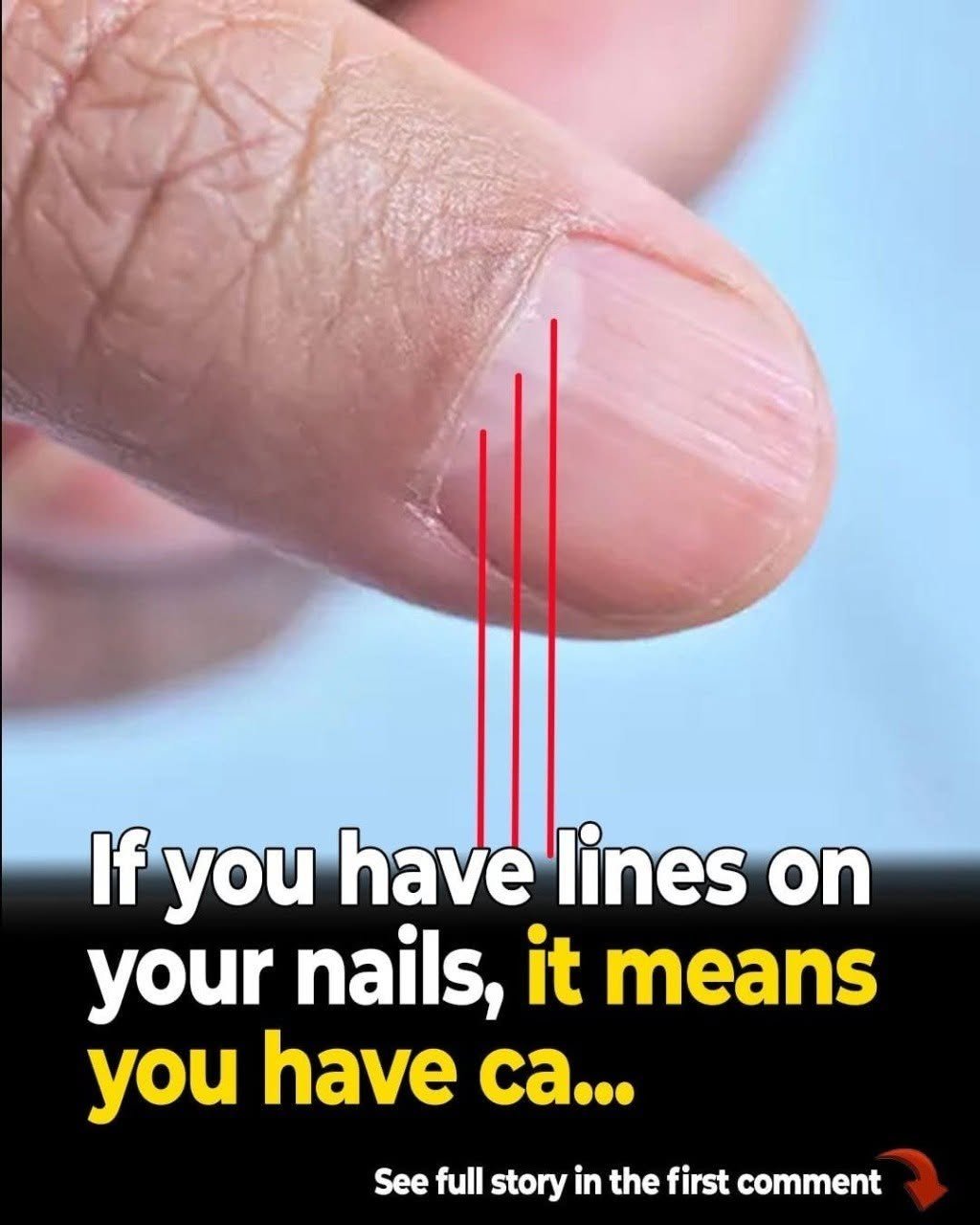
The “telltale sign” refers to insights shared by Harvard Medical School genetics professor and longevity researcher Dr. David Sinclair regarding fingernail growth rate as a marker of biological aging.
While it does not provide an exact expiration date, tracking how fast your nails grow can serve as an informal window into your body’s cellular turnover rate and overall vitality.
The Science Behind Nail Growth and Aging
-
The Growth Decline: Dr. Sinclair highlights historical research (including a notable 1979 study) showing that human fingernail growth slows down at a remarkably steady rate—roughly 0.5% per year after a person reaches their late twenties to age 30.
-
Biological vs. Chronological Age: Over a lifetime, overall nail growth can slow by up to 50%. If your nails maintain a relatively quick growth rate compared to the statistical average for your age group, it suggests your body is sustaining robust cellular regeneration and a younger biological age.
-
Cellular Turnover: Nails require continuous protein synthesis (keratin) and active cell division in the nail matrix. Healthy, fast-growing nails indicate that your body’s metabolic maintenance and regenerative pathways are functioning efficiently.
Other Critical Health Clues Hidden in Your Nails
Beyond simple growth speed, doctors look at changes in nail color, texture, and shape to spot potential systemic health issues:
| Nail Sign | Potential Health Indicator |
| Clubbing (Enlarged tips with downward-curved nails) | Low oxygen levels, cardiovascular disease, or pulmonary/lung conditions |
| Pale or White Nail Beds | Anemia, nutritional deficiencies, or liver/kidney issues |
| Yellowing Nails | Respiratory disorders, diabetes, or fungal infections |
| Dark Streaks or Black Spots | Subungual melanoma (a serious form of skin cancer) |
| Brittle, Peeling, or Ridged Nails | Thyroid imbalances, iron deficiency, or simple aging-related protein changes |
The Bottom Line
While monitoring how often you need to clip your nails is a fascinating, low-tech way to think about your body’s internal clock, it is just one small data point. True health span and longevity depend on broader lifestyle factors like cardiovascular fitness, nutrition, sleep, and genetics.
Do you track any specific health metrics or biomarkers to keep an eye on how well you’re aging?
