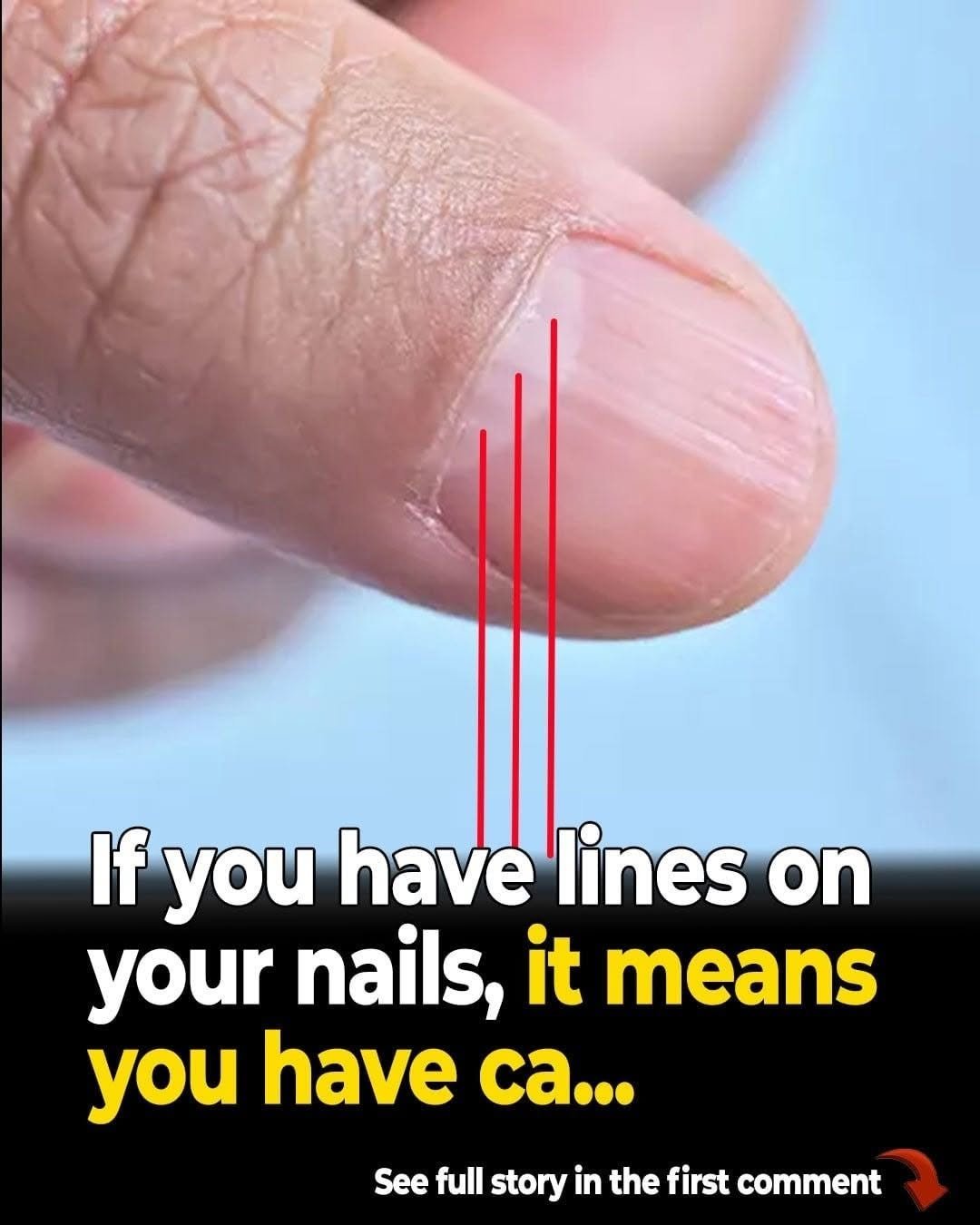
That classic health headline plays on a fascinating reality: your fingernails are surprisingly effective biological windows into your systemic health. Because your nails grow from living tissue that requires robust circulation, cellular division, and steady nutrient delivery, long-term shifts in their color, shape, or texture can reflect chronic internal conditions.
While a fingernail change won’t give you a precise expiration date, specific nail patterns can serve as early, visible warning signs of cardiovascular, respiratory, metabolic, or nutritional stress that directly impact overall longevity.
Here are the key telltale nail signs doctors look for and what they reveal about your underlying physiology:
Telltale Fingernail Signs and Their Physiological Meanings
-
Clubbing (Curved, Enlarged Fingertips):
-
What it looks like: The nail beds soften, the angle between the cuticle and the nail flattens out, and the fingertips visibly widen and bulge, resembling an upside-down spoon.
-
The Physiological Meaning: Clubbing is one of the most classic systemic red flags. It is caused by chronic low oxygen levels (hypoxia) in the bloodstream, which forces small blood vessels (capillaries) in the fingertips to dilate and promotes tissue growth. It is heavily linked to chronic pulmonary conditions (like COPD or pulmonary fibrosis), congenital heart disease, or chronic gastrointestinal malabsorption issues.
-
-
Beau’s Lines (Deep Horizontal Ridges):
-
What it looks like: Deep grooves or indentations running horizontally across the width of the nail plate.
-
The Physiological Meaning: Nail growth temporarily halts when your body experiences severe systemic stress. If you suffer a major physiological crisis—such as severe infection, uncontrolled diabetes, major surgery, heavy physiological shock, or acute malnutrition—your body diverts all its energy and nutrients away from non-essential tasks like making fingernails, leaving a permanent timeline scar in the nail as it grows out months later.
-
-
Koilonychia (“Spoon Nails”):
-
What it looks like: The nails become thin, fragile, and concave, curving upward at the edges like a tiny spoon capable of holding a drop of water.
-
The Physiological Meaning: This is most commonly a sign of severe, chronic iron-deficiency anemia. Without enough iron, your body cannot produce adequate hemoglobin to carry oxygen to rapidly dividing tissues, leading to structural weakness in the nail matrix. In some cases, it can also point to systemic conditions like hemochromatosis or chronic heart disease.
-
-
Terry’s Nails (Whitened Nails with a Dark Band):
-
What it looks like: Most of the fingernail appears stark white (ground-glass appearance), with a narrow, pinkish-brown band stretching across the very tip.
-
The Physiological Meaning: This sign is frequently associated with decreased vascularity in the nail bed and an overgrowth of connective tissue. Doctors take Terry’s nails seriously because they can be an early clinical indicator of systemic decline, such as liver cirrhosis, chronic congestive heart failure, or severe adult-onset diabetes.
-
-
Splinter Hemorrhages (Tiny Dark Lines Under the Nails):
-
What it looks like: Small, vertical reddish-brown lines running underneath the nail, looking like tiny splinters of wood.
-
The Physiological Meaning: These are actually tiny micro-bleeds caused by damaged capillaries beneath the nail plate. While they often result from simple trauma (like bumping your finger), a sudden appearance of multiple splinter hemorrhages across several nails can sometimes signal infective endocarditis (an infection of the heart valves) or systemic vasculitis, which requires urgent medical evaluation.
-
The Takeaway
Your fingernails are a slow-motion dashboard of your internal metabolic environment. While minor ridges or white spots are usually harmless quirks of aging or minor trauma, sudden, pronounced structural changes like clubbing, deep horizontal grooves, or unexplained color shifts are worth bringing up to a physician to ensure no underlying systemic issue is going unnoticed.
Have you or someone you know ever noticed unusual changes in your nail texture or color, or are you exploring this out of general health curiosity?
