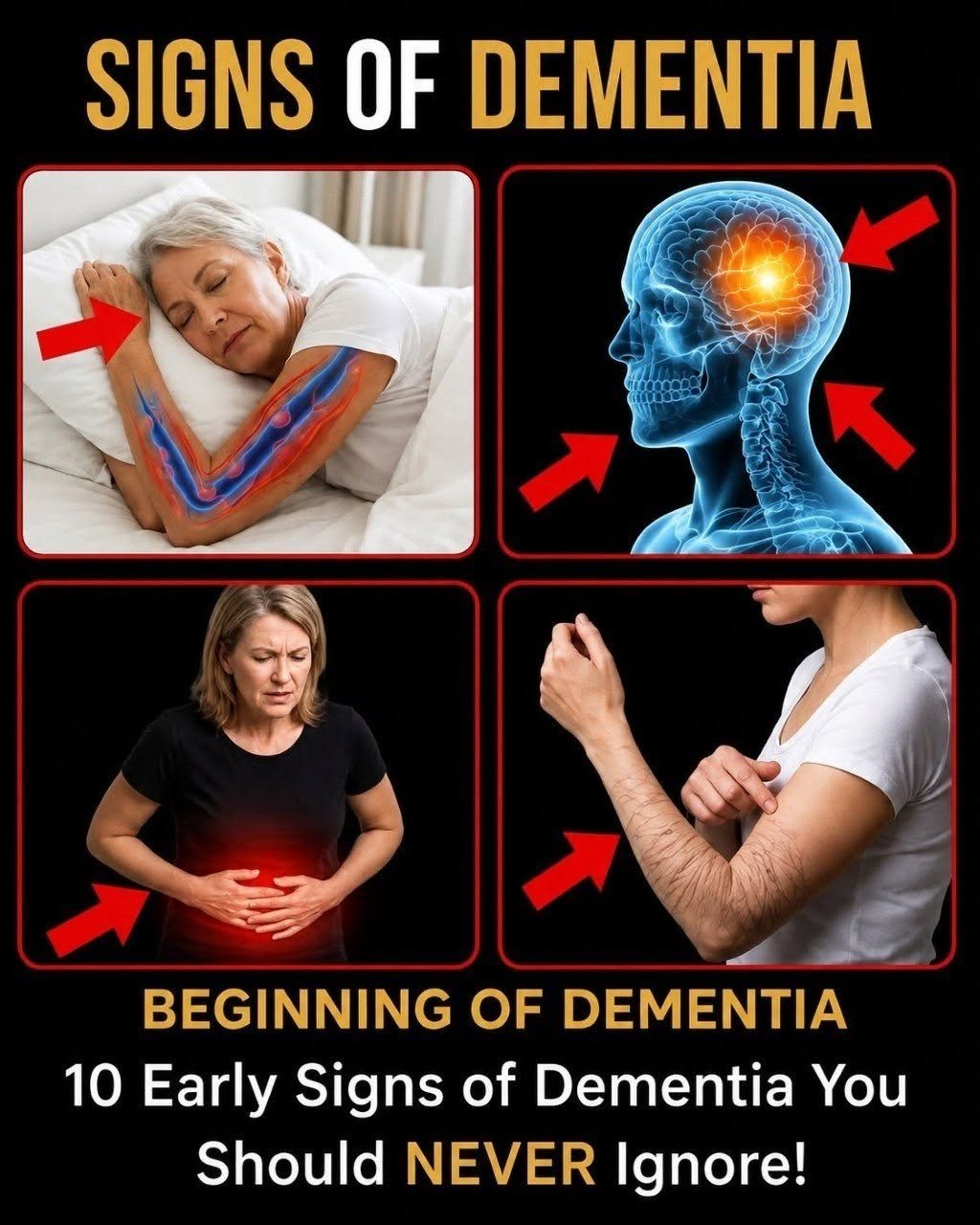
That headline uses one of the most manipulative and terrifying hooks in the entire clickbait playbook: all-caps panic combined with a severe neurological diagnosis. By screaming that you should “NEVER ignore” these signs, it preys on universal anxieties about cognitive decline, aging, and memory loss, weaponizing normal human forgetfulness—like misplacing keys or walking into a room and forgetting why—into a source of acute terror.
In clinical reality, true neurodegenerative changes have distinct, progressive patterns, and normal cognitive aging looks very different from sensationalized internet lists.
Here is the grounded, clinical breakdown of what early cognitive changes actually look like, why the internet loves to exploit this topic, and how medicine evaluates brain health:
1. The Clickbait Strategy: Weaponizing Normal Forgetfulness
-
The “Did I Do That?” Trap: Viral lists of dementia signs often include completely normal everyday occurrences: occasionally forgetting a word, losing your train of thought, or walking into a kitchen and wondering what you needed.
-
The Anxiety Feedback Loop: When you are stressed, tired, overloaded with information, or dealing with poor sleep, your working memory naturally dips. Clickbait takes that normal mental fatigue and frames it as an early warning sign of catastrophe, causing health anxiety that actually worsens your focus and short-term recall.
2. Clinical Reality: What Real Early Signs Involve
Neurologists and geriatricians don’t diagnose cognitive decline based on a single viral checklist or a momentary slip of the tongue. They look for consistent, disruptive patterns that interfere with daily independence:
-
Disruption of Complex Daily Tasks: Not just forgetting where you put your car keys, but losing the ability to manage household finances, cook a familiar recipe you’ve made a hundred times, or navigate a routine driving route.
-
Profound Disorientation: Getting lost in a familiar neighborhood or losing track of what year or season it is, rather than just momentarily forgetting what day of the week it is.
-
Changes in Judgment and Personality: Noticeable shifts in decision-making, social behavior, or safety awareness that are out of character for the individual.
3. The Non-Dementia Culprits Behind Brain Fog
If you are experiencing a temporary dip in memory, focus, or word-finding, medicine looks at treatable, reversible causes long before suspecting a neurodegenerative disease:
-
Chronic Sleep Deprivation: The brain’s glymphatic system clears metabolic waste during deep sleep. If you aren’t sleeping well, your cognitive performance drops sharply.
-
Medication Side Effects: Many common medications (including certain antihistamines, sleep aids, and blood pressure drugs) list mental sluggishness or memory lapses as side effects.
-
Nutritional and Metabolic Factors: Deficiencies like low B12, thyroid imbalances (hypothyroidism), or dehydration can mimic cognitive slowing.
The Takeaway: Forgetting why you walked into a room is a universal human experience, not a neurological emergency. Real cognitive health is evaluated through persistent patterns and clinical testing, not panic-inducing internet slideshows.
Did your feed try to convince you that a simple slip of the memory is an early sign of total cognitive failure, or are you just navigating the endless sea of alarmist medical headlines today?
