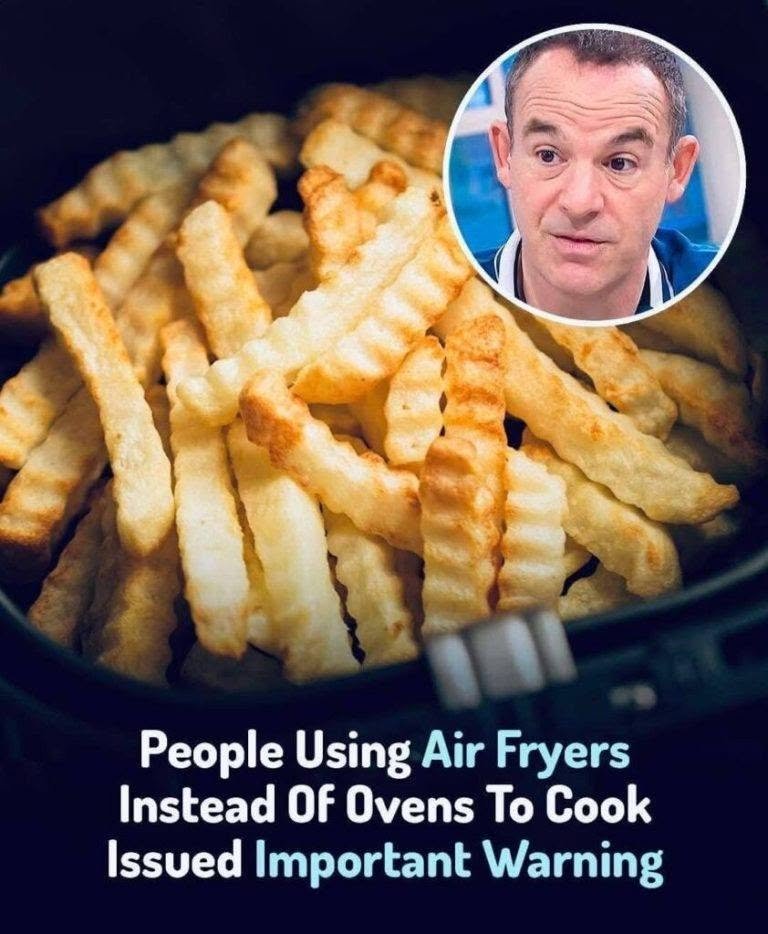
While air fryers have become a beloved countertop staple for quick and crispy meals, culinary and safety experts often caution that they shouldn’t always be viewed as a blanket replacement for a conventional oven. Because an air fryer is essentially a compact, high-powered convection machine, using it incorrectly can affect food safety, cooking quality, and home safety.
Here are 7 essential tips and safety guidelines to keep in mind if you use an air fryer:
1. Don’t Overload the Basket
-
The Risk: It’s tempting to pile in extra fries or chicken wings, but air fryers rely on a powerful whirlwind of circulating hot air to cook.
-
The Fix: Fill the basket to no more than half or two-thirds capacity, and give it a gentle shake halfway through cooking to ensure even, crisp results.
2. Avoid Wet Batters and High-Moisture Foods
-
The Risk: Liquid batters (like tempura or wet pancake batter) will drip straight through the basket holes, smoking, burning, and clogging your appliance. Similarly, high-moisture vegetables like fresh tomatoes or heavy greens can steam rather than crisp.
-
The Fix: Reserve traditional wet-battered foods for deep frying or oven-baking, and pat your vegetables dry before seasoning them.
3. Mind Your Liners (Paper and Foil)
-
The Risk: Placing parchment paper or aluminum foil into an empty preheating basket can cause the lightweight material to lift, fly into the heating element, and ignite. Furthermore, wrapping acidic or salty foods in foil inside the basket can cause metal leaching.
-
The Fix: Only place paper or foil in the basket alongside heavy food items to weight them down, and avoid using aluminum foil with acidic marinades (like lemon juice or tomato-based sauces).
4. Provide Adequate Countertop Clearance
-
The Risk: Because air fryers exhaust hot air rapidly, keeping them tucked tightly under low overhead cabinets or pushed flush against a wall can scorch surfaces, warp laminated countertops, or trap heat.
-
The Fix: Always pull your air fryer out onto an open, heat-resistant surface with plenty of clearance around the vents while in use.
5. Keep Up with Routine Cleaning
-
The Risk: Leftover crumbs and accumulated grease at the bottom of the basket will smoke heavily the next time you turn on the high heat, creating unpleasant odors and increasing fire risks.
-
The Fix: Wash the basket and tray after every use, and gently wipe down the interior heating coil area periodically once cooled.
6. Watch Out for Acrylamide (Don’t Over-Brown)
-
The Risk: Just like conventional ovens and frying methods, cooking starchy foods (like potatoes and bread products) at very high temperatures until they turn dark brown can increase the formation of acrylamide, a chemical compound linked to health concerns.
-
The Fix: Aim for a golden-yellow finish rather than a charred, dark brown crust on your roasted potatoes and snacks.
7. Unplug When Not in Use
-
The Risk: As a high-draw, heat-generating electrical appliance left on standby, unexpected power surges or internal component failures can occasionally pose safety hazards.
-
The Fix: Get into the healthy habit of unplugging your air fryer—along with your toaster and other high-draw countertop appliances—when you go to bed or leave the house.
Do you mostly use your air fryer for quick weeknight snacks, or do you find yourself experimenting with full meals in it?
