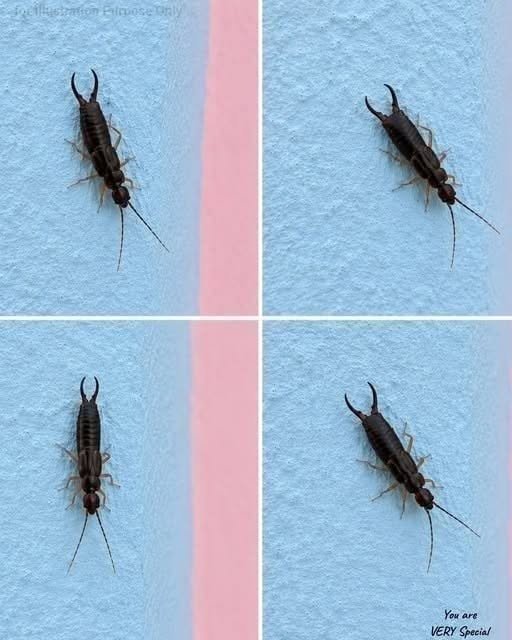
That classic headline format—“If you find this insect in your home, it’s a sign that you need to…”—is one of the most reliable hooks used in online clickbait.
Whether it features a picture of a harmless house centipede, a camel cricket, or a silverfish, these viral posts and videos are designed to trigger panic, curiosity, or a sense of urgency so you will click through to a slide-show article or a video.
Here is a breakdown of why these insect warnings are usually misleading and what finding certain bugs actually tells you about your living space:
The Tactics Behind the Headline
-
Exaggerated Threats: Viral posts often take a completely ordinary, harmless household insect (or a staged photo) and claim it is a harbinger of structural collapse, a rare tropical disease, or an immediate catastrophic infestation.
-
Vague “Solutions”: The cliffhanger (“…you need to do this immediately!”) is a deliberate psychological trick to keep you scrolling or watching ads.
-
Fear-Based Engagement: Just like sensational claims about “72-hour pain cures” or “magic belly-flattening syrups,” pest clickbait preys on homeowners’ natural desire to keep a clean, safe, and secure home.
What Common House Insects Actually Indicate
While you don’t need to panic, finding certain bugs can be a useful, practical indicator of environmental conditions in your home:
-
Silverfish or Drain Flies: These insects thrive in moisture. Finding them doesn’t mean your house is dirty; rather, it’s a sign that you likely have a humidity issue, poor ventilation in a bathroom, or a minor plumbing leak under a sink.
-
Camel Crickets or Woodlice: These pests love dark, damp spaces like crawl spaces or basements. Spotting them points to a need for better moisture control or a dehumidifier, rather than a toxic emergency.
-
Pantry Moths or Weevils: Finding these inside food packages usually means a grain product (like flour, rice, or cereal) was brought home from the store with eggs already inside, signaling that you need to check and seal your dry goods in airtight containers.
A Good Rule of Thumb for Home Pest Control
Instead of reacting to sensational online warnings, rely on common-sense maintenance: keep your home well-ventilated, fix plumbing leaks promptly, store dry foods securely, and seal exterior cracks where pests can wander inside.
Have you recently come across one of these dramatic insect warnings online, or were you trying to identify a specific bug you spotted around the house?
