The Real Causes of Constant Phlegm and Mucus in Throat and How to Get Rid of It!

Clinical Reality Check: “Constant phlegm and mucus” in the throat is rarely a primary throat disorder. The upper respiratory tract, sinuses, and subglottic glands continually produce mucus (1–1.5 liters daily) as a protective physiological escalator. Chronic throat clearing or the sensation of mucus accumulation (globus sensation) is almost always driven by nasal/sinus hypersecretion, retrograde airway … Read more


One vitamin that opens blood vessels and improves circulation

Clinical Reality Check: No single vitamin acts as a direct pharmacological vasodilator that “opens” hardened or constricted blood vessels on demand like a prescription antihypertensive or nitrate. However, Vitamin B3 (Niacin / Nicotinic acid) causes a prominent superficial cutaneous vasodilation (the “niacin flush”) via prostaglandin-mediated capillary expansion. Meanwhile, Vitamin C supports vascular endothelial health and … Read more

How to Shower Safely After 65 Without Drying Out Your Skin

Dermatological / Geriatric Reality Check: Aging skin experiences physiological declines in sebaceous (oil) gland output, ceramide synthesis, and stratum corneum hydration retention (xerosis). Long, hot, high-detergent showers strip the remaining lipid mantle, driving severe pruritus (itch-scratch cycle), micro-fissures, and contact dermatitis. Safety in the shower after age 65 also prioritizes fall prevention (slip hazards, thermal … Read more

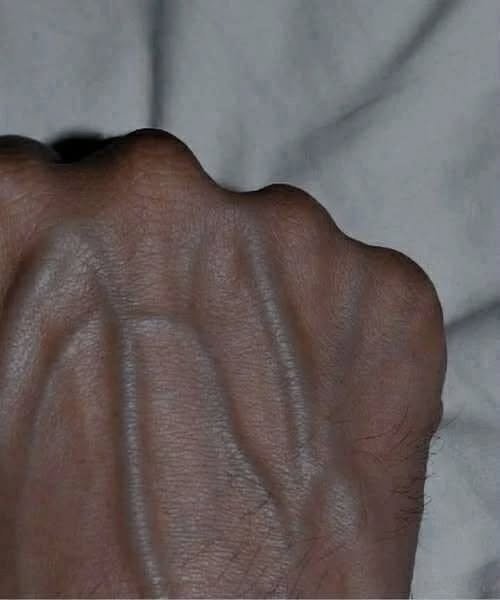
If your veins are visible in your hand, it is a signal of ca

Clinical Reality Check: Visible veins in the hand are not a universal or specific signal of cancer (or cardiovascular pathology). Prominent hand veins are almost always normal anatomical variations driven by subcutaneous fat loss, low skin thickness, high ambient temperature, athletic/low-body-fat baseline, or dependent hand positioning causing temporary venous pooling. Visible Hand Veins: Myth vs. … Read more

When an elderly person goes through a delicate stage, these 4 changes may appear and deserve attention.

Clinical Reality Check: “Delicate stages” in older adults—often representing acute vulnerability, transition to frailty, subclinical illness, or caregiver-term “decline”—are rarely defined by a neat 4-sign checklist. Instead, geriatric medicine evaluates acute functional shifts through sudden changes in baseline trajectory. When an older adult drops off their baseline, clinicians look for multi-system triggers (infection, metabolic/electrolyte shift, … Read more

This natural recipe will permanently remove facial hair

Clinical Reality Check: No topical natural recipe (turmeric-lemon, sugar-lemon waxing pastes, papaya enzyme pastes, raw baking soda scrubs, or unverified herbal masks) can permanently remove facial hair. Hair growth is driven by dermal papilla cells residing in the deep hair follicle (3–4 mm beneath the surface) and hormonal signals (androgens). Topical kitchen mixtures only pull … Read more

Navigating Vitamin Habits: Understanding Stroke Risk for Older Adults and Brain Health

Clinical Reality Check: Sensationalized claims linking standard vitamins to overnight or direct strokes are false. However, high-dose antioxidant or single-nutrient megadosing (e.g., massive Vitamin E, excessive Vitamin A, or inappropriate calcium/vitamin D ratios without deficiency) lacks cardiovascular benefit and, in specific trials, high-dose fat-soluble or redundant supplementation yields neutral-to-adverse vascular signals. Brain health and stroke … Read more

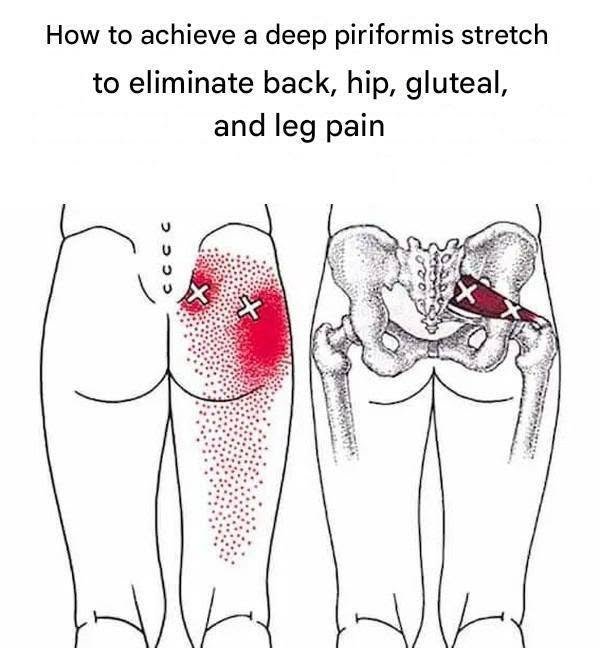
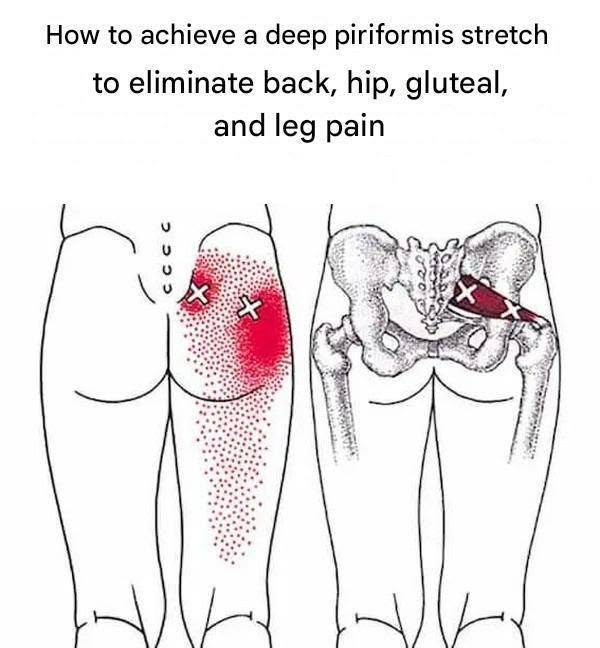
Piriformis Stretches to Relieve Piriformis Syndrome

> **Clinical Reality Check:** “Piriformis syndrome”—where the piriformis muscle compresses or irritates the adjacent sciatic nerve, causing deep buttock pain and radiating leg symptoms—is frequently overdiagnosed. **True piriformis syndrome is relatively rare (~6–8% of sciatica cases)**; the vast majority of sciatic nerve pain originates from lumbar spine pathology (disc herniation, foraminal stenosis, or facet irritation). … Read more