The Real Causes of Constant Phlegm and Mucus in Throat and How to Get Rid of It!

Clinical Reality Check: Mucus production is a normal, vital physiological defense mechanism of the upper and lower respiratory tracts designed to trap dust, pathogens, and irritants. “Constant phlegm” usually reflects hypersecretion, impaired clearance (mucociliary dysfunction), or hypersensitive laryngeal-pharyngeal reflexes rather than a single mysterious disease. Real Causes of Constant Throat Phlegm / Mucus Cause Mechanism … Read more


The five drinks that are most harmful to your bones, according to health experts.

Clinical Reality Check: Health experts don’t view beverage impacts on bone health through a rigid “top 5 most harmful” hierarchy. Instead, risk is driven by high-frequency displacement (swapping calcium/vitamin D-rich drinks for empty ones), excessive intake of specific compounds (high caffeine, heavy alcohol, high sodium/sugar loads), and metabolic disruption. The 5 Beverage Categories Tied to … Read more

8 Habits You Should Stop This Year If You Are Taking Amlodipine – And Why

Clinical Reality Check: Amlodipine is a long-acting dihydropyridine calcium channel blocker (CCB) that lowers blood pressure by relaxing vascular smooth muscle (arteriolar vasodilation). While it doesn’t have a rigid “never touch this ever” list like some drugs, certain lifestyle habits and concurrent substances directly counteract its efficacy, compound side effects (like peripheral edema), or trigger … Read more

As a BRAIN Doctor, I’m SHOCKED THIS Vitamin Raises Stroke Risk Overnight Senior Health

Clinical Reality Check: Vitamins do not raise stroke risk “overnight.” Vascular risk from supplementation typically relates to long-term high-dose imbalances (e.g., excessive calcium/vitamin D cross-talk, pro-oxidant shifts at mega-doses, or mismanaged anticoagulation interactions), whereas acute stroke is driven by thromboembolism, carotid plaque rupture, or hypertensive crises. Clickbait phrasing like “shocked this vitamin…” misattributes chronic metabolic … Read more

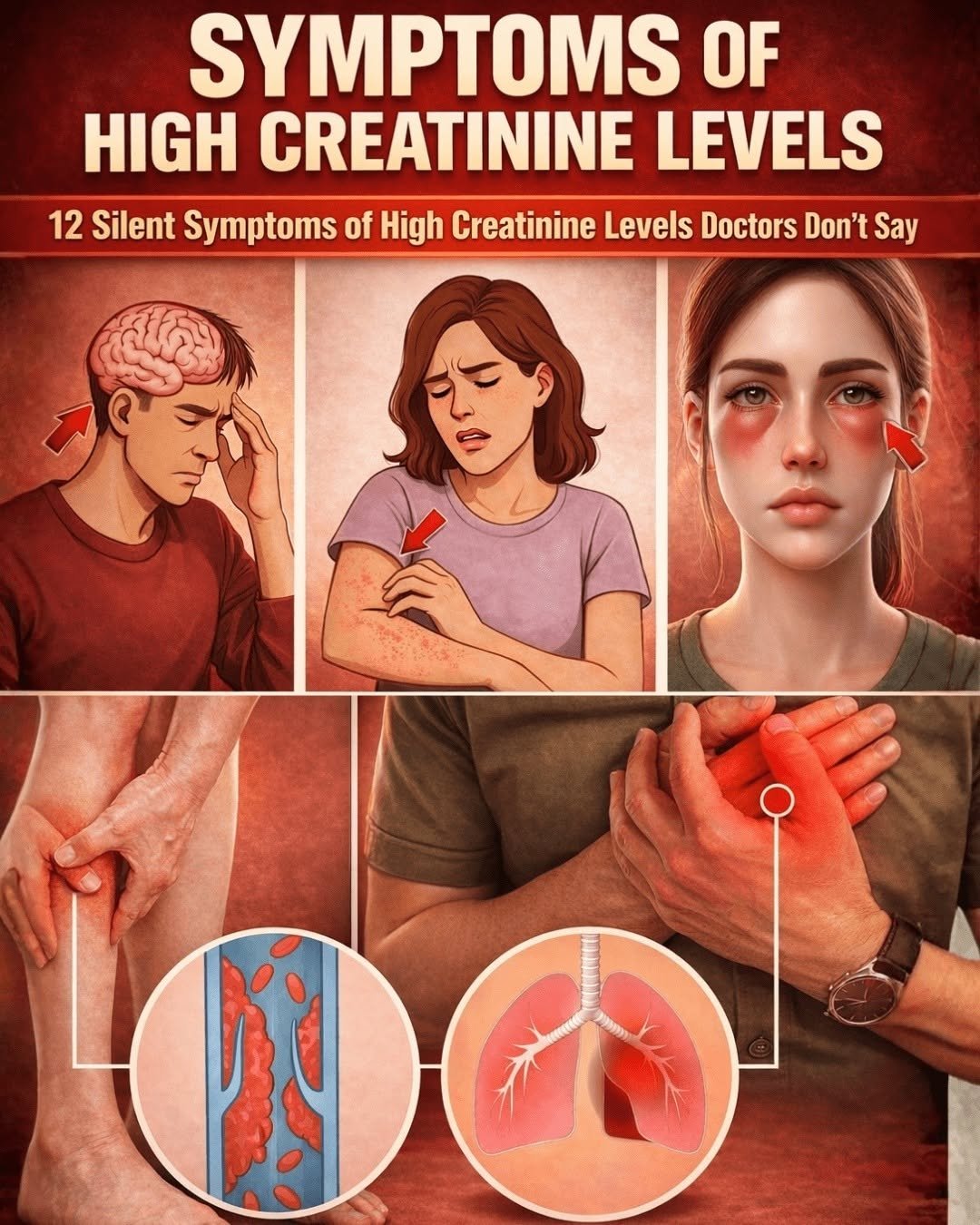
12 Subtle Signs of High Creatinine Levels That Could Point to Early Kidney

Clinical Reality Check: High creatinine is a marker of reduced glomerular filtration (impaired kidney clearance), not a direct toxin that causes symptoms on its own. Mild-to-moderate elevations in serum creatinine often produce zero symptoms (the “silent” phase of early-to-moderate CKD), as nephrons compensate. Overt symptoms usually only emerge when GFR drops significantly (Stage 3b/4/5 CKD). … Read more

A month before a heart attack, your body will warn you – here are 6 signs

Clinical Reality Check: The idea of a fixed “one-month warning timeline” is a social media myth. While some patients experience prodromal symptoms (like subtle angina, fatigue, or shortness of breath) weeks or days prior to a myocardial infarction, plaque rupture and coronary occlusion can also strike abruptly without warning. Any persistent or worsening cardiac symptoms … Read more

Don’t EVER use magnesium if you’re on any of the following medications

Clinical Nuance: “Don’t EVER” is an overstatement. For most interacting medications, the issue is decreased drug absorption via chelation (binding in the gut) rather than severe toxicity, meaning proper timing separation (2–4 hours) usually makes concurrent use safe. However, true avoidance or close medical monitoring applies to severe renal impairment or specific additive pharmacodynamic risks. … Read more

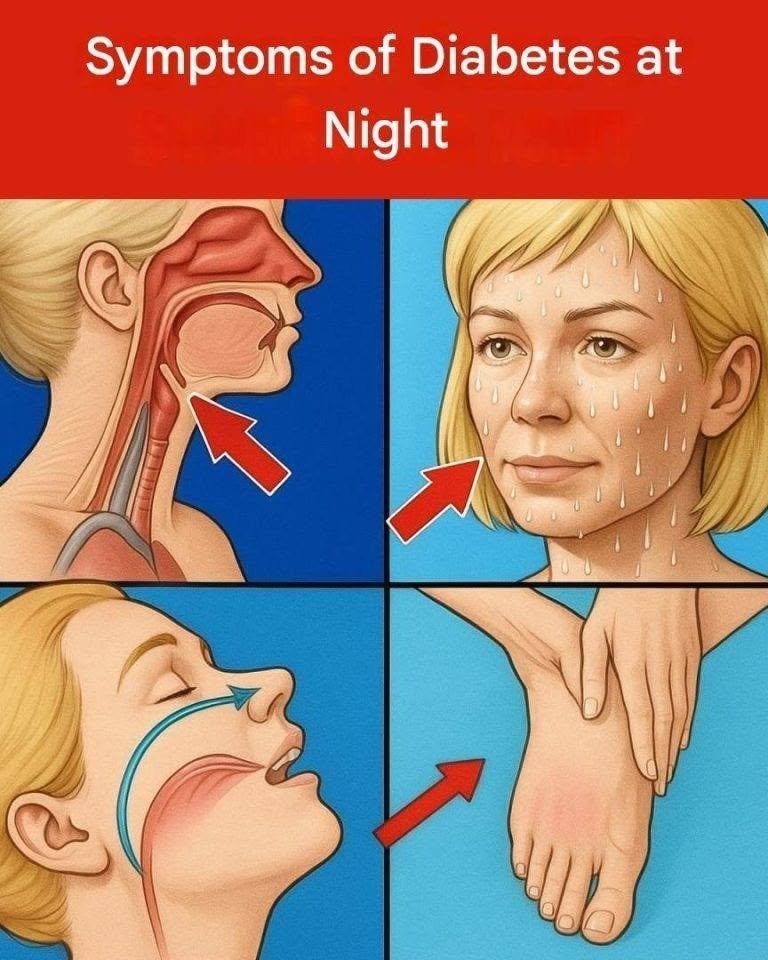
5 Diabetes Symptoms That Appear at Night

Medical Context: Nocturnal symptoms related to diabetes typically stem from hyperglycemia (high blood sugar), hypoglycemia (low blood sugar, often medication-induced), or diabetic neuropathy/autonomic dysfunction. 5 Diabetes Symptoms That Happen at Night Symptom Underlying Cause What It Looks/Feels Like 1. Nocturia (Frequent Urination) Hyperglycemia causing osmotic diuresis Waking up 2+ times per night to urinate due … Read more

8 Potent Fruits That May Aid in Natural Blood Clot Dissolution

Medical Reality Check: Dietary fruits cannot dissolve existing clinical blood clots (such as Deep Vein Thrombosis, pulmonary embolisms, or arterial thrombi), which require prescription anticoagulants or thrombolytics. However, certain fruits contain bioactive compounds (like salicylates, polyphenols, and flavonoids) that support healthy circulation and discourage platelet aggregation (clumping), lowering overall cardiovascular risk. 8 Circulation-Supporting Fruits Fruit … Read more

Don’t EVER use magnesium if you’re on any of the following medications

The “Never” Fallacy vs. Pharmacokinetic Reality “Don’t EVER” is engagement bait; pharmacokinetic spacing and renal filtration capacity govern actual drug-supplement interactions. Oral magnesium divalent $Mg^{2+}$ ions bind (chelate) certain intraluminal drugs in the GI tract, blocking systemic absorption, while systemic toxicity is strictly a clearance failure. ## The Interaction Matrix Medication Class / Product The … Read more