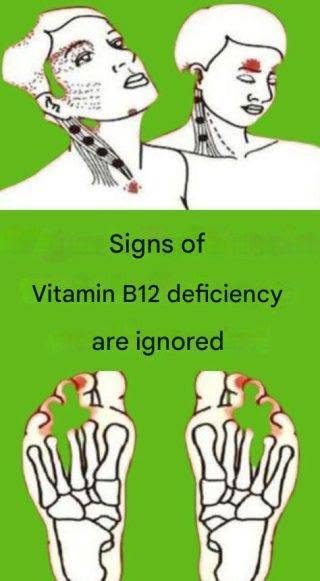
Vitamin B12 is essential for nerve function, red blood cell production, and DNA synthesis. Because the body can store several years’ worth of B12 in the liver, a deficiency develops very slowly.
As a result, many early warning signs are subtle, easily attributed to “getting older,” stress, or a busy lifestyle, and are frequently ignored until they become severe.
Common Signs of B12 Deficiency That Often Go Ignored
-
Persistent Fatigue and Weakness: This is the most common and most frequently dismissed symptom. Even with a full night’s sleep, a lack of B12 means your body cannot efficiently produce red blood cells to carry oxygen throughout your body, leading to deep exhaustion.
-
Brain Fog, Forgetfulness, and Confusion: Mild cognitive slips—like walking into a room and forgetting why you’re there or struggling to find words—are often blamed on stress or aging, but they can be tied to low B12 affecting neurological health.
-
Numbness, Tingling, or a “Pins and Needles” Sensation: A chronic lack of B12 damages the protective sheath (myelin) that surrounds nerves. This often shows up as strange tingling sensations or numbness in the hands and feet.
-
Unexplained Mood Changes (Irritability and Low Mood): Because B12 plays a key role in synthesizing brain chemicals like serotonin and dopamine, a deficiency can manifest as irritability, anxiety, or depressive symptoms.
-
Pale or Yellowish Skin: Inadequate B12 can cause megaloblastic anemia, where red blood cells are improperly formed and break down easily, releasing bilirubin and giving the skin a pale or slightly jaundiced, yellowish tint.
-
A Smooth, Sore, or Red Tongue (Glossitis): Some people notice their tongue feels tender, swollen, or looks unusually smooth and shiny because the tiny bumps (papillae) on the surface begin to atrophy.
-
Balance Issues and Dizziness: Nerve damage and anemia combined can lead to unsteadiness when walking, dizziness, or feeling lightheaded upon standing.
Who is Most at Risk?
-
Older adults: Stomach acid decreases with age, making it harder to absorb B12 from food.
-
Vegans and vegetarians: B12 is found almost exclusively in animal products (meat, fish, eggs, and dairy), making supplementation or fortified foods crucial.
-
People with gastrointestinal conditions: Conditions like celiac disease, Crohn’s disease, or those who have had weight-loss surgery often struggle with absorption.
-
Long-term users of certain medications: Acid-reflux medications (like proton pump inhibitors) and metformin (for diabetes) can interfere with B12 absorption over time.
Note: If you suspect you might be deficient, a simple blood test ordered by a doctor can check your levels. It is important to consult a healthcare professional before starting high-dose supplements, especially since heavy B12 supplementation can sometimes mask a folate deficiency.
