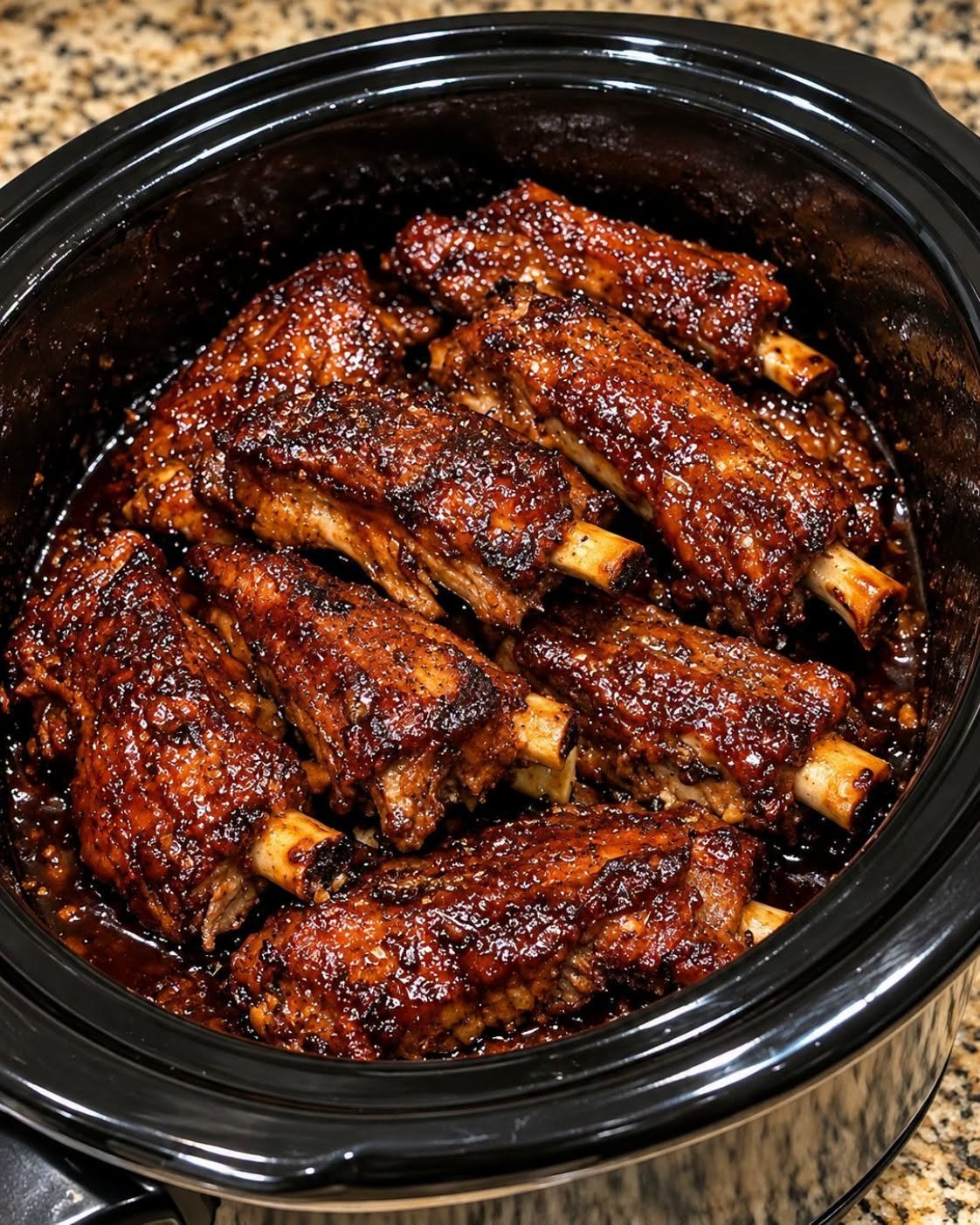
That is another fantastic pivot away from internet doom-scrolling and straight into the realm of culinary comfort. Spare ribs are a heavyweight champion in the world of barbecue and slow cooking, carrying a rich culinary history across global cuisines.
In the kitchen, spare ribs require a completely different approach than a quick pot of chili or a fast-track dessert. They are a cut of meat that rewards patience, smoke, and chemistry.
Here is the un-sensationalized, delicious reality behind spare ribs, how they work, and why they taste so good:
1. Understanding the Cut: Spare Ribs vs. Baby Backs
Not all pork ribs are created equal, and knowing the difference changes how you cook them:
-
St. Louis-Cut Spare Ribs: These come from the belly side of the pig, closer to the sternum. They are flatter, wider, contain more bone and connective tissue (cartilage), and have a higher fat content than baby back ribs.
-
The Magic of Fat and Collagen: Because spare ribs have more intermuscular fat and connective tissue, they take longer to cook, but that fat renders down during the process, keeping the meat exceptionally juicy and flavorful.
2. The Science of Low and Slow
You can’t rush spare ribs on high heat without turning them into shoe leather.
-
Collagen Breakdown: Tough cuts of meat are packed with collagen. When exposed to low, steady heat (around 225°F to 275°F) over several hours, that tough collagen slowly melts into gelatin, creating that melt-in-your-mouth tenderness.
-
The Smoke Ring: If you cook them on a smoker or grill using wood, you’ll often get a distinct pink ring just beneath the surface of the meat. This is a chemical reaction between nitrogen dioxide in the wood smoke and the myoglobin in the meat—a badge of honor for pitmasters everywhere!
3. Cooking Styles Around the World
Spare ribs aren’t just an American barbecue staple; they are celebrated globally:
-
American BBQ: Traditionally seasoned with a dry rub, slow-smoked over hickory or fruitwood, and glazed with a sweet or tangy tomato- or vinegar-based barbecue sauce.
-
Chinese Cuisine: Often chopped into bite-sized pieces and steamed with black bean sauce, garlic, and Shaoxing wine, or roasted as sweet and sour spare ribs.
The Takeaway: No medical alerts or fear-mongering here—just a cut of meat that demands time, low heat, and proper technique to achieve absolute perfection.
Are you planning a weekend barbecue cookout, or trying out a new braising recipe for dinner?
