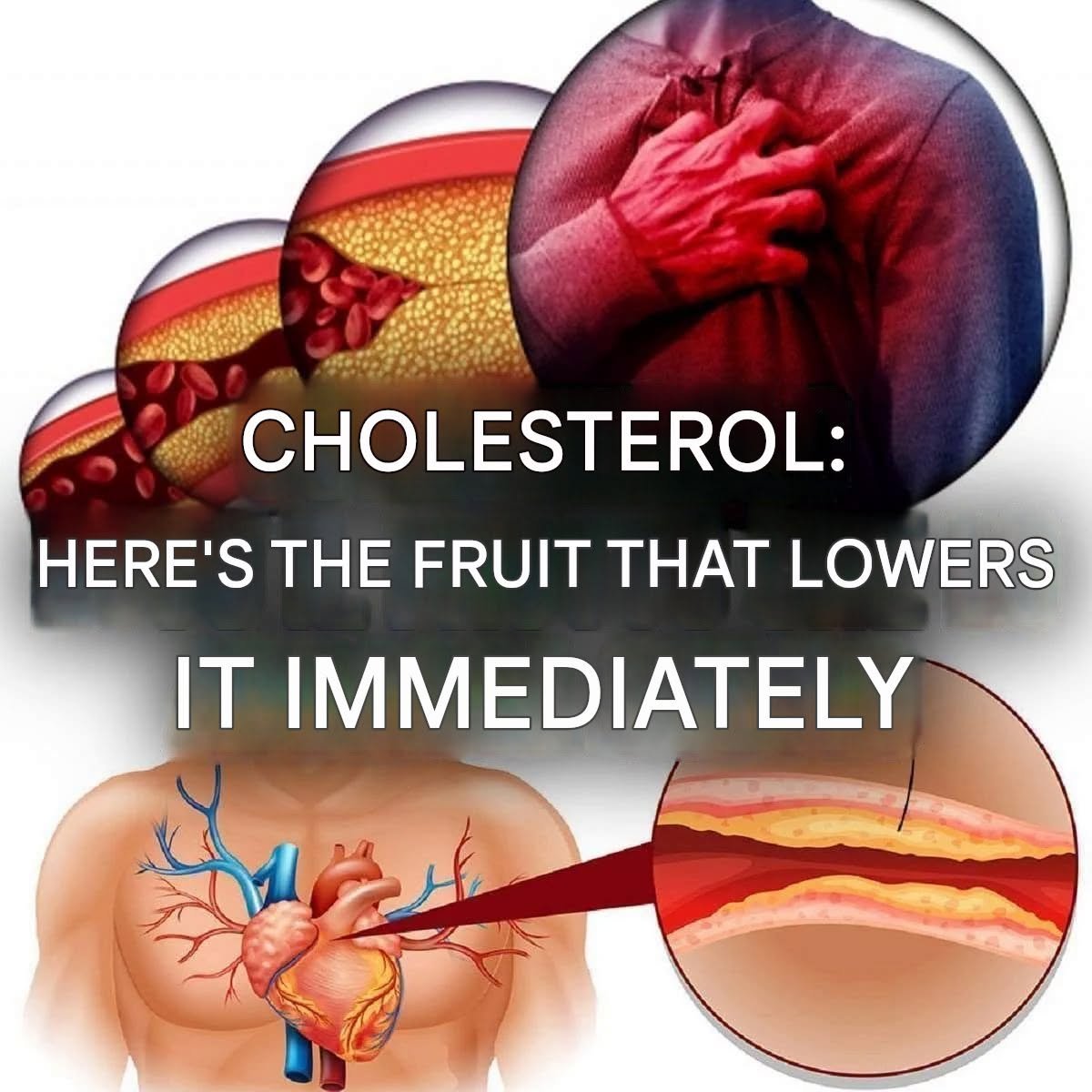
That classic internet slideshow hook—“The fruit with incredible properties: it controls blood pressure, lowers cholesterol and much more! (1 / 2)”—is a staple of the wellness clickbait machine. It takes a completely ordinary, healthy piece of produce (usually whatever fruit happens to be trending that week, like pomegranates, lemons, or avocados) and hyper-ventilates over it as if it were a pharmaceutical-grade chemical weapon against chronic disease.
When you strip away the dramatic “(1 / 2)” page-split and look at clinical nutrition and cardiology, the reality is much simpler: While eating whole fruits is undeniably good for your cardiovascular and metabolic health, no single fruit acts as an instant “controller” of blood pressure or cholesterol on its own.
Here is what is actually happening physiologically when you eat fruit, and why nutritional science doesn’t believe in magic superfoods:
The Reality of Fruit, Blood Pressure, and Cholesterol
-
How Whole Fruit Supports Blood Pressure:
-
The Mechanism: Fruits like bananas, oranges, and berries are rich in potassium and dietary fiber. Potassium is an essential mineral that helps your kidneys manage sodium levels, relaxing the walls of your blood vessels and reducing systemic vascular resistance, which naturally helps moderate blood pressure over time.
-
The Catch: Eating a single apple won’t instantly drop a spike in your blood pressure. Cardiovascular health relies on cumulative dietary patterns—like the DASH (Dietary Approaches to Stop Hypertension) diet—where you consistently consume a wide variety of fiber, potassium, and antioxidants.
-
-
How Fruit Impacts Cholesterol:
-
The Mechanism: Many fruits contain soluble fiber (particularly pectin, found heavily in apples, pears, and citrus). Soluble fiber binds to bile acids in your small intestine, forcing your liver to pull LDL (“bad”) cholesterol out of your bloodstream to make more bile, which modestly helps lower overall lipid levels.
-
The Catch: While fiber helps manage cholesterol margins, eating fruit alone will not reverse severe hypercholesterolemia or clear out advanced arterial plaque. It is a supportive lifestyle tool, not a substitute for medical management when numbers are dangerously high.
-
Why Wellness Sites Love the “Miracle Fruit” Trope
Internet articles love to isolate one specific fruit because it generates easy clicks, but real nutritionists and cardiologists look at the whole matrix of a healthy diet.
-
The Matrix Effect: A fruit doesn’t work in isolation; it delivers its benefits alongside water, vitamins, antioxidants, and a slow-digesting cellular structure that prevents the massive blood sugar spikes you get from drinking fruit juice or eating processed sweets.
-
The “And Much More!” Fallacy: Clickbait loves to claim that a single fruit cures everything from aging skin to joint pain. In reality, while antioxidants reduce general oxidative stress in the body, no single food is a cure-all.
The Clinical Takeaway
You don’t need to hunt down a secret “miracle fruit” or sit through a two-page slideshow to fix your cardiovascular health. Eating a diverse, colorful variety of whole fruits, vegetables, and whole grains as part of an overall balanced lifestyle is a phenomenal way to support your heart, blood vessels, and metabolic system—no clickbait required.
Are you looking to fine-tune your daily nutrition for heart health, or tracking down another piece of sensationalized wellness media?
