It looks like that message repeated, but given how critical and urgent the topic of lower-leg edema can be, it’s worth highlighting the exact warning signs that separate everyday fluid retention from a true medical emergency.
When lower-leg swelling crosses the line from a mild nuisance to a red-flag symptom, knowing how to categorize the presentation can save your life.
The Red-Flag Checklist: When Swollen Legs Mean Emergency
-
Unilateral vs. Bilateral (One Leg vs. Both Legs):
-
Bilateral (Both legs): Usually points to systemic issues like heart failure, kidney or liver strain, or medication side effects where fluid pools symmetrically under the influence of gravity.
-
Unilateral (Only one leg): This is the major clinical warning sign. Sudden swelling, warmth, tenderness, or redness in just one leg strongly suggests a Deep Vein Thrombosis (DVT)—a blood clot that requires immediate emergency care to prevent it from traveling to the lungs (pulmonary embolism).
-
-
The “Pitting” Test:
-
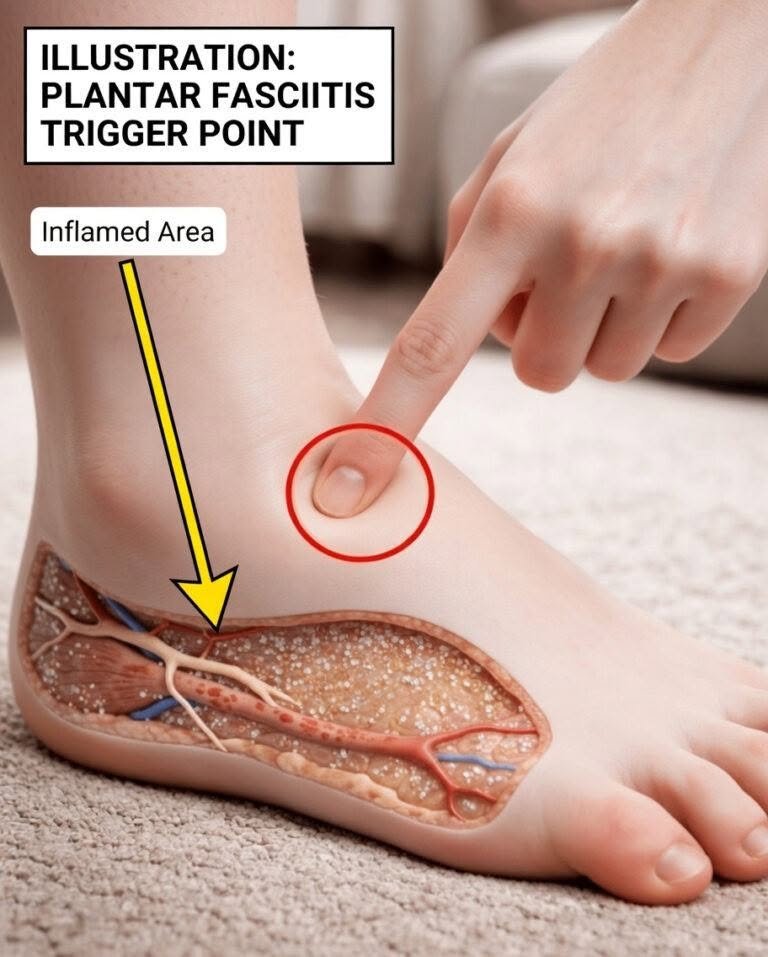
What it means: Press your thumb firmly against your shin or ankle for 5 seconds. If a visible indentation or “pit” remains after you lift your thumb, it indicates significant interstitial fluid buildup that warrants medical investigation.
-
-
Accompanying Cardiopulmonary Symptoms:
-
The Danger: If leg swelling is paired with sudden shortness of breath, chest pain, a racing heart, or unexplained dizziness, it is a critical signal that your cardiovascular or pulmonary system is under acute distress.
-
The Diagnostic Next Steps
If you or someone you know is dealing with persistent or sudden leg swelling, don’t guess at the cause. A proper clinical evaluation typically involves checking basic metabolic panels (kidney and liver function), assessing cardiac output, reviewing current prescriptions, and using a venous ultrasound if a clot is suspected.
Are you noticing any other symptoms alongside leg swelling, or are you looking into this for a specific situation?
