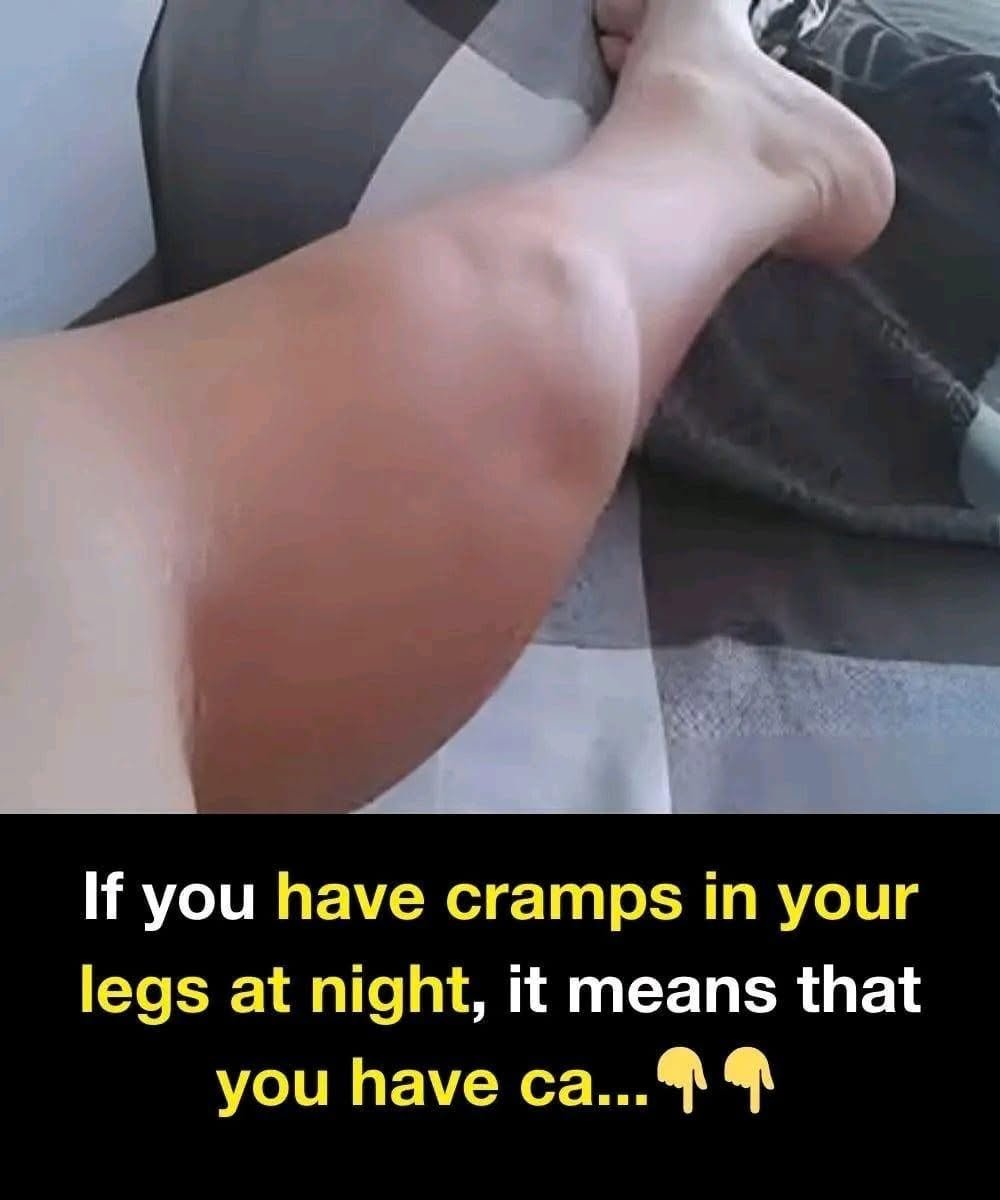
The Physiological Architecture of Nocturnal Leg Cramps
Nocturnal leg cramps—sudden, involuntary, and often excruciating contractions of the skeletal muscles, most frequently targeting the gastrocnemius (calf) or the intrinsic muscles of the foot—represent a complex intersection of neuromuscular excitability, circulatory dynamics, and aging tissue morphology. While sensationalist headlines often frame these nighttime spasms as harbingers of systemic catastrophe, clinical medicine understands them through the precise mechanisms of motor neuron firing rates and tendon-muscle compliance.
High-Risk Populations: Who Experiences Them Most?
While anyone can occasionally experience a midnight spasm, epidemiological and clinical data highlight specific groups with a significantly elevated susceptibility:
-
Older Adults (Presbycusis and Tendon Shortening):Individuals over the age of 50 experience a disproportionate share of nocturnal cramps. This is driven by age-related architectural changes: tendons naturally lose their elasticity and shorten over time, holding muscles in a chronically shortened state while at rest. Concurrently, the peripheral nervous system undergoes cumulative axonal wear, lowering the threshold for spontaneous motor unit discharges.
-
Pregnant Individuals (Third Trimester Demographics):Up to 30% of pregnant women, particularly in the later stages of gestation, report severe night cramps. This heightened risk stems from a combination of altered calcium and magnesium metabolism, increased mechanical load on the lower extremities, and shifts in venous capacitance and systemic fluid dynamics.
-
Athletes and High-Exertion Demographics:Individuals engaging in unaccustomed, intense, or prolonged physical activity frequently experience exercise-associated muscle cramps. Rather than systemic dehydration alone, these are primarily attributed to local neuromuscular fatigue, where the spinal reflex loop loses its inhibitory control over alpha motor neurons, allowing unchecked muscle contraction.
-
Populations with Underlying Metabolic and Vascular Pathology:Chronic conditions can drastically alter muscle environment. Patients with peripheral artery disease (PAD) experience localized tissue ischemia, reducing the oxygen and nutrient supply necessary for proper muscle relaxation. Furthermore, chronic kidney disease, electrolyte shifts, and peripheral neuropathies (such as those associated with type 2 diabetes) directly compromise nerve-muscle communication.
Mechanistic Drivers: Moving Beyond the “Banana” Myth
For decades, popular health culture has propagated the reductionist notion that night cramps are exclusively caused by a potassium deficiency, leading to an over-reliance on dietary fixes like eating bananas. Modern physiological research reveals a far more intricate etiology:
-
The Neuromuscular Control Loop: The predominant scientific consensus points to abnormal spinal reflex activity. When a muscle remains in a shortened, resting position for hours, the central nervous system can experience a failure of the feedback loop between the muscle spindles (which sense stretch) and the Golgi tendon organs (which sense tension). This causes the alpha motor neurons to fire repetitively and uncontrollably, locking the muscle into a spasm.
-
Ischemia and Micro-Circulation: Lying completely horizontal for hours reduces overall blood flow velocity to the lower limbs. When combined with localized vessel stiffness or mild fluid shifts, transient micro-ischemia can irritate the motor nerve terminals embedded within the muscle tissue, triggering a sudden contraction.
Clinical Management and Evidence-Based Prevention
Managing nocturnal leg cramps requires targeted interventions focused on tissue compliance and neurological stability rather than quick-fix supplements:
-
Targeted Mechanical Stretching: Implementing a regular, daily routine of static calf and foot stretching—specifically holding a wall stretch or a towel pull for 30 seconds before bed—gradually remodels tendon length and reduces resting muscle tension.
-
Passive Spasm Resolution: When an acute cramp strikes at night, aggressive deep-tissue massage can actually cause the traumatized muscle fibers to contract further. The clinically recommended approach is immediate, gentle passive dorsiflexion—pulling the toes upward toward the shin while keeping the knee straight—to mechanically lengthen the gastrocnemius and break the neurological feedback loop causing the spasm.
-
Hydration and Movement Consistency: Maintaining stable daily hydration and avoiding prolonged periods of static, immobile sitting helps support baseline neuromuscular health and venous return.
